
Most travelers chasing desert romance book Marrakech, spend a night or two in the Sahara near Merzouga, and call it done. Tunisia barely registers as an alternative – and that gap in attention is exactly what makes the Djerid region worth knowing about now. Spread across the country’s deep southwest, the Chott el-Djerid salt lake and the oasis towns clustered around it offer a Saharan experience that is slower, stranger, and considerably less rehearsed than anything Morocco’s tourist infrastructure tends to deliver.
The Djerid’s main oasis towns – Tozeur, Nefta, and Douz – sit at the northern edge of the Grand Erg Oriental, the vast sea of dunes that sweeps into Algeria and Libya. Tozeur in particular carries an architectural identity unlike anywhere else in North Africa: its old medina is built entirely from pale yellow brick laid in geometric lattice patterns, a technique specific to this region and immediately recognizable from the honey-colored facades rising along narrow streets. The effect is quieter and more intricate than Marrakech’s famous riads, less theatrical but somehow more personal.
Tunisia gets far fewer international visitors than Morocco, which means the infrastructure is thinner but the interactions are not.
Salt Flats, Dunes, and the Architecture of Solitude
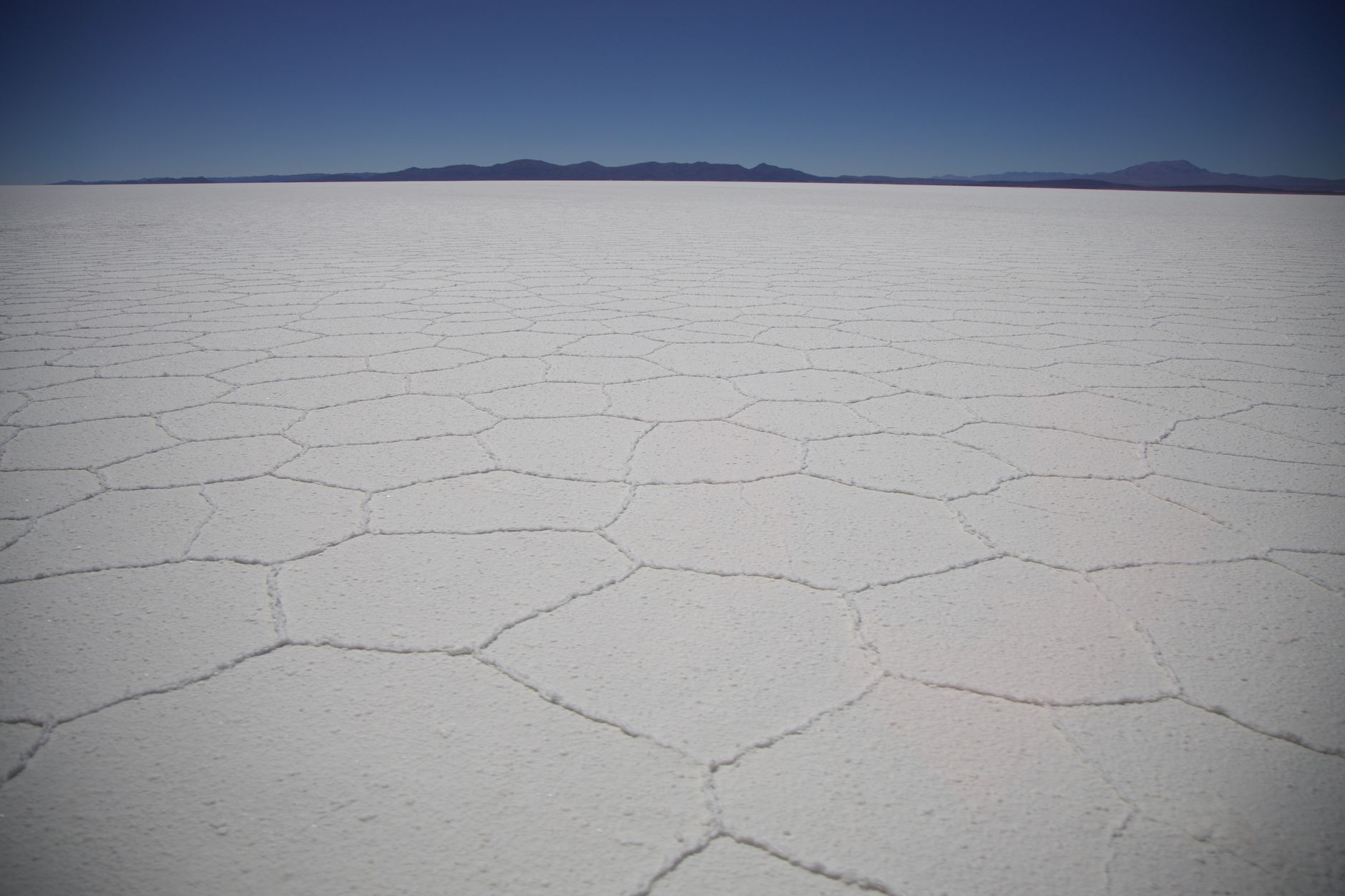
Chott el-Djerid is the largest salt lake in the Sahara, stretching roughly 250 kilometers from east to west. For most of the year it is bone dry, a white and blinding expanse of salt crust interrupted by mirage pools that hover just above the surface in the midday heat. A causeway bisects it, and driving across is one of those genuinely disorienting travel experiences – flat and featureless in every direction, with the horizon dissolving into shimmer. Star Wars location scouts found it useful for a reason.
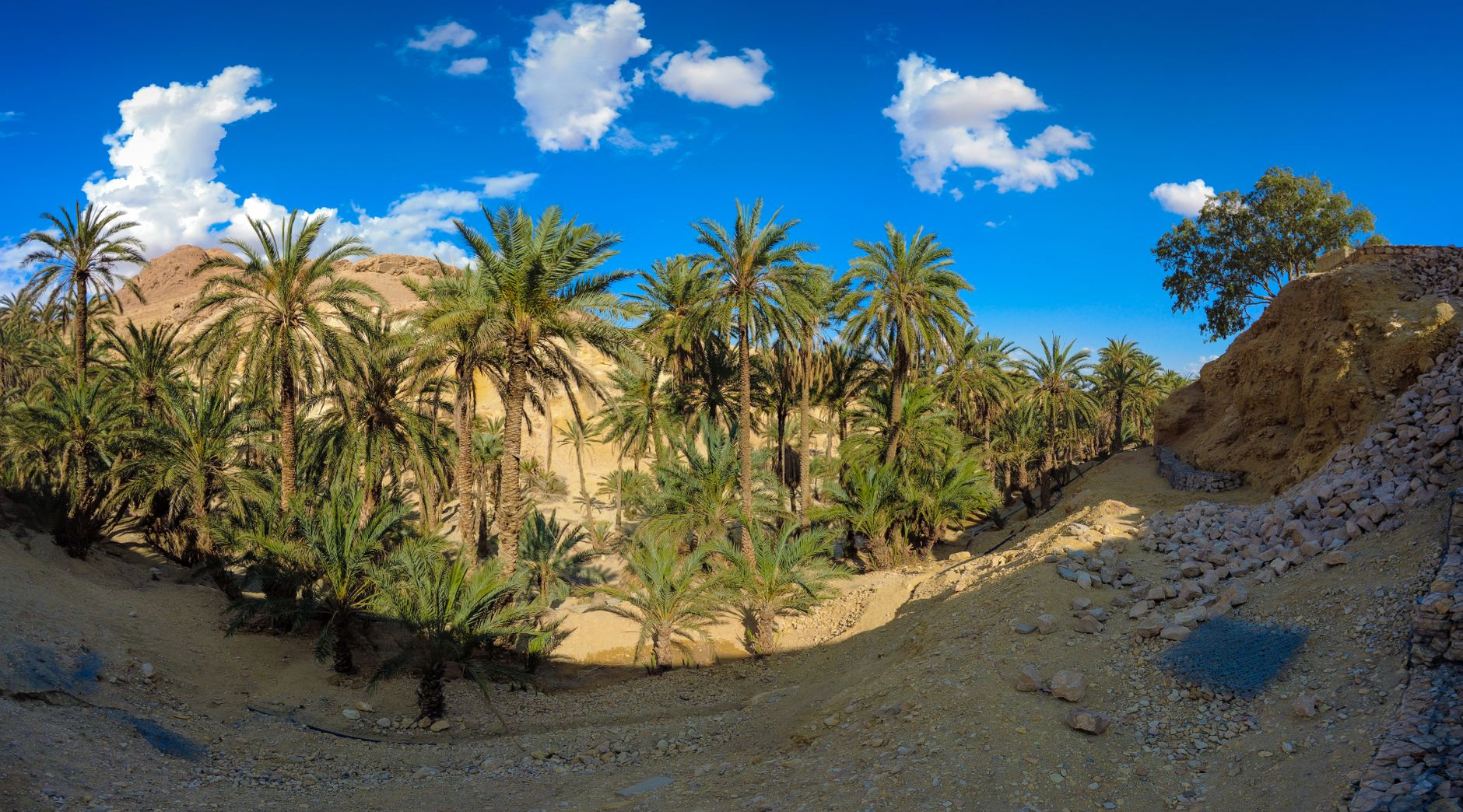
Around the edges of the salt flats, the oases begin. These are not the postcard palm-tree-and-well images of popular imagination but dense, layered agricultural systems where date palms shade fig and pomegranate trees, which in turn shelter lower-growing crops from the sun. The Djerid produces some of North Africa’s finest deglet nour dates, and during harvest season in October and November the towns fill with the scent of the fruit drying on rooftop terraces. Walking the irrigation channels that thread through these gardens – locally called seguias – is a way of understanding how genuinely tenuous life in this landscape is, how much effort has been redirected to make the soil yield anything at all.
Nefta, a short drive from Tozeur, is smaller and less visited. It sits on the rim of a natural depression called the Corbeille, a bowl-shaped oasis valley of extraordinary density, with date palms growing so thickly that the canopy below looks impenetrable from the edge. Sufi traditions run deep here – the town has historically been a center of religious learning, and there is a quality of stillness in the older quarters that is different from the meditative quiet you find in, say, a renovated riad in Essaouira. It is less curated and more residual.
Getting There, Getting Around, and Getting It Right
Tunisia’s main international gateway is Tunis-Carthage Airport, with connections from several European cities. From Tunis, Tozeur is reachable by a domestic flight on Tunisair Express or by an overland journey of around five to six hours by car or bus through the Tunisian interior. The drive itself is worthwhile – the landscape transitions from coastal green to steppe to something approaching lunar as you move south, and the towns along the route have their own character. Gafsa, roughly halfway, has Roman baths worth a stop.
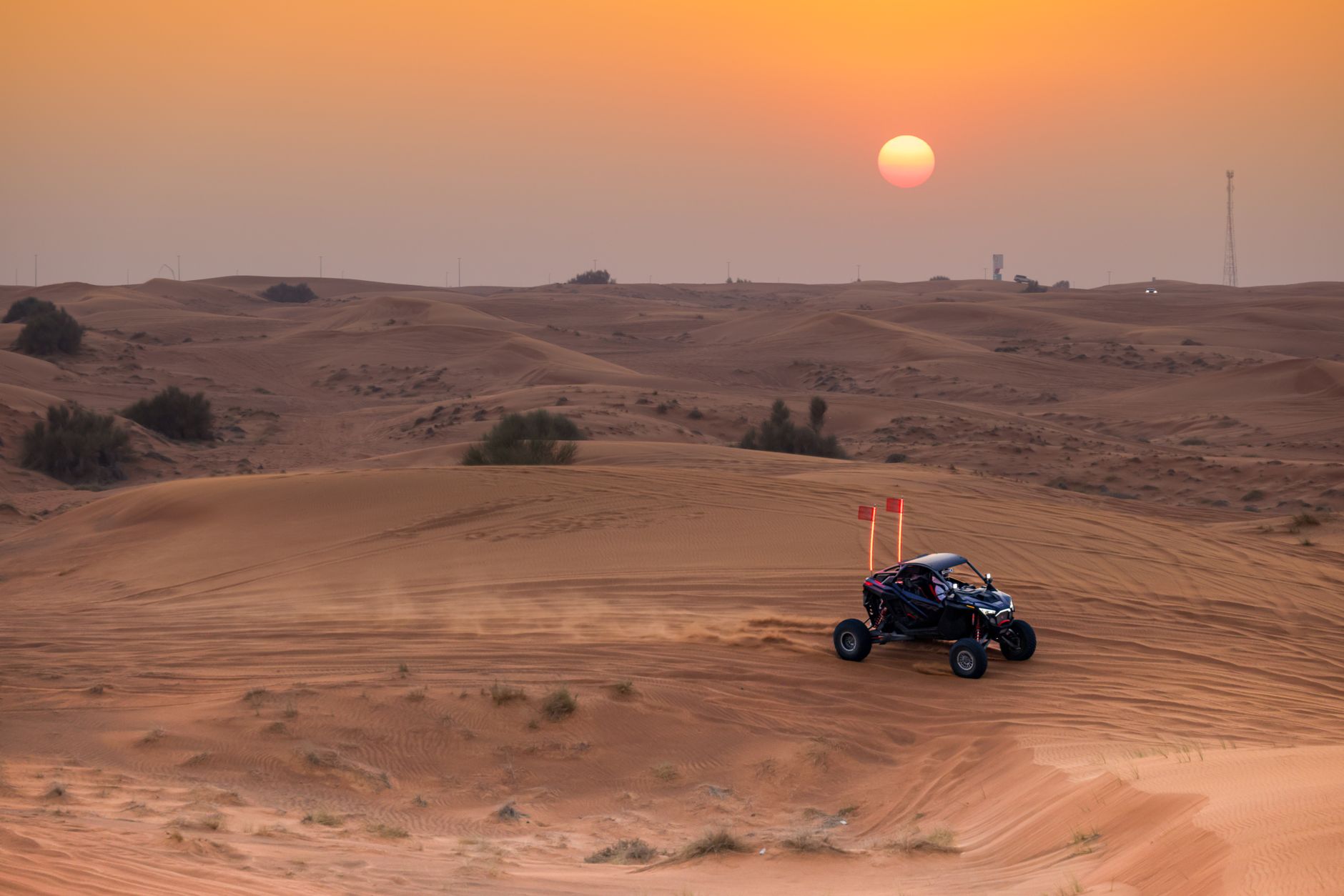
Within the Djerid, a rental car or hired driver makes the most sense. Distances between oasis towns are manageable but not walkable, and the salt lake crossing really does require a vehicle. Local guides based in Tozeur offer half-day and full-day excursions into the dunes near Douz, which is considered the gateway to the Grand Erg Oriental. Camel treks and 4×4 desert excursions operate out of Douz much as they do from Merzouga in Morocco, but with smaller group sizes and considerably less organized competition for bookings.
Accommodation ranges from budget guesthouses to a handful of design-conscious hotels that have leaned into the regional brick aesthetic without tipping into theme-park territory. Some smaller maisons d’hotes in Tozeur’s medina offer rooms built directly into the old brick structures, which keep remarkably cool during the day. Travelers arriving in summer should know that temperatures regularly exceed 40 degrees Celsius – the region is most comfortable from October through March, with January and February offering cool nights and clear skies that make stargazing exceptional.
Why This Moment Matters for the Djerid
A growing number of independent travelers – particularly those coming from European cities with direct Tunis connections – are treating Tunisia’s south as a standalone trip rather than an add-on to a broader North Africa itinerary. The country’s relatively straightforward visa situation for many passport holders, combined with a favorable exchange rate, makes it accessible in a practical sense. What keeps it from feeling overrun is partly the lack of major international hotel brands and partly the absence of the well-worn tour group circuits that define Marrakech’s Jemaa el-Fna at peak season. For travelers drawn to landscapes where the infrastructure hasn’t fully caught up with the scenery, that gap is the whole point.
The date harvest in October is probably the single best reason to time a visit deliberately. Markets in Tozeur during that period stock varieties rarely exported – soft, almost translucent deglet beida dates alongside the more familiar deglet nour – and the agricultural activity in the oases gives the towns a working energy that the off-season doesn’t quite replicate.
Marrakech will always have the infrastructure, the flights, the range of restaurants, and the brand recognition. The Djerid has the salt lake, the lattice brickwork, the Sufi silences of Nefta, and the particular quality of light over white crust at midday – and right now, almost no one waiting in line to see it.