Papua New Guinea’s Sepik River Quietly Rivals Borneo for Tribal Wanderers

The River That Tourism Forgot
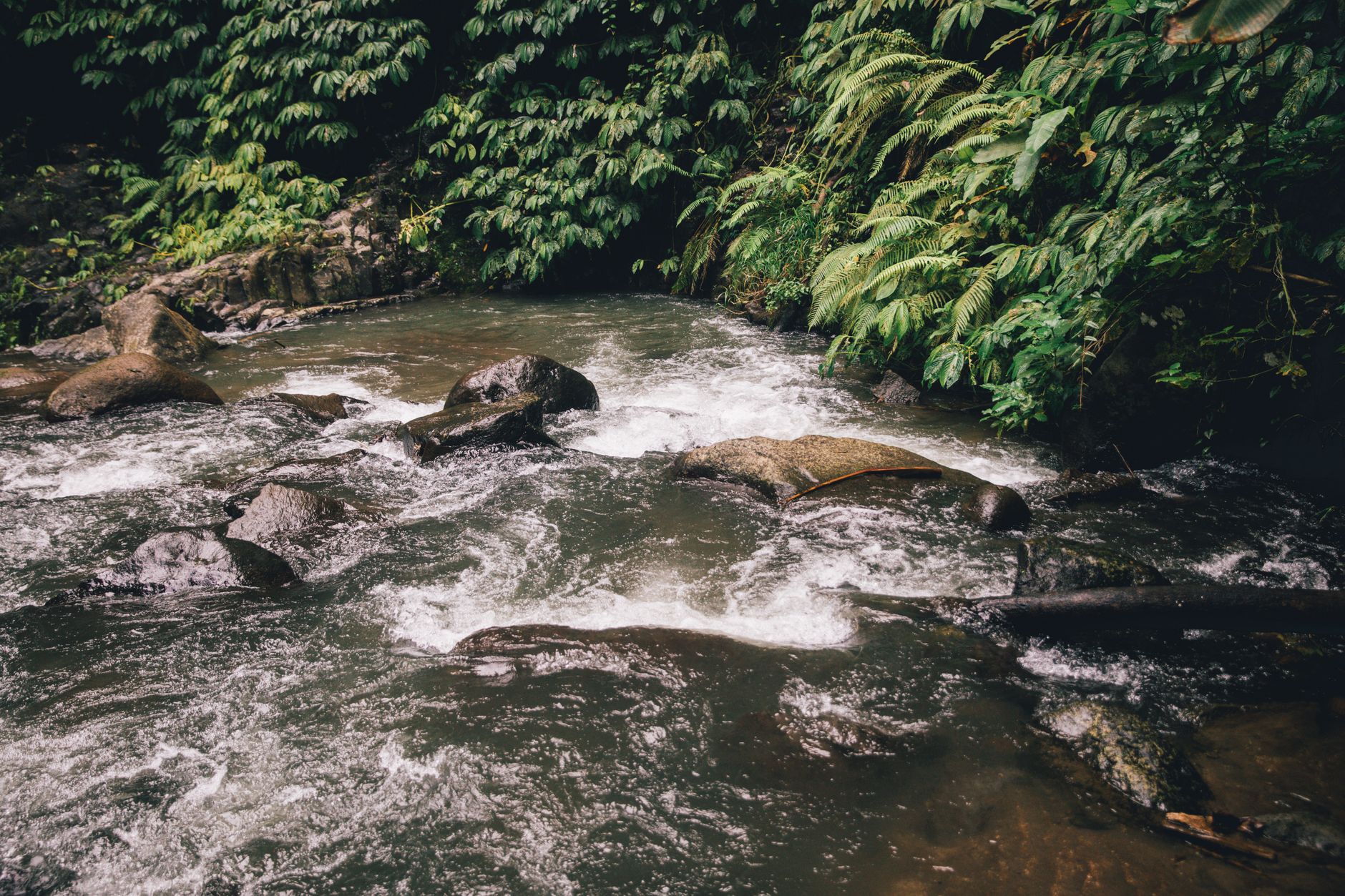
The Sepik River cuts through the lowland rainforests of Papua New Guinea like a slow, brown artery – over 1,100 kilometers of waterway threading through one of the least-visited cultural landscapes on earth. While Borneo has spent decades absorbing adventure tourism infrastructure, boutique lodges, and organized daytrips to Iban longhouses, the Sepik has remained stubbornly off the itinerary for most travelers, not because it lacks anything, but because reaching it demands genuine commitment. That friction is exactly what makes it extraordinary.
A growing number of tribal tourism specialists and serious cultural travelers are quietly redirecting their attention from Borneo’s more polished circuits toward Papua New Guinea’s interior waterways. The Sepik offers something increasingly difficult to find in Southeast Asia: ceremonial life that has not been staged for an audience, art traditions that predate colonial contact, and communities that receive visitors on their own terms rather than through a resort’s guided program.
Getting There Without a Safety Net
Access to the Sepik begins in Wewak, a coastal town in East Sepik Province reachable by domestic flights from Port Moresby. From Wewak, travelers typically arrange river transport – often a combination of PMV (public motor vehicle) to the riverbank, then motorized canoe or slow boat into the interior. There is no single organized gateway, no ticketed entry point, and no standardized tour corridor. This is not a place where you book a package and follow a laminated map. You arrange logistics through local fixers, guesthouses, and in some cases, village leaders directly, which means the experience varies enormously depending on who you find and how much time you allow.
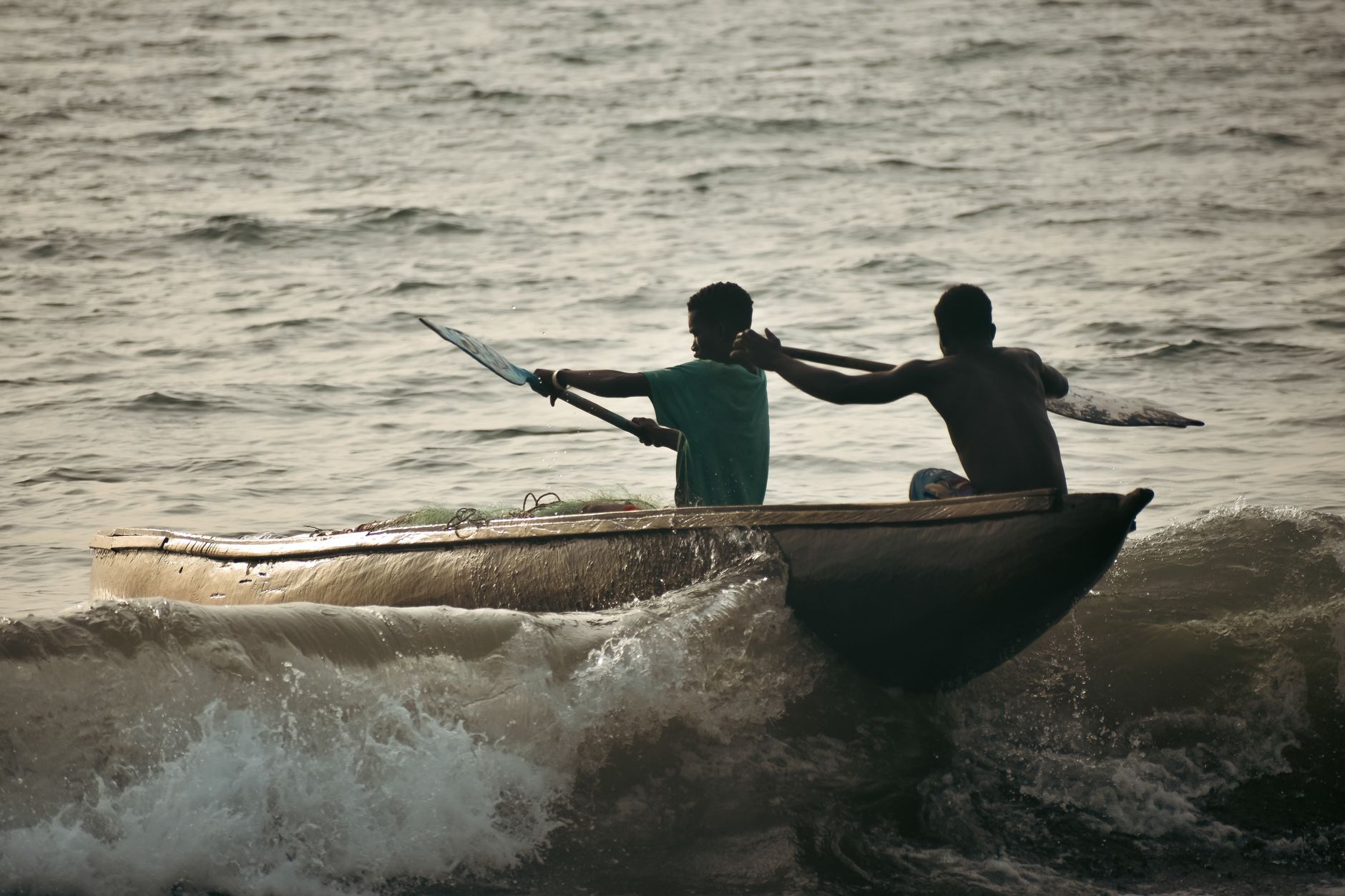
The Sepik’s geography works differently from Borneo’s river systems. Villages are not clustered near road access or tourist hubs – they are genuinely riverine communities that rely on the water for transport, food, and trade. Dugout canoes remain the primary vessel. Staying in villages typically means sleeping in a basic guesthouse structure or, with the right introduction, in a family home. Electricity is intermittent or absent. The pace is determined by the river, not by a schedule, and travelers who resist that reality tend to leave frustrated.
The Haus Tambaran and the Art That Defines a Culture
The central architectural and spiritual institution of Sepik communities is the haus tambaran – the spirit house – and it is the single most compelling reason cultural travelers keep returning to this region. These structures, some rising over 20 meters, are built by men’s societies and serve as repositories of clan knowledge, ancestral power, and ceremonial practice. Entry for outsiders is often restricted, and what is visible from the exterior alone – carved facades, totemic figures, woven decorative elements – represents a visual vocabulary that has influenced artists and anthropologists for well over a century.
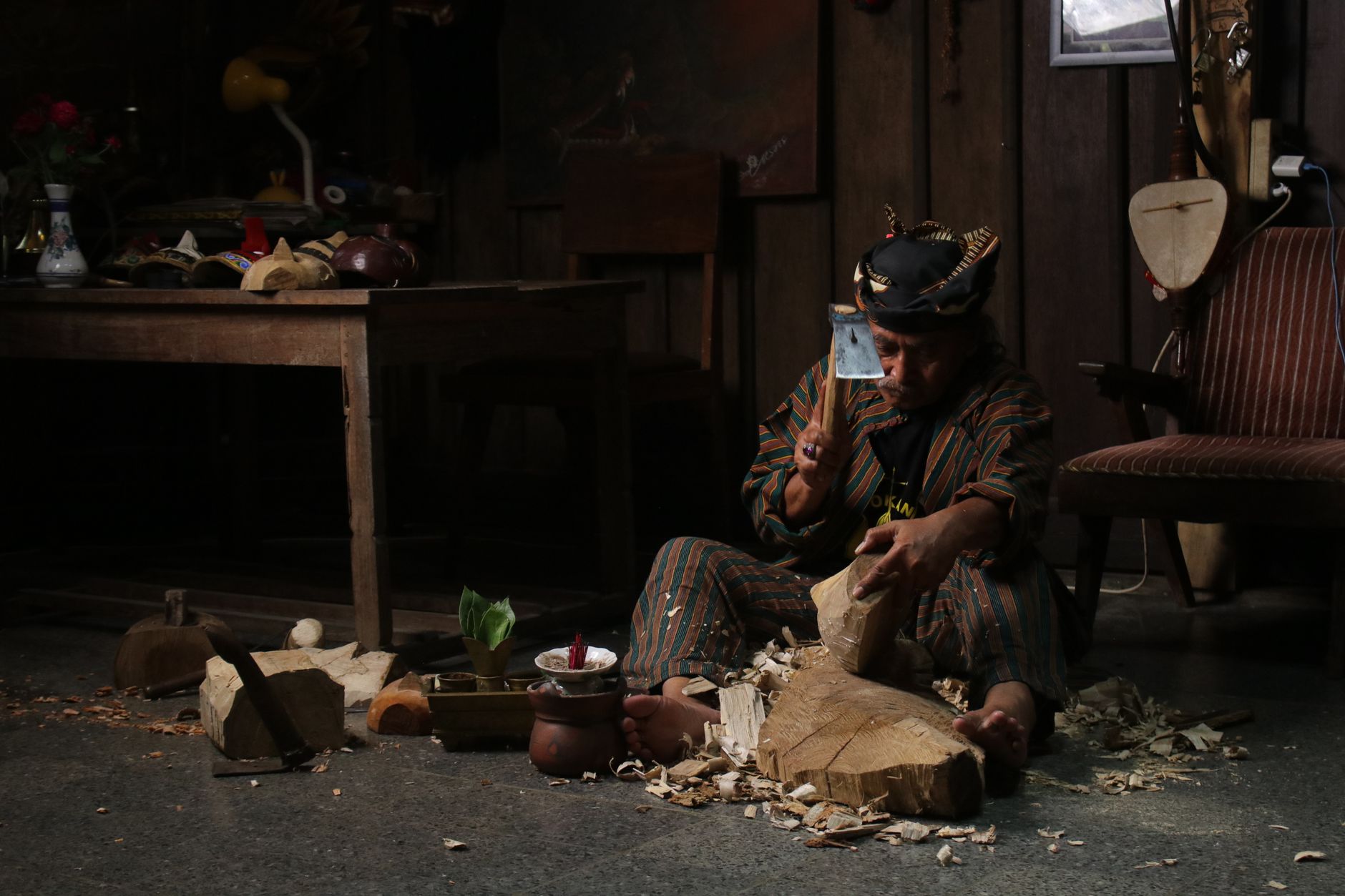
Sepik woodcarving is not craft-market production. The masks, hooks, bowls, and figurines made here carry specific spiritual function within their communities, and the best examples are not designed for export. Travelers who spend time in villages rather than passing through on day excursions occasionally witness carving in progress and can purchase pieces directly from the artists – at prices and with stories that no gallery in Sydney or New York can replicate. The region’s artistic output famously caught the attention of the global art world decades ago, but the source communities have never been transformed into a museum exhibit.
Initiation practices along the Sepik, particularly scarification ceremonies among certain groups, represent a dimension of cultural life that has no equivalent in Borneo’s tourist circuit. These ceremonies are not performed for visitors – they operate on their own calendar and serve the community’s internal social structure. Serious travelers occasionally witness them incidentally, through timing and village relationships rather than booking. This unpredictability is a feature, not a flaw, because it means the Sepik’s cultural life continues to exist for its own reasons rather than for the tourism industry’s needs.
For travelers who have already followed Ethiopia’s Omo Valley tribal circuit, the Sepik will feel structurally familiar – a river corridor organizing distinct ethnic communities, each with its own visual language and ceremonial calendar, accessible only through patience and local trust. The comparison holds in another way too: both regions are seeing incremental outside interest from the kind of traveler who treats cultural access as something earned through presence rather than purchased through a tour operator.
How the Sepik Compares to Borneo’s Circuit
Borneo’s tribal tourism, centered largely on Sarawak’s Iban longhouses and the interior routes of Kalimantan, has the advantage of infrastructure. Travelers can book organized longhouse stays through established operators in Kuching, travel on paved roads for much of the journey, and access clean accommodation with reliable communication back to the outside world. This is not a criticism – it reflects decades of deliberate investment, and the cultural experiences available in Sarawak remain genuinely worthwhile. But infrastructure changes the encounter. When a longhouse has been receiving organized tours for 20 years, the ceremony, the welcome, and even the meal carry a layer of performance that is hard to avoid.
The Sepik does not have that layer yet. Village encounters feel unscripted because they are – your arrival by canoe may genuinely surprise people, your presence may require explanation, and the hospitality you receive is given because it is the community’s way, not because a tour operator has pre-arranged it. That rawness is uncomfortable for some travelers and electric for others. The physical demands are real: heat, humidity, insects, variable food, long hours on the water, and the psychological weight of genuine remoteness. Papua New Guinea carries safety considerations that Borneo does not, and independent travel in remote areas requires current local knowledge and ideally a trusted local guide or contact established well before departure.
What the Sepik offers that Borneo’s circuit cannot replicate at this stage is proportionality – the ratio of depth of experience to number of other travelers sharing it. On popular longhouse routes in Sarawak during peak season, you may encounter dozens of other tour groups in a single day. On the Sepik, a week can pass without seeing another foreign traveler. That solitude is not romanticized emptiness; the river is dense with community life, trade, and activity. You are simply not competing with other outsiders for access to it.
The practical question for any traveler weighing the two destinations is not which is more authentic – that framing leads nowhere useful – but what kind of encounter you are prepared to navigate. Borneo gives you cultural access with the friction removed. The Sepik gives you cultural access with most of the friction intact, which means the moments of genuine connection cost something. Whether that cost feels worthwhile depends entirely on how much you are willing to surrender control of your itinerary to a river that answers to no one.