Bolivia’s Sajama National Park Quietly Rivals Uyuni for Volcano Wanderers

The Volcano Next Door Nobody Books
Bolivia’s salt flats have absorbed most of the country’s tourist spotlight for years. Uyuni is the name travelers memorize, the image they screenshot, the destination they plan months in advance. But roughly 270 kilometers to the northwest, on the border with Chile, a national park built around one of the highest volcanoes in the Western Hemisphere sits largely unvisited. Sajama National Park does not have a hashtag problem. It has an awareness problem.
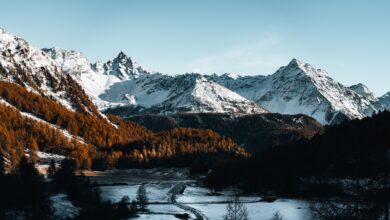
Sajama covers more than 100,000 hectares of altiplano wilderness, anchored by Nevado Sajama, a stratovolcano that reaches 6,542 meters above sea level. The park is Bolivia’s oldest protected area, established in 1939, and it holds a landscape that makes Uyuni look almost gentle by comparison. Hot springs steam beside frozen rivers. Flamingos feed in shallow lagoons at altitude. The air is thin enough at the park’s base elevation – around 4,200 meters – that a short walk to fetch water becomes something you plan for.
The people who do come here tend to come back.
What the Landscape Actually Looks Like
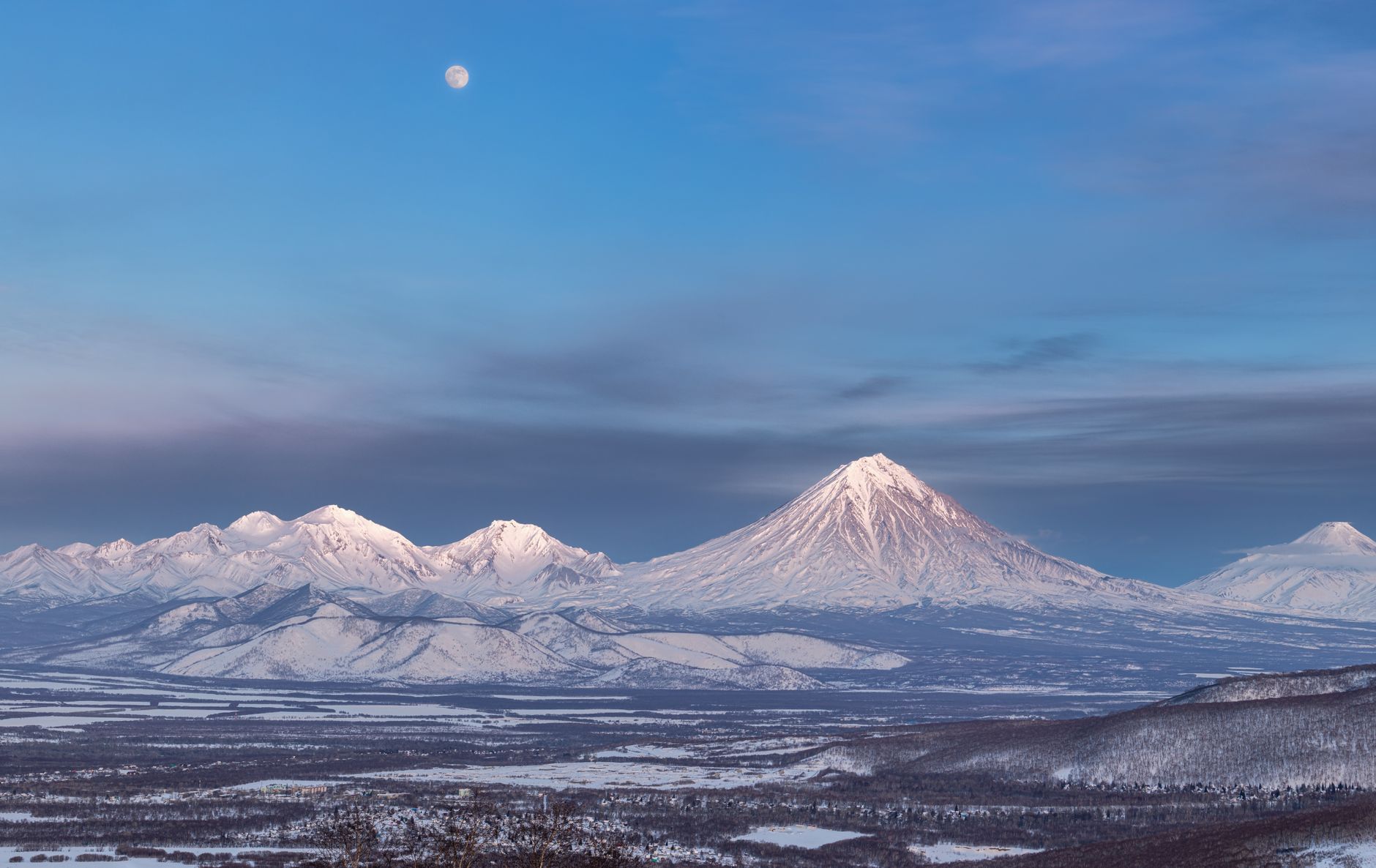
Sajama’s terrain does not settle into any single dramatic image the way the salt flats do. It moves through registers. The approach from the town of Patacamaya on the highway toward the Chilean border is mostly flat scrubland, the kind that makes first-time visitors nervous they have taken a wrong turn. Then the volcanic cone of Sajama appears on the horizon, massive and snow-capped, and the doubt dissolves immediately.
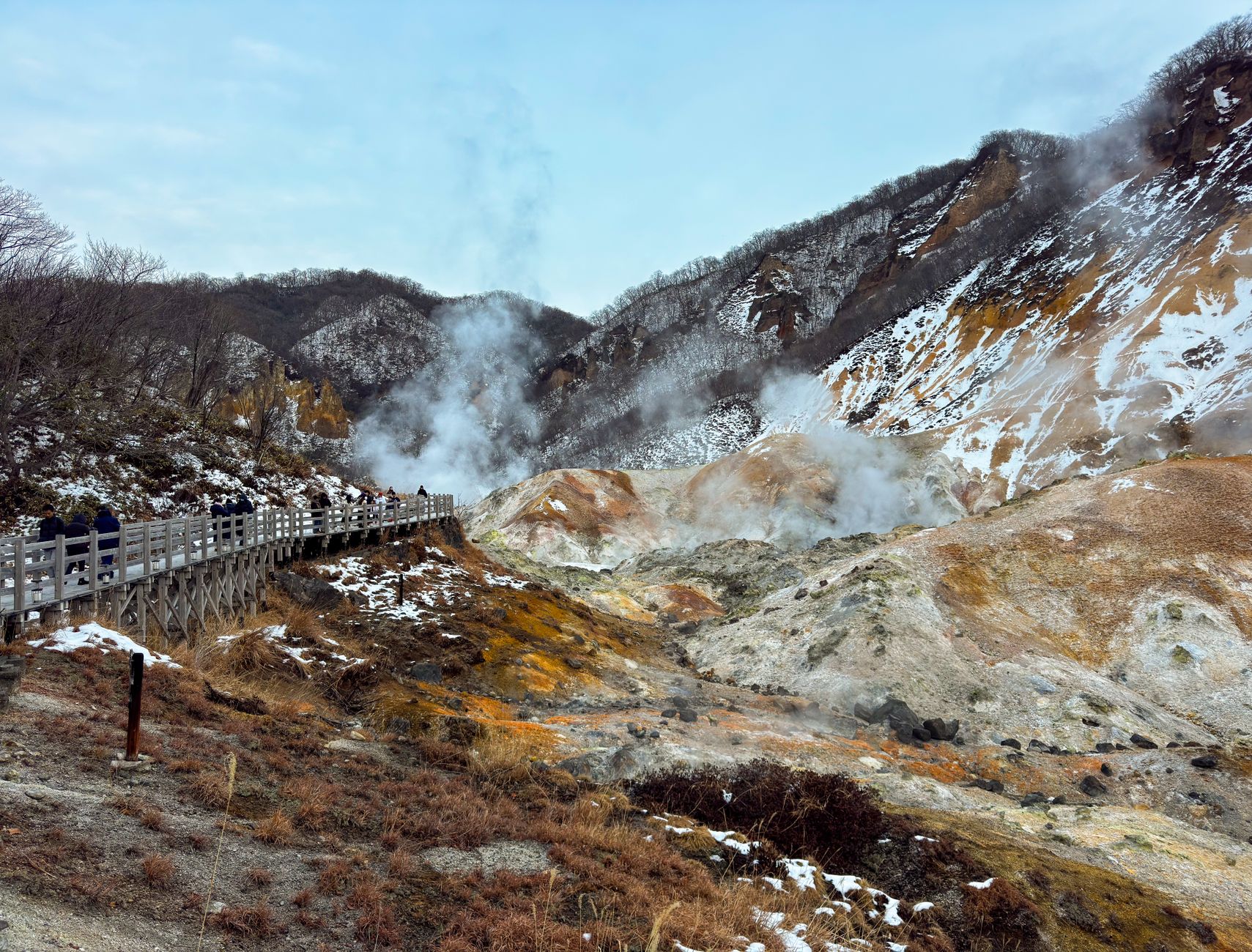
Inside the park, the ground shifts between llareta – a dense, ancient cushion plant that looks like green foam poured over the rocks – and vast fields of ichu grass that bend in unison with the wind. The quebradas, or dry ravines, cut through the terrain unexpectedly. Thermal springs pool at several points, warm enough to soak in against the cold, and the social ritual around them among local Aymara communities is as much a part of the experience as the geology. On clear mornings, the volcano catches the first light at an angle that turns the summit glacier a pale orange before the rest of the landscape has fully woken up.
Two other major volcanoes, Parinacota and Pomerape, sit just across the Chilean border and are visible from inside the park on most days. The visual relationship between the three peaks defines Sajama’s skyline in a way that single-summit parks cannot match. Standing at the base of Sajama looking southwest, with Parinacota and Pomerape framing the distance, is the kind of view that only exists in this corner of South America.
How to Actually Get There and What to Expect
Logistics at Sajama are honest rather than polished. The nearest town is also called Sajama, a small Aymara village where most accommodation runs through community tourism programs – basic rooms in family-run hostels, meals built around quinoa and llama meat, and guides who have been navigating the park their entire lives. There is no resort infrastructure, no shuttle service from La Paz with a guaranteed Wi-Fi code. What exists works, but it asks visitors to slow down and accept some uncertainty.
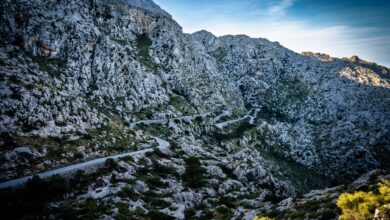
Getting to Sajama from La Paz takes roughly four to five hours by road, following the main highway toward Tambo Quemado, the border crossing with Chile. Shared minibuses run the route, though departure times are loose and the road, while mostly paved, has sections that deteriorate quickly depending on the season. Some travelers drive in their own 4×4, which gives flexibility to stop at the geothermal fields near the park entrance and explore access tracks that public transport skips entirely. Altitude sickness is a real logistical factor. La Paz itself sits above 3,600 meters, and the park adds another 600 meters on top of that, so spending at least two nights in La Paz before heading to Sajama is the standard recommendation, not optional preamble.
Climbing Nevado Sajama’s summit is technically possible and requires a guide, acclimatization, and proper mountaineering gear. Most visitors do not attempt it. The hiking at lower elevations – around the thermal baths, along the llareta fields, up to viewpoints overlooking the tri-border volcanic zone – is enough to fill three or four days without any summit ambition at all. The park entry fee is modest, and revenue feeds directly into the Aymara community managing conservation on the ground.
Why Uyuni Still Wins the Booking War
Uyuni’s advantages are structural, not just photogenic. It has a full network of tour operators in the nearby town, standardized multi-day jeep tours, hostel beds at every price point, and English-speaking guides available on short notice. Travelers with limited time and lower tolerance for logistical uncertainty will continue to choose it, and that choice is not wrong. Uyuni delivers on what it promises with reliable efficiency.
Sajama cannot match that infrastructure, and the community managing it has not tried to scale it that way. The size of the visitor numbers at Sajama is, from a conservation standpoint, part of what keeps the landscape intact. Heavy foot traffic at high altitude in fragile ecosystems causes damage that takes decades to repair, and the llareta fields in particular are almost comically vulnerable – some individual plants are estimated to be thousands of years old, and they look like something you could sit on without thinking twice.
Salt lake explorers who have already done Uyuni tend to find Sajama a natural next chapter rather than a competition. The two places answer different questions. Uyuni asks what the earth looks like when water evaporates across infinity. Sajama asks what it feels like to stand in the shadow of something that could still erupt.
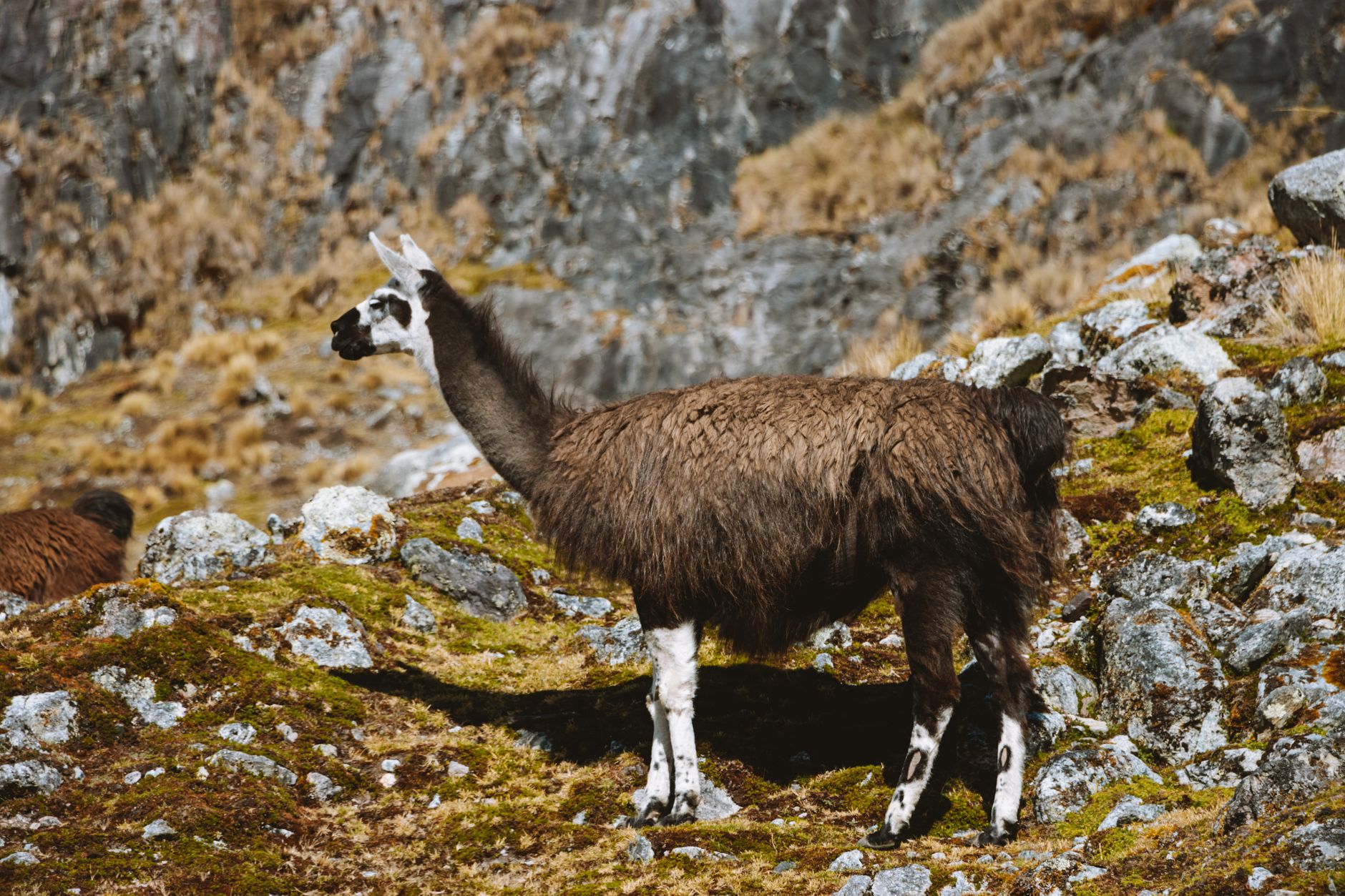
The town of Sajama has fewer than 200 permanent residents, most of them Aymara families whose land use rights and tourism management authority over the park predate most of Bolivia’s modern conservation frameworks. The hot springs adjacent to the village are communally owned and maintained. When you pay to soak in them at dusk with Nevado Sajama’s silhouette overhead and a herd of llamas passing twenty meters away on their way back from grazing, the money stays in that village. That is not a marketing claim – it is just how the system is structured, and it is why the whole thing still works the way it does.