
The Valley That Skiers Keep to Themselves
Hunza gets the Instagram posts, the travel magazine covers, and the bucket-list crowds. Naltar Valley, tucked about 40 kilometers south of Gilgit in Pakistan’s Gilgit-Baltistan region, gets the actual snow. While Hunza draws visitors with its dramatic apricot-blossom scenery and ancient fortresses, Naltar has been quietly building a reputation among a smaller, more obsessive group – the ones who come for the mountain itself, not the photograph of it.
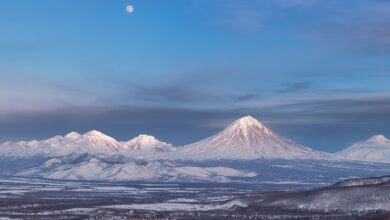
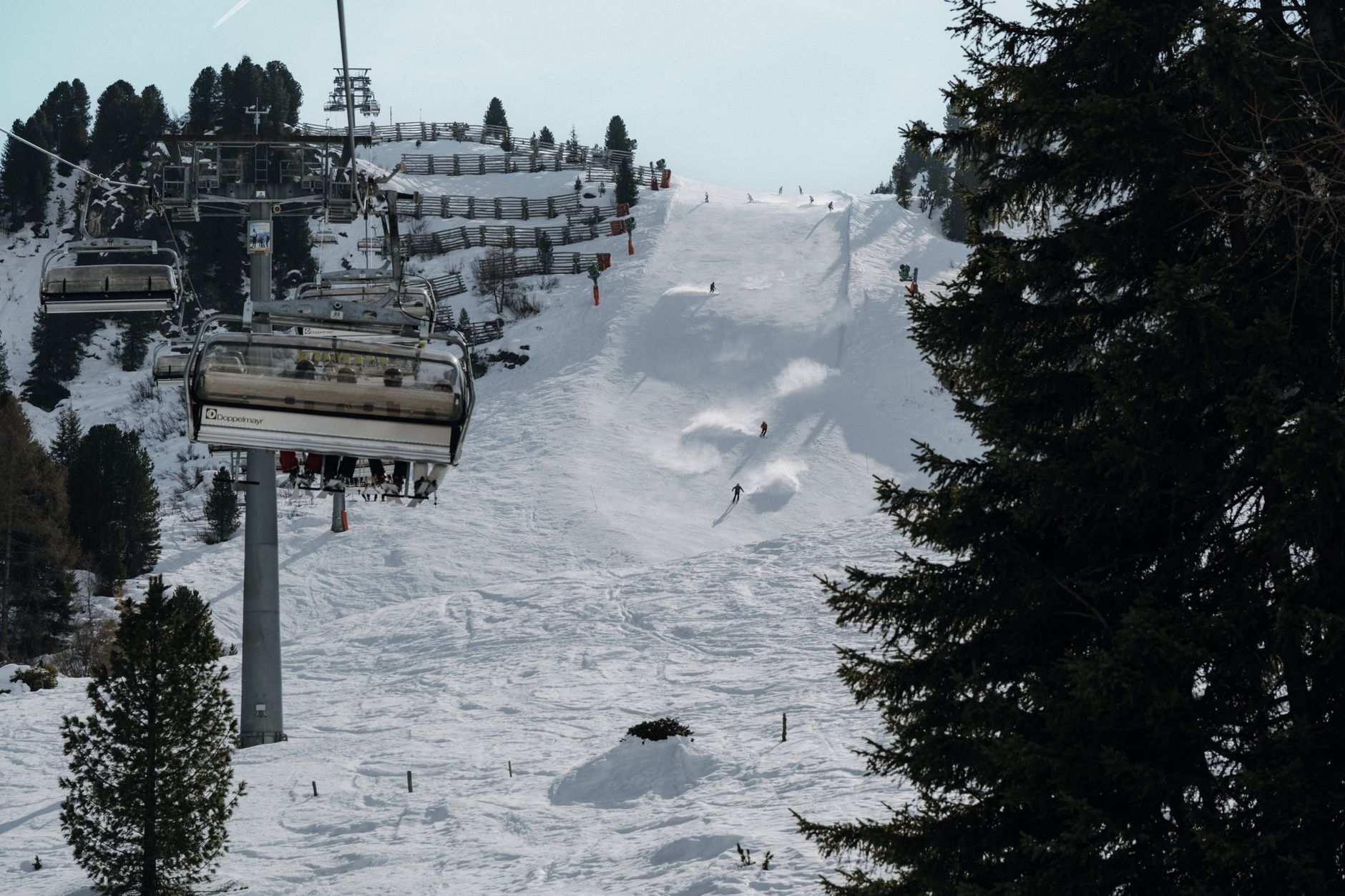
Naltar sits at roughly 2,900 meters at its base, climbing to ski terrain above 3,500 meters, and receives heavy, reliable snowfall through the winter months from December through March. The Pakistan Air Force operates a small ski resort here, with basic lifts and a lodge, making it the only facility of its kind in the country with any infrastructure at all. It is not Zermatt. It is not even close.
That is exactly why people are starting to pay attention.
What Naltar Actually Offers a Skier
The terrain at Naltar covers a range of runs suited to intermediate and advanced skiers, with wide open bowls above the treeline and narrower wooded runs dropping toward the valley floor. The snow quality, particularly from late December through February, is consistently dry and light – a function of the region’s cold, high-altitude air and its distance from the moisture-heavy weather patterns that make Himalayan snow heavier and wetter at lower elevations. Anyone who has skied the Karakoram range will recognize the particular quality of that cold: it bites, and the snow holds it.
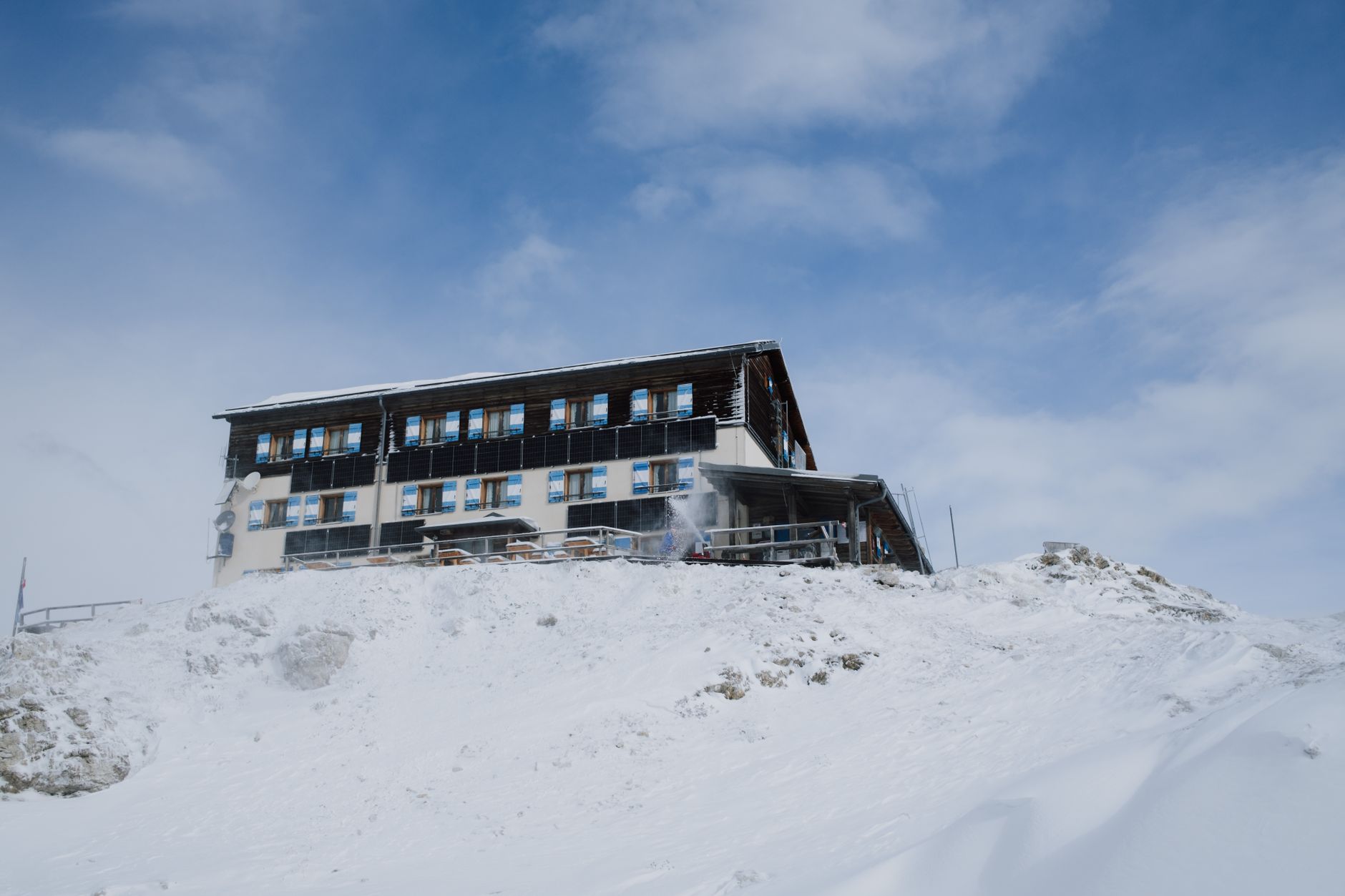
The resort infrastructure is deliberately spare. There are two or three functioning lifts depending on the season, a small hotel operated by the Pakistan Air Force, and very little else in terms of apres-ski amenities. Food is available, accommodation is functional, and guides can be arranged through local contacts or through specialist tour operators based in Gilgit. For travelers who want a groomed run, a heated locker room, and a fondue restaurant waiting at the base, Naltar is the wrong choice. For travelers who want 3,500 meters of elevation, uncrowded slopes, and a landscape that most skiers alive have never seen, it becomes considerably more interesting.
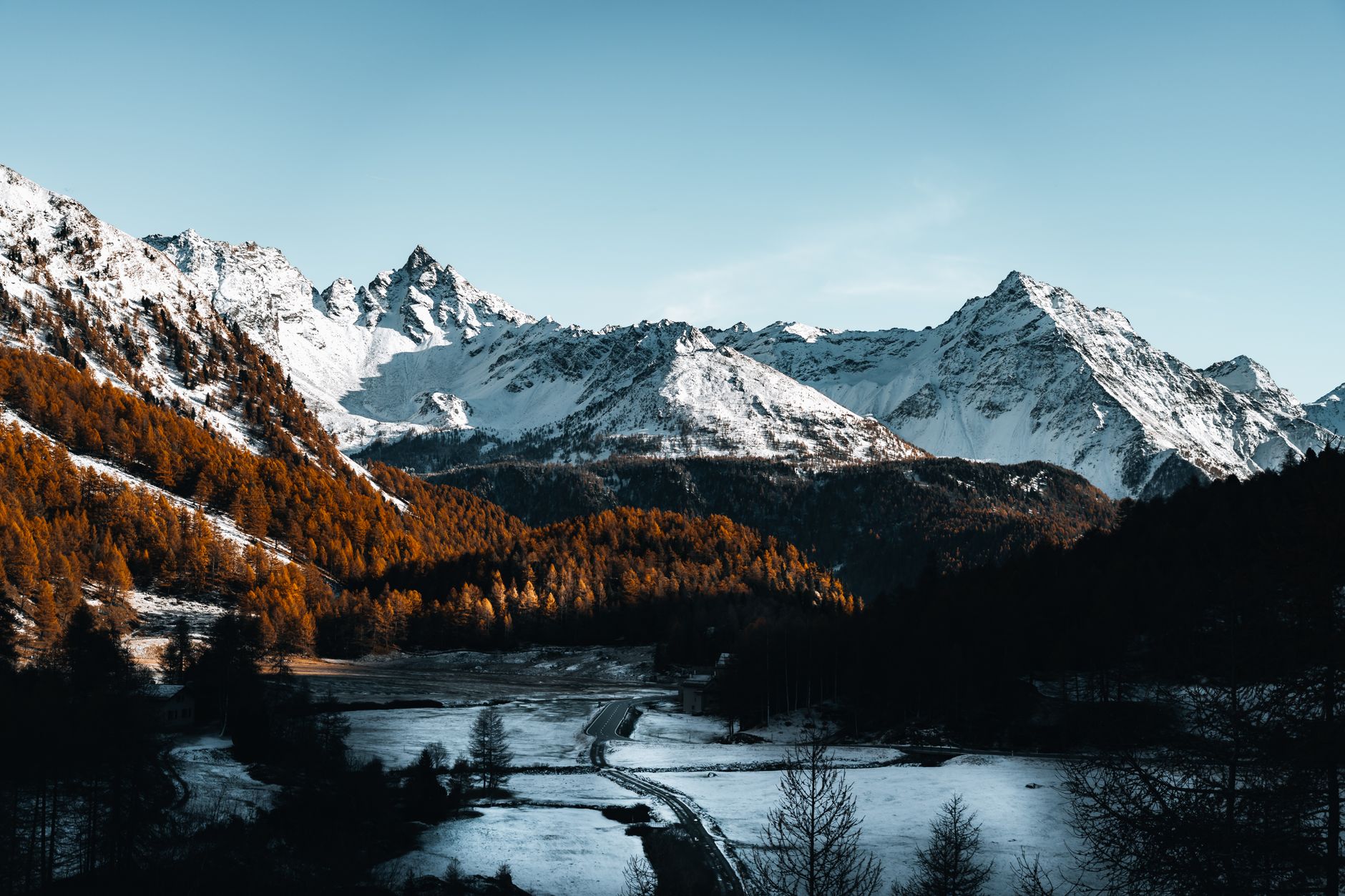
The valley itself adds to the experience in a way that ski resort marketing cannot manufacture. Naltar is famous in Pakistan for the vivid color of its three lakes – Satrangi, Bashkiri, and Naltar Lake – which sit frozen through the peak ski season but become extraordinary destinations in late spring. The forests of pine and birch that line the slopes give the skiing a texture rare in high-altitude Central Asian terrain, where above-treeline bowls are common and forested runs are not. Coming down through those trees in fresh powder, with the Gilgit River valley spread out somewhere far below, is a specific and hard-to-describe kind of skiing pleasure.
Getting There and Who Goes
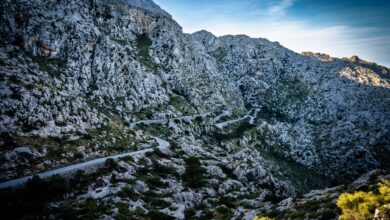
Access to Naltar requires flying into Gilgit, which is served by domestic flights from Islamabad – though weather cancellations on that route are frequent enough that building buffer days into any itinerary is not optional, it is required. From Gilgit, a jeep ride of roughly two hours on mountain roads reaches the valley. The road is passable in winter, but conditions vary, and traveling with someone who knows the route is advisable. No direct international flights serve the region, and the journey from most European or North American departure points involves at minimum two connections and a full travel day.
The visitors who currently make that journey are a specific type. Some are Pakistani urban travelers from Islamabad and Lahore who have discovered the slopes over the past decade. Others are adventure tourists – often with backgrounds in mountaineering or expedition skiing – who have already ticked off more accessible destinations and are looking for something at the edge of the known circuit. A small but growing number are foreign visitors who arrive already familiar with the Gilgit-Baltistan region, having come for trekking or climbing in summers past. Naltar is rarely anyone’s first Pakistan trip. It tends to be the third or fourth, once the traveler has already lost the hesitation that comes with unfamiliarity.
The security situation in Gilgit-Baltistan, which is distinct from conflict-affected areas in other parts of Pakistan, has been stable for extended periods, and the region receives significant domestic and foreign tourism during both summer trekking and winter seasons. Most specialist tour operators working in the area provide current on-the-ground assessments, which are worth consulting before booking. Travelers already comfortable with off-circuit alpine destinations will find the risk calculus familiar, if not identical.
The Question of How Long This Stays Quiet
Pakistan’s government has made repeated public commitments to developing Naltar as a serious ski destination, with proposals for upgraded lift systems, expanded accommodation, and formal integration into international ski tourism marketing. Some of that development has moved forward in modest increments; much of it has not. What Naltar looks like in five years depends entirely on whether that investment actually arrives – and whether the travelers who currently prize its obscurity will still want to be there when it does.