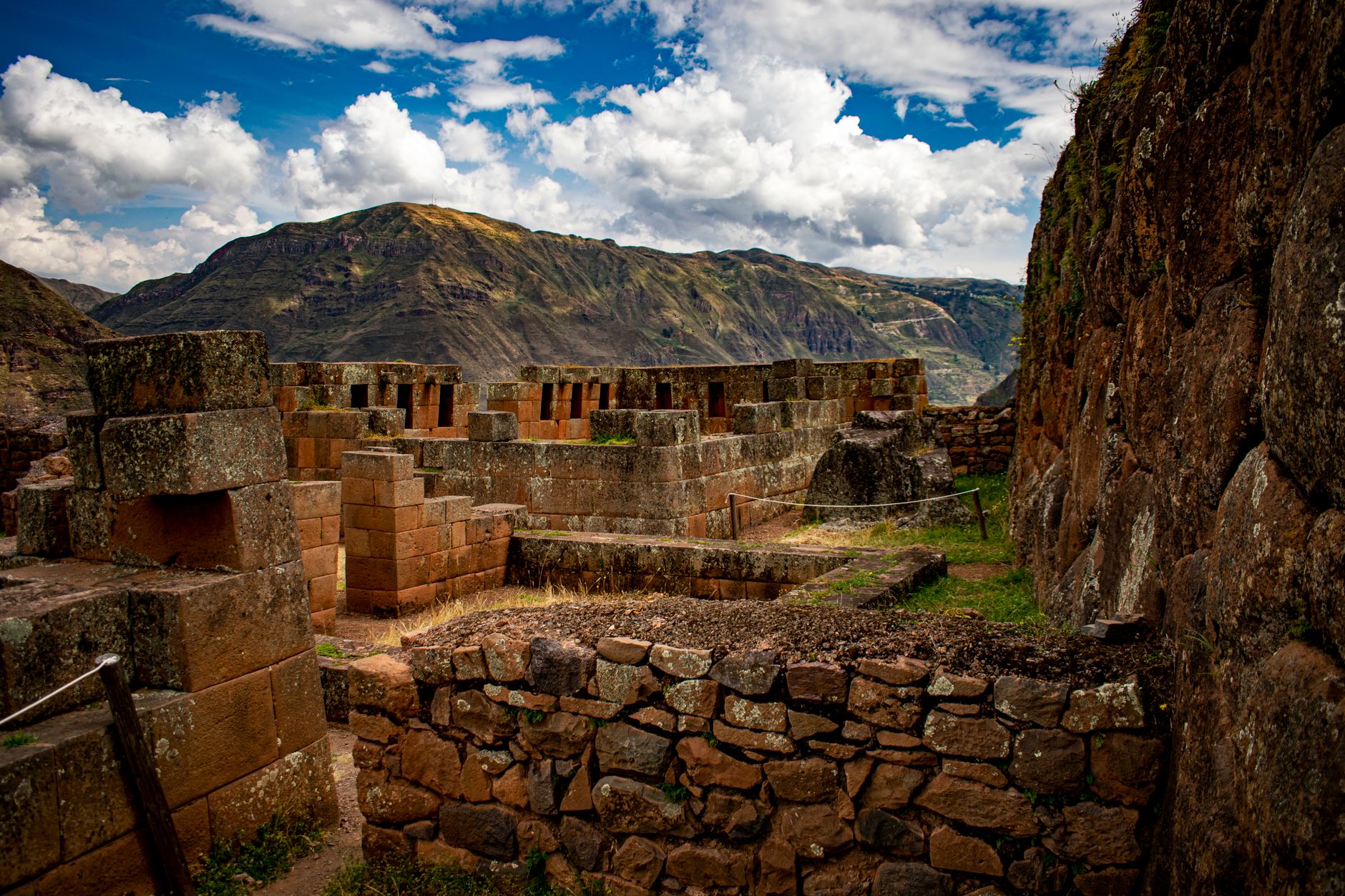

Choquequirao sits at roughly 3,000 meters above sea level in the Apurimac Canyon, accessible only by a two-day trek through steep, exposed terrain. No road reaches it. No train. And for now, no cable car – though plans for one have circulated for years. That isolation is the entire point.
The Inca City That Earned Its Silence
While Machu Picchu processes thousands of visitors daily through timed entry gates and queue systems, Choquequirao receives a fraction of that traffic on any given day. The site covers a larger total area than Machu Picchu, yet only about 30 to 40 percent of it has been excavated and cleared. Terraces, temples, and residential platforms still disappear into the surrounding jungle, half-swallowed by vegetation that archaeologists have barely touched. Walking through it carries a different quality of discovery – less museum, more wilderness.
The name translates roughly from Quechua as “Cradle of Gold,” and the site is believed to have functioned as a royal estate and ceremonial center connected to the Inca ruler Tupac Yupanqui. Its position above the Apurimac River gave it strategic and likely spiritual significance – the river itself was considered sacred in Andean cosmology. Unlike Machu Picchu, which historians believe was largely abandoned before Spanish conquest, Choquequirao saw use as a retreat for Inca nobles fleeing colonization in the 16th century. That layered history gives the ruins a weight that goes beyond architecture.
One of the most visually striking features is a set of terraces decorated with llama figures rendered in white stone against the green hillside. These are not common across Inca sites – the figurative stonework here is unusual enough that archaeologists still debate its exact ceremonial function. Standing at a distance, the llamas emerge clearly against the slope. Up close, the precision of the stonework is hard to reconcile with the remoteness of the location and the era in which it was built.
The site also contains a main plaza, a series of ceremonial platforms, water channels still partially functional after five centuries, and a hilltop sector that requires an additional climb even after reaching the main complex. Most visitors who make the trek spend two nights at the campsite near the ruins, which gives enough time to explore the different sectors at a reasonable pace without rushing. Those who try to compress it into a single overnight often regret it.
The Trek Itself Is Non-Negotiable
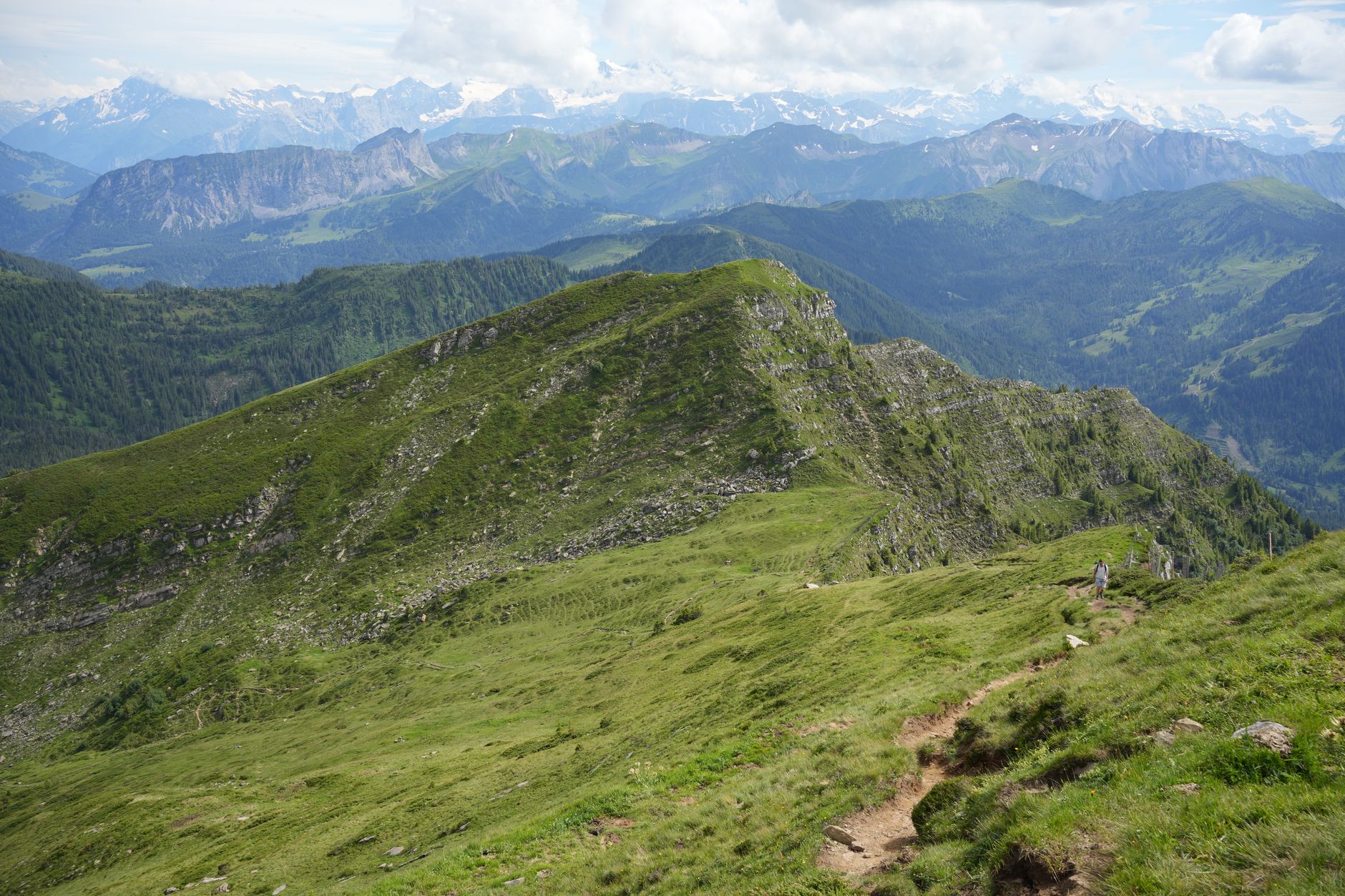
The standard route begins in the village of Cachora, reached by road from Cusco via Abancay. From Cachora, hikers descend sharply into the Apurimac Canyon – losing more than 1,500 meters of elevation – before climbing an equivalent amount on the other side to reach the ruins. The round trip covers roughly 60 kilometers and involves cumulative elevation gain that rivals some of the more demanding routes in the Andes. There is no shortcut and no alternative for anyone without helicopter access.
The trail passes through several distinct climate zones. The descent into the canyon moves through dry scrubland and cactus fields where temperatures climb sharply during midday. The canyon floor, with its narrow river crossing, offers a brief respite before the ascent begins. Higher up, the vegetation shifts into cloud forest, with orchids appearing on tree trunks and the temperature dropping considerably. This range – desert heat at the bottom, damp cool at the top – means packing is genuinely complicated. Hikers who underestimate the midday descent often arrive at the river crossing dehydrated and behind schedule.
There are two small camps along the route: Capuliyoc at the canyon rim and Playa Rosalina at the river. Neither offers anything beyond very basic infrastructure. A handful of local families operate simple guesthouses along the trail, providing meals and overnight accommodation for a modest fee. Bringing a certified guide is not legally required, but the trail is poorly marked in sections and conditions change after rain. A number of guiding agencies operate out of Cusco and Abancay, many of which also supply mules to carry gear – an option worth taking seriously given the load required for two or three nights in the backcountry.
The physical demands filter the visitor pool in a way that no ticketing system could. The people who arrive at Choquequirao have earned it through two days of effort, and that shared context shapes the atmosphere at the site. Conversations at the campsite tend toward the substantive. Other travelers offer route advice, share food, swap information about water sources. There is a social texture to the place that mass tourism tends to flatten.
For travelers already planning a broader Andean itinerary, Choquequirao can be combined with a traverse to Machu Picchu through a multi-day route that takes five to eight days depending on pace and side routes chosen. This “Choquequirao to Machu Picchu” traverse is considered one of the great Andean long routes, passing through remote villages, high passes, and continuous Inca agricultural terracing. Outfitters in Cusco run supported versions with mules and camp cooks. The logistics are real but manageable for anyone with solid trail experience.
The Cable Car Question
Peru’s government has floated plans for a cable car connecting the canyon rim to the ruins for well over a decade. The case made by proponents focuses on economic development for surrounding communities and increased accessibility for visitors who cannot hike. Opponents – including conservation groups and a significant portion of the archaeological community – argue that the infrastructure would alter the character of the site irreversibly and create visitor volume the ruins cannot sustain without major intervention. As of now, the project has not moved past planning stages, repeatedly stalled by funding gaps, environmental reviews, and political changes in Lima.
What that delay means practically is that right now, Choquequirao remains what it has been for decades: a site requiring genuine effort to reach, rewarding people who make that effort with near-solitude inside a complex that archaeologists have only partially understood. If the cable car is eventually built and visitor numbers multiply, the experience will be different in kind, not just degree. Whether that tradeoff serves the ruins or the region better is a question Peru has not yet answered.