
The Amalfi Alternative Nobody Talks About
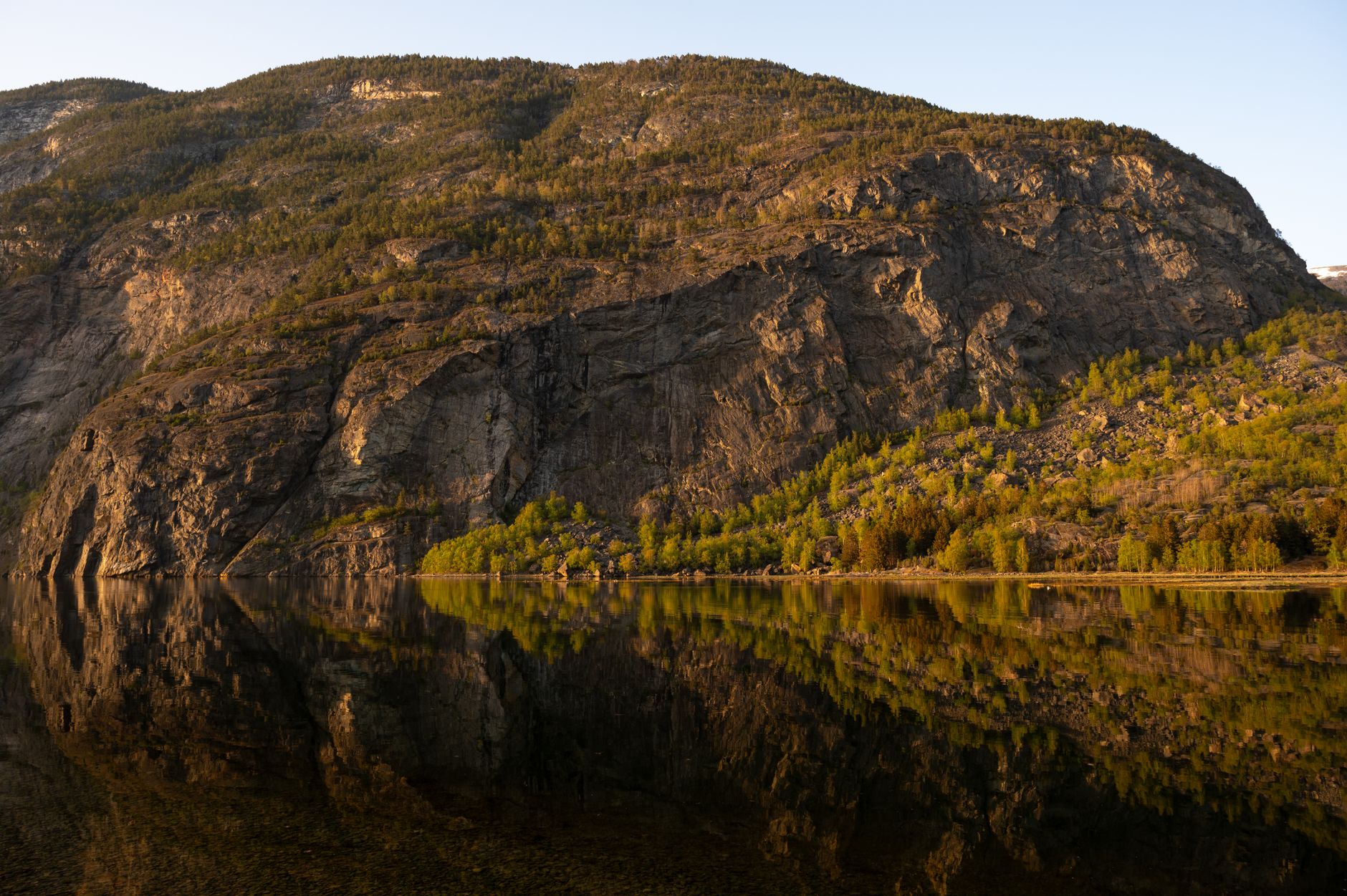
The Amalfi Coast sells itself. It has the postcards, the pasta, the centuries of literary mythology. But there is another coastline – carved by the same geological drama of cliffs meeting water, equally ancient in its maritime culture – that draws a fraction of the visitors and offers something Amalfi has long since lost: genuine solitude. Oman’s Musandam Peninsula, a detached exclave of Oman separated from the rest of the country by the UAE, hangs at the mouth of the Strait of Hormuz like a forgotten jewel, its fjords slicing deep into rust-colored limestone mountains.
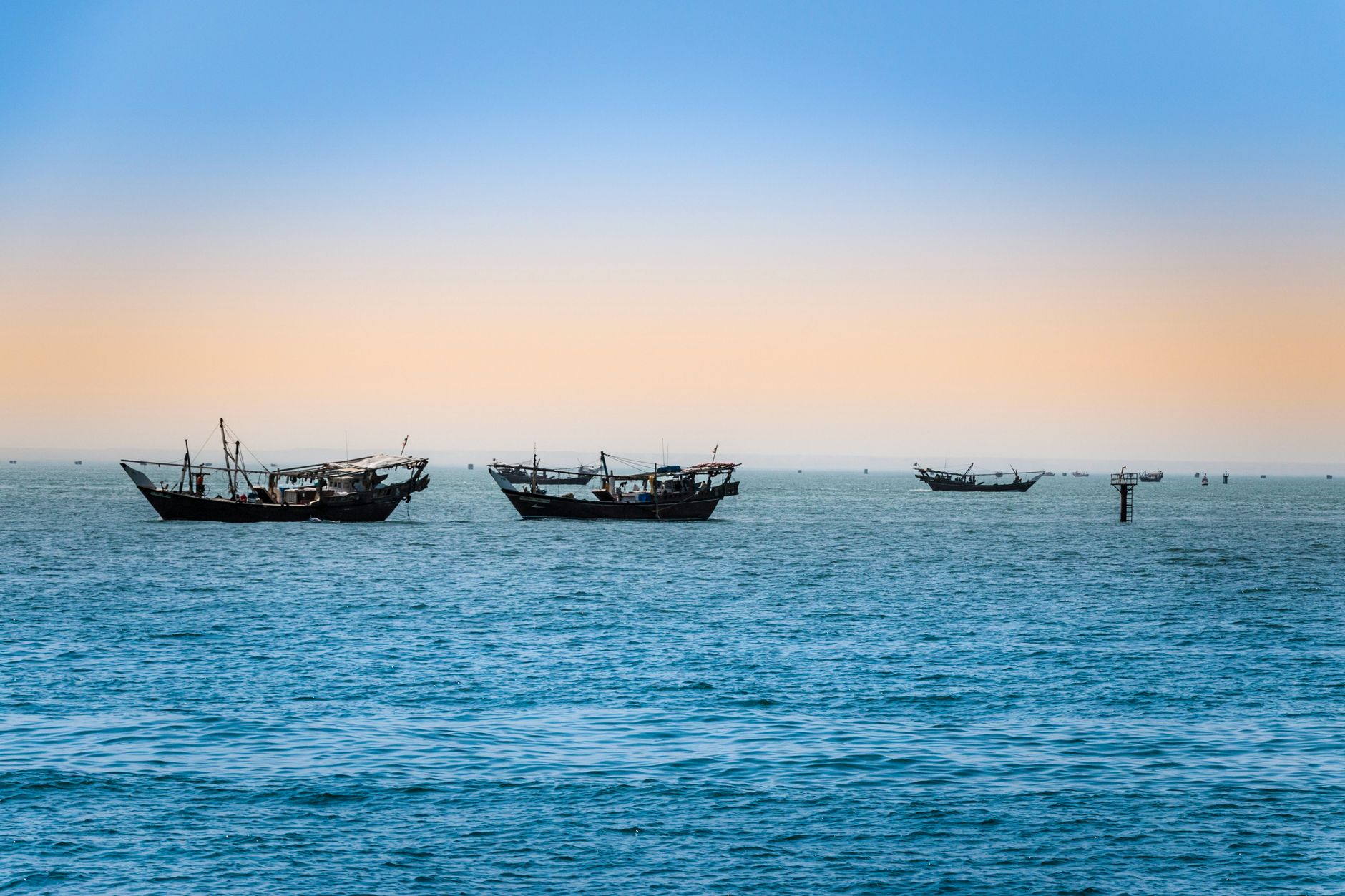
Sailors who have made both crossings tend to use the same word for Musandam: raw. Where Amalfi has been curated, photographed and priced accordingly for generations, Musandam retains the quality of a place that exists on its own terms. The local Shihuh people have inhabited these mountains and inlets for centuries, and the traditional wooden dhow – still the dominant vessel in these waters – connects present-day visitors to a regional seafaring tradition that predates Italian coastal tourism by a long margin.
The Geography That Makes It Work
Musandam’s defining feature is its khors – the Arabic word for inlets or creeks that functions here as the regional equivalent of the Scandinavian fjord. The Khor ash-Sham is the largest, stretching roughly 16 kilometers inland and flanked by cliffs that rise several hundred meters directly from the water. There is no beach fringe, no gradual approach. The rock simply descends into water the color of deep glass, and the effect, particularly in morning light when shadow still holds the western walls, is severe and quietly spectacular. Dolphins are routine company; the Musandam waters host Indo-Pacific bottlenose dolphins in numbers that would generate headlines if the peninsula had a stronger tourism infrastructure to broadcast them.
Khasab, the peninsula’s small capital, is the operational base for almost all dhow journeys. The town sits on a natural harbor and holds a Portuguese fort built in the early 17th century – a reminder that these straits were once a strategic chokepoint that European powers fought to control. Today the fort is a museum, but the harbor remains active, and the early morning loading of traditional dhows with water, food and fuel for overnight trips creates a scene that would not look dramatically different in photographs taken decades ago. The road north from Khasab through the Hajar Mountains, toward the village of Khawr Najd with its lookout over the Gulf of Oman, is one of the more disorienting drives in the Arabian Peninsula – a switchback ascent through a landscape of bare ochre stone with no guardrail philosophy and views that reward the white-knuckle moments.
Dhow Life Versus Charter Glamour
The comparison with Amalfi breaks down quickly when you get into specifics of what the sailing actually looks like. On the Amalfi Coast, the dominant vessel is the luxury charter boat, crewed professionally and rented by half-day or full-day to visitors who want the coastline as a backdrop for aperitivo. In Musandam, the dhow is both the tourism vehicle and a working craft still used for fishing and inter-village transport. The distinction matters because it shapes the entire experience on the water.
A standard overnight dhow trip out of Khasab follows the khors north, anchoring in sheltered inlets where the only sounds after dark are water against the hull and the occasional goat on a hillside above. The boats are simple – mattresses on the deck, shared meals cooked on board, no air conditioning. That austerity is the point. Travelers who arrive expecting Positano-level hospitality will be genuinely surprised, and not pleasantly. Travelers who arrive understanding that Musandam offers something older and less processed will find those same nights among the more memorable of any trip they have taken to the Middle East.
The snorkeling around Telegraph Island – named for the British telegraph relay station that once operated there in the 19th century – holds its own against the Tyrrhenian. Visibility in the khors can reach 20 meters in calm conditions, and the reef systems around the island support a range of marine life disproportionate to the attention the area receives from diving publications. The phrase “going around the bend” is said, with some regional enthusiasm, to originate with the British telegraph operators stationed on the island, who found the posting sufficiently remote to affect their mental health.
The seasonal window matters. Musandam’s best conditions fall between October and April, when temperatures on the water sit between 20 and 30 degrees Celsius and the humidity that defines Gulf summers has retreated. The summer months are not dangerous but they are uncomfortable in a way that makes the experience significantly less enjoyable, particularly on a boat without shade engineering built for the heat.
Practical Geometry: Getting There
Musandam’s logistics carry a wrinkle that Amalfi does not. Because the peninsula is an Omani exclave, travelers arriving overland from Dubai or other UAE points must cross into Oman, exit, cross a small strip of UAE territory, and re-enter Oman – a border dance that has confused more than a few GPS systems and requires checking current visa policies before departure, as the rules for nationalities differ between Oman and the UAE. The drive from Dubai to Khasab runs approximately two and a half hours in clear traffic. Alternatively, a ferry operates between Khasab and the UAE emirate of Musandam’s closest point, though schedules shift seasonally.
Accommodation in Khasab remains limited by any measure. A handful of small hotels and guesthouses serve the town, with the overnight dhow trip itself functioning as the primary lodging option for many visitors. That supply constraint keeps crowds manageable but also means that booking in advance during the October-to-March peak is not optional for anyone with fixed travel dates.
What Musandam Asks of You
There is a type of traveler for whom Amalfi’s polish is precisely what makes it worth visiting – the infrastructure, the restaurant culture, the reassurance of a destination that has been stress-tested by millions of visitors. Musandam asks for the opposite disposition. Roads in the interior are partly unpaved. Villages reachable only by boat still exist. The tourism economy here is thin enough that a bad season of regional travel advisories visibly affects local operators. The pentagon of factors – geography, culture, access, accommodation and the condition of the water – combine to produce something that requires a degree of comfort with uncertainty that not every traveler carries.
The dhow captains out of Khasab often have generational knowledge of the khors – families where the grandfather navigated by stars through the same inlets where the grandchildren now run tourism boats. That continuity is not a marketing line; it shapes the quality of the guidance on the water in ways that no amount of professionally trained crew can replicate. Whether Musandam holds that character as its tourism numbers gradually increase is the question that operators and long-term visitors are quietly watching.