
A Valley That Stopped Apologizing for Itself
The Douro Valley has spent decades in the shadow of more marketed European wine regions – Bordeaux, Tuscany, the Rhone. That’s changing. A growing number of wine travelers are making the detour east from Porto, winding up into the terraced hillsides of northern Portugal, and coming back with the kind of enthusiasm that used to be reserved for Chianti country. The valley doesn’t look like Tuscany. It doesn’t taste like it either. And that, increasingly, is the point.
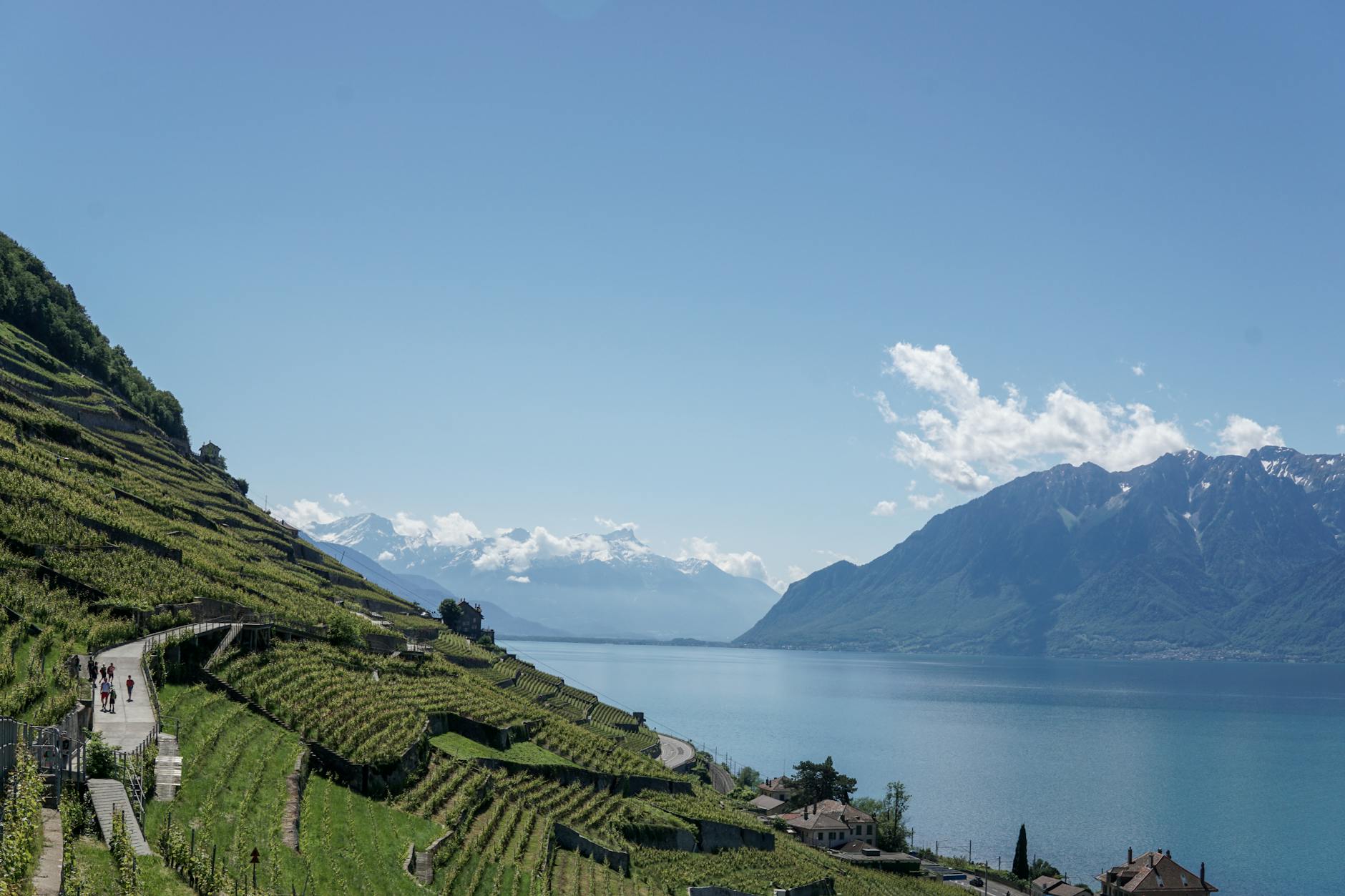
What the Douro offers is something harder to package: extreme topography, native grape varieties that appear almost nowhere else on earth, and a wine culture that predates most of Italy’s famous appellations by centuries. The region’s steep schist slopes, carved into terraces by hand labor that stretches back to the 17th century, produce wines of unusual intensity – concentrated, mineral-edged, and structured in ways that reward serious attention. Port remains the valley’s most famous export, but the dry Douro reds and whites now drawing international attention are a different conversation entirely.
The Infrastructure Has Finally Caught Up
For years, visiting the Douro meant accepting a certain roughness – long drives on single-lane roads, limited accommodation options outside of Porto, and wine estates that weren’t set up for tourism in any polished sense. That gap has largely closed. A cluster of quintas – the Portuguese term for wine estates – have invested seriously in visitor facilities over the past decade, building tasting rooms with river views, adding boutique hotels within working vineyards, and designing structured tours that go well beyond a quick pour and a sales pitch. The valley’s two main towns, Peso da Regua and Pinhao, have both expanded their dining and lodging options without losing the unhurried pace that makes the region worth visiting.
The train journey from Porto to Pinhao deserves its own mention. Running along the Douro River through increasingly dramatic gorge scenery, it’s widely considered among the most beautiful rail routes in Western Europe – a three-hour trip that functions as an arrival experience rather than just transit. Travelers who’ve done both the Douro and the Cinque Terre often note that the Portuguese route feels less curated, more genuinely remote. You arrive already immersed rather than prepped for a postcard.
Quinta stays now range from working farm simplicity to full-scale luxury, with some properties offering multi-day immersions that include harvest participation in the autumn months. September and October are peak season for this – the valley fills with pickers during vindima, the grape harvest, and many estates allow guests to join in, which is an experience Tuscany charges considerably more to replicate. The social atmosphere during vindima is hard to manufacture: communal meals, local music, and the particular energy of a place focused entirely on one annual event.
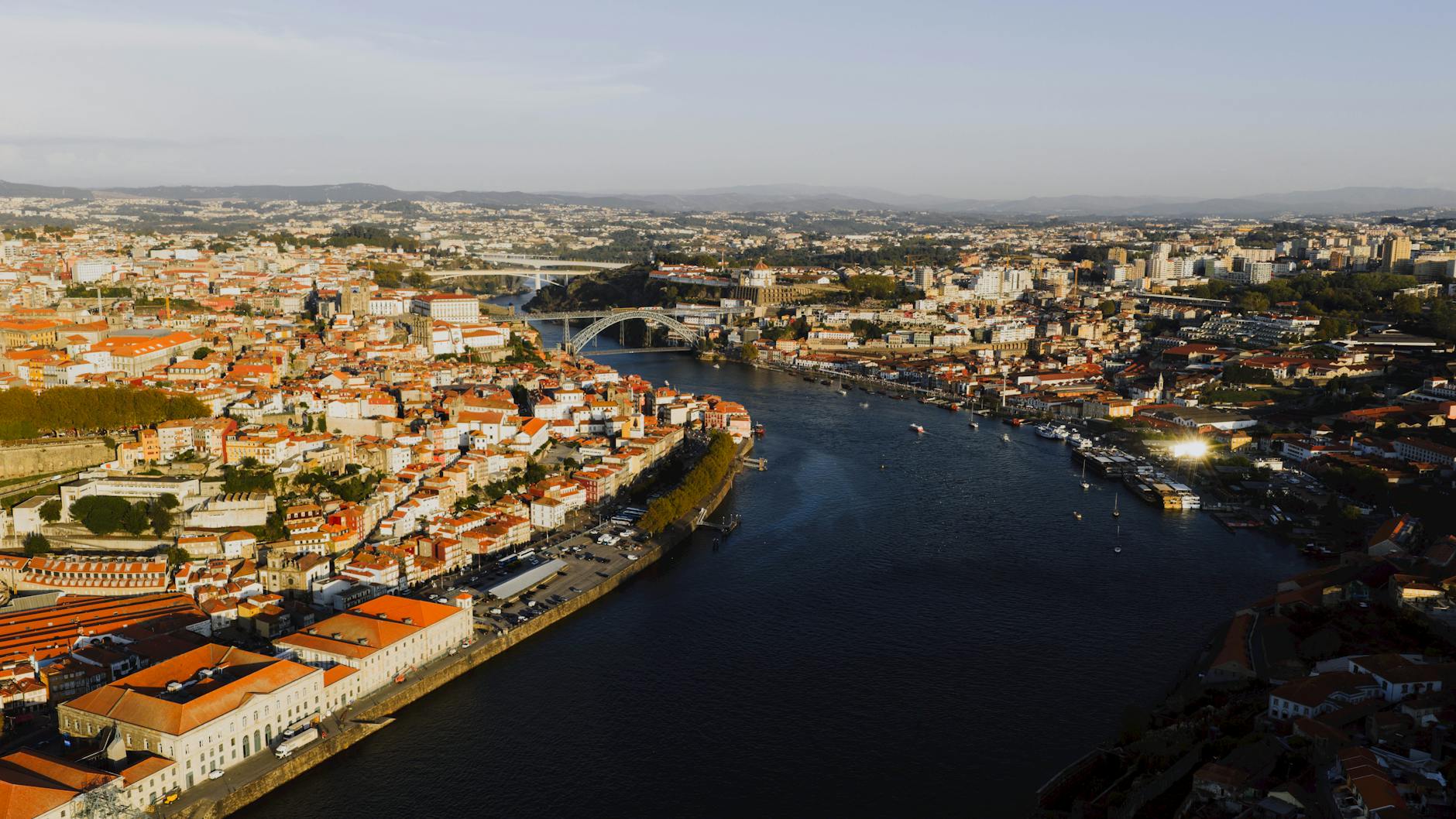
Helicopter tours over the valley have become increasingly available from Porto, giving visitors an aerial perspective on the terracing that’s impossible to grasp from ground level. Seen from above, the scale of what was built by hand over centuries is genuinely striking – ridgeline after ridgeline of narrow stone-walled steps descending hundreds of meters to the river. No other wine region in Europe looks quite like it from the air, and a growing number of travel operators are packaging the flight as a day-trip from the city.
What the Wines Actually Are
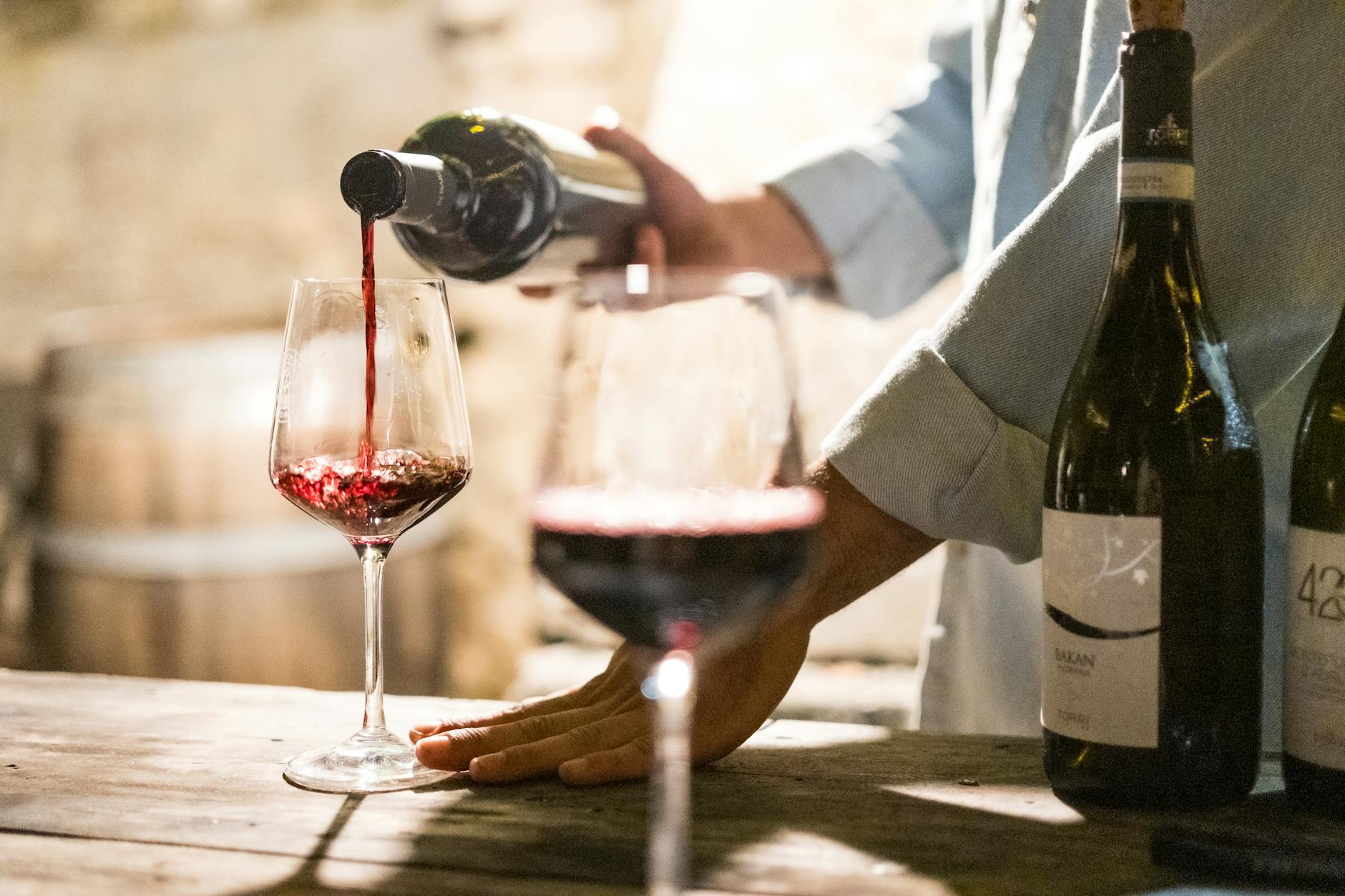
Port wine built the valley’s international reputation, and fortified production still dominates in the Cima Corgo and Douro Superior sub-regions. But the dry table wines are where the real conversation has shifted. Made from the same indigenous varieties – Touriga Nacional, Touriga Franca, Tinta Roriz – the reds carry that volcanic, mineral quality that comes directly from schist soil with almost no topsoil depth. Vines that struggle in thin, rocky ground produce smaller yields, and smaller yields produce more concentrated fruit. The logic is straightforward, and the wines express it clearly.
White Douro wines remain underknown outside Portugal, which means the value-to-quality ratio is still favorable for travelers buying direct from estates. Varieties like Rabigato, Viosinho, and Gouveio make textured, saline whites that sommeliers in Lisbon and Porto have been pushing for years – wines that hold their own next to aged white Burgundy at a fraction of the price. Buying a case to ship home from a quinta is both practical and an excellent excuse to linger.
Compared to Tuscany, Honestly
Tuscany’s wine tourism infrastructure is more developed, no question. The Super Tuscans have global brand recognition, the agriturismo model is deeply refined, and the surrounding cultural draw – Florence, Siena, San Gimignano – gives wine visitors a dense itinerary to build around. For travelers who want a fully loaded itinerary with maximum convenience, Tuscany still delivers that more consistently. The Douro requires a little more planning and a tolerance for places that aren’t yet optimized for tourism.
What the Douro has that Tuscany can’t easily replicate is the river itself. The Corgo and the Douro together create a landscape that is dramatic in a way the rolling Tuscan hills simply aren’t. Dining on a quinta terrace above the river at dusk, watching the light shift across terraces that extend for miles in both directions, is a specific kind of experience – quieter than Tuscany, less photographed, and available at a price point that still feels like a secret to many travelers coming from northern Europe or North America.
Prices remain meaningfully lower across the board. Accommodation at comparable quality tiers runs noticeably cheaper than Chianti-area properties. Restaurant meals in Regua or Pinhao, even at the better dining rooms, rarely reach what a mid-range trattoria in Greve charges. Estate tastings are often free or low-cost, with purchase optional. For travelers who’ve watched Tuscany’s wine tourism market price itself into the premium-vacation bracket, the Douro represents a genuine alternative – not a lesser version of the same thing, but a place with its own character that happens to cost less.
The one thing that could change this trajectory fastest is visibility. As more travel media covers the valley and more direct flights land in Porto from North America and the Gulf, the economics of the region will adjust. Some quintas are already raising tasting fees and adding booking requirements that weren’t necessary two years ago. The window in which you can show up, knock on a quinta gate, and spend an afternoon drinking with the winemaker is narrowing – not closed, but narrowing.