Micro-Adventures in Your Home City: Finding Excitement Within 50 Miles
The weekend warrior’s dilemma isn’t lack of adventure—it’s the assumption that real excitement requires a passport and a four-figure budget. While Instagram floods your feed with Bali sunsets and Swiss Alps, the most transformative experiences often hide within your daily commute radius.
2026 has ushered in a micro-adventure revolution. Urban explorers are discovering that a 50-mile radius contains more hidden gems than most people explore in a lifetime. From abandoned subway tunnels in New York to underground speakeasies in Nashville, the adventure economy has shifted local. Apps like NearQuest and CityMystery now map unmarked trails, secret viewpoints, and pop-up experiences that change weekly.

## Urban Exploration: Your City’s Secret Layer
Every metropolitan area harbors a parallel universe of forgotten spaces and hidden infrastructure. In 2026, guided urban exploration has exploded beyond the typical walking tours, offering access to previously off-limits locations.
### Underground Networks and Forgotten Spaces
Chicago’s Lower Wacker Drive system extends far beyond what most residents know. Local guides now offer “Underworld Chicago” tours that explore the 40 miles of service tunnels connecting major buildings downtown. These aren’t sketchy trespassing adventures—they’re legitimate experiences run by urban historians who’ve secured proper permissions. Cost: $85 per person, available Saturdays.
Los Angeles has opened sections of its abandoned subway system for weekend exploration. The Red Car tunnel system, shut down in 1963, now hosts “Phantom Metro” experiences where participants navigate with vintage maps and headlamps. The tours culminate in speakeasy-style gatherings in converted station platforms. Book through LAUnderground.com, $120 including cocktails.
Seattle’s underground remains aren’t just Pioneer Square. The city’s forgotten pneumatic postal system, which operated until 1953, now offers crawl-through adventures for the adventurous. Limited to groups of six, these experiences book out months in advance at $200 per person.
### Rooftop Networks and Vertical Adventures
Urban climbing has evolved from risky hobby to organized sport. Brooklyn’s Vertical Ventures maps legal climbing routes up water towers, fire escapes, and abandoned industrial structures. Their “Skyline Scramble” package includes gear rental, safety instruction, and access to three different vertical challenges. Weekend packages start at $180.
Portland’s rooftop garden network has created “Garden Hopping” experiences. Participants navigate between 12 connected buildings via bridges and ladders, sampling urban-grown food and craft beverages along the route. The entire journey stays 50+ feet above street level. Available Friday evenings, $95 including dinner.
### Industrial Heritage Adventures
Former industrial sites have transformed into adventure playgrounds. Detroit’s Packard Plant now hosts monthly “Ruins Racing” events where participants navigate obstacle courses through the massive complex. Local artists create installations that change quarterly, ensuring repeat visitors find new challenges. Entry: $45, gear rental additional $25.
Cleveland’s old steel mills offer “Foundry Fitness” programs combining historical tours with intense workout challenges. Participants haul actual steel ingots, navigate conveyor systems, and climb furnace structures. These aren’t tourist attractions—they’re serious physical challenges that happen to occur in historically significant locations. Weekend intensive: $165.
## Nature’s Hidden Pockets: Wilderness Within City Limits
Urban areas contain surprising amounts of genuinely wild space. 2026’s micro-adventure trend has revealed ecosystems and landscapes that most locals never discover.
### Waterway Adventures
Most cities sit on extensive river or creek systems that remain largely unexplored. Denver’s South Platte River system includes 35 miles of paddleable water within city limits. Urban Paddle Company offers “Creek Crawling” experiences that navigate sections most people drive over daily without noticing. Their most popular route passes under 14 major highways while maintaining a wilderness feel. Half-day packages: $120 including gear.
Nashville’s underground river system, largely covered by development, has reopened sections for kayaking. The “Lost Rivers Tour” takes paddlers through sections that haven’t seen daylight since the 1950s. Waterproof headlamps required. These tours operate year-round and cost $95 per person.
Austin’s urban creek system extends far beyond the well-known Barton Springs. Shoal Creek, Waller Creek, and five other waterways offer everything from tubing to stand-up paddleboarding. Creek Systems ATX maps all navigable sections and maintains gear rental locations every three miles. Daily passes: $35, gear rental: $45.
### Urban Forest Adventures
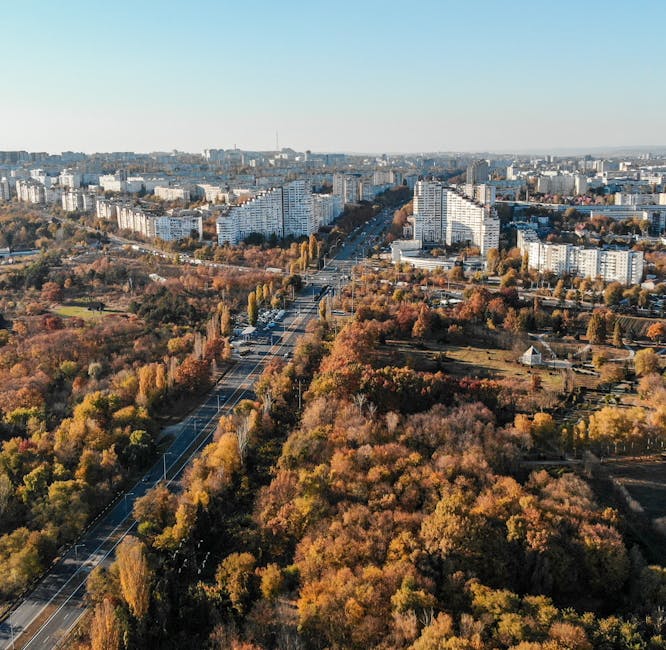
Cities contain more forest than most residents realize. Atlanta’s BeltLine connects 22 miles of trails, but the lesser-known “Emerald Corridor” adds another 45 miles of hiking through old-growth pockets that somehow survived development. TreeHouse Adventures has built an elevated obstacle course system that connects these forest patches 30 feet above ground. Full-day canopy tours: $185.
San Francisco’s Mount Davidson contains trails that feel completely removed from urban life despite being accessible by public transit. Local guide service Wild SF leads overnight camping expeditions—yes, legal camping within city limits. They’ve secured permits for backcountry-style camping in five different locations within the city boundary. Weekend camping packages: $145 per person.
Boston’s Emerald Necklace isn’t just pretty parks. It includes genuinely challenging hiking terrain and even rock climbing opportunities. Urban Wild offers “City Peaks” adventures that bag multiple summits without leaving the metropolitan area. Their record is seven peaks in one day, all accessible by subway. Day passes: $75.
### Seasonal Micro-Adventures
Winter micro-adventures have exploded in popularity. Minneapolis now offers urban ice climbing on buildings specifically designed for the sport. The IceWorks facility creates 40-foot climbing walls using city water systems, renewed nightly. Season passes: $320, day rates: $65.
Spring brings urban foraging opportunities. Chicago Foraging Collective leads expeditions through city parks and vacant lots, teaching participants to identify and harvest wild edibles growing within city limits. Their “Vacant Lot to Table” dinners use ingredients gathered during afternoon foraging walks. Full experience: $135 per person.
Summer urban surfing happens in surprising places. Cleveland’s Lake Erie produces legitimate surf conditions during storms. Great Lakes Surf Co. monitors conditions and organizes sessions when waves hit 3+ feet. They provide all gear and instruction for beginners. Storm surge sessions: $95 including wetsuit rental.
## Making It Happen: Practical Implementation
The key to successful micro-adventures isn’t finding exotic locations—it’s changing your perspective on familiar territory. Start with a 20-mile radius and expand gradually. Most urban adventure opportunities require advance booking, especially weekend slots.
Budget planning matters more for frequency than individual adventures. Regular micro-adventurers spend $200-400 monthly on local experiences rather than saving for one major trip annually. This approach builds skills progressively and creates deeper connections to place.
Safety considerations differ from wilderness adventures but remain crucial. Urban exploration requires different gear—headlamps instead of GPS, different first aid considerations, specific insurance coverage. Many urban adventure companies now offer skill-building workshops specifically for city-based activities.
The micro-adventure movement has proven that excitement doesn’t require distance. Your 50-mile radius contains more adventure opportunities than previous generations could access in a lifetime. The question isn’t whether adventure exists nearby—it’s whether you’re ready to discover it.
Start this weekend. Pick one unfamiliar neighborhood, waterway, or elevation within your radius. Apply the same planning and gear preparation you’d use for a major expedition. The adventure you’re seeking might be closer than your morning commute.