How to Navigate Airport Security with New AI Scanners: Complete 2026 Guide
Airport security just got a major upgrade. The TSA’s new CT-based 3D scanners and AI-powered threat detection systems are rolling out nationwide, fundamentally changing how you’ll move through checkpoints in 2026.
Gone are the days of fumbling with laptop bags and liquid restrictions. These advanced scanners can detect threats inside bags without requiring you to remove electronics or liquids under 3.4 ounces. But the technology comes with new protocols you need to understand to avoid delays.
Understanding the New AI Scanner Technology
The latest Analogic ConneCT and Smiths Detection HiScan 6040aTiX scanners use computed tomography (CT) technology similar to medical equipment. Unlike traditional X-ray machines that create flat images, these systems generate 3D rotational views of your bag’s contents.
The AI component analyzes these images in real-time, identifying potential threats by comparing objects against a database of millions of scanned items. The system flags suspicious items automatically, reducing human error and speeding up the screening process.
What This Means for Your Carry-On
You can now keep these items in your bag:
- Laptops and tablets (no more removing them from bags)
- Liquids under 3.4 ounces in containers (the 3-1-1 rule still applies for larger containers)
- Electronics like cameras, gaming consoles, and charging cables
- Food items and snacks
However, certain items still require removal: large electronics over 12 inches, metal objects that could obscure threats, and any liquids over 3.4 ounces.
Step-by-Step Navigation Process
The new screening process follows a modified timeline. Here’s exactly what to expect:
Before You Reach the Checkpoint
Prepare your bag differently than before. Keep electronics distributed throughout your bag rather than clustered together—the AI performs better when items aren’t stacked. Place any remaining restricted liquids (over 3.4 oz) in easily accessible pockets for quick removal.
At the Security Line
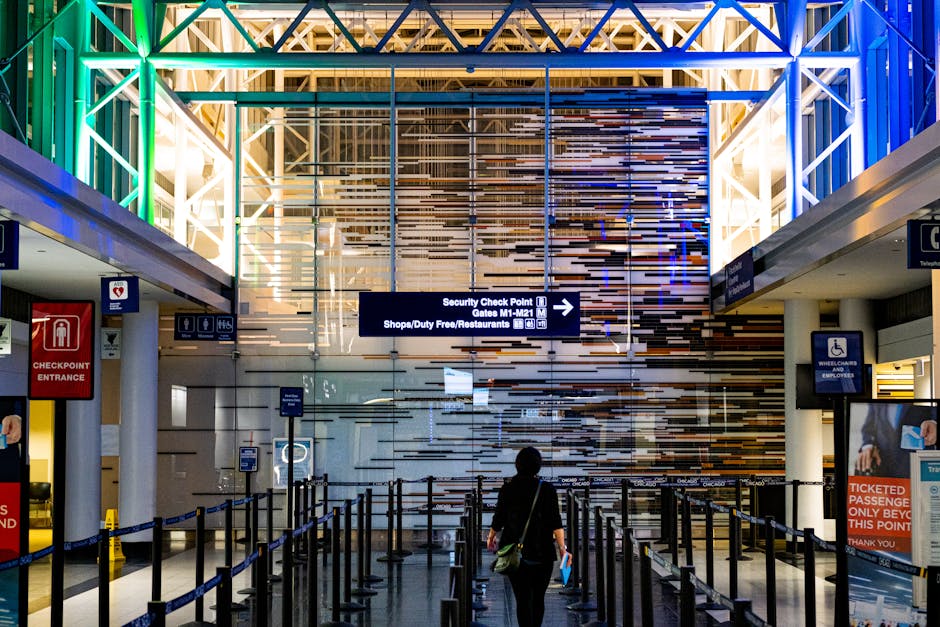
The TSA agent will direct you to either a traditional lane or an AI-enhanced lane. At airports like Denver International and Ronald Reagan Washington National, roughly 60% of lanes now use the new technology.
Place your bag in the bin without removing laptops or small liquids. Keep larger liquids, aerosols over 3.4 ounces, and any medical devices separate. The conveyor moves slower than traditional systems—about 20% longer per bag—but processes more bags simultaneously.
If Your Bag Gets Flagged
The AI system flags approximately 15% fewer bags than traditional scanners, but when it does flag something, the process is more thorough. A TSA officer will review the 3D image on their screen and may ask you to open your bag at a secondary station.
Common false positives include: dense food items like blocks of cheese, tightly packed clothing, and overlapping electronic devices. The officer can often clear these items quickly using the 3D imaging without a physical search.
Airport-Specific Variations
Not all airports implement the technology identically. Major hubs have different rollout schedules and protocols:
**Los Angeles International (LAX):** All international departure gates use AI scanners as of late 2025. Terminal 1 still uses traditional equipment for domestic flights.
**Hartsfield-Jackson Atlanta International:** Full deployment across all terminals completed in early 2026. They’ve added dedicated lanes for passengers unfamiliar with the new process.
**Chicago O’Hare:** Piloting enhanced AI that can detect liquid quantities more precisely, potentially relaxing the 3-1-1 rule for certain terminals by mid-2026.
Smaller airports like Bozeman Yellowstone International and Key West International won’t receive the technology until 2027-2028 due to budget constraints.
Items That Still Cause Problems
Despite AI improvements, certain items consistently trigger additional screening:
Electronics and Batteries
Power banks over 20,000mAh require special handling. The AI sometimes can’t distinguish between large batteries and potential threats, especially when multiple devices are packed together.
Drone batteries and camera equipment with lithium cells need to remain accessible. Pack them in the top section of your carry-on for easy removal if requested.
Food and Organic Materials
Dense organic items like peanut butter, large blocks of chocolate, or homemade baked goods often require manual inspection. The AI struggles with items that have similar density to organic explosives.
Wrap food items separately and avoid packing them directly against electronics, which can create confusing images for the scanning system.
Maximizing Efficiency Tips
Packing Strategy
Use packing cubes or clear organizers to separate categories of items. This helps the AI distinguish between different objects more easily. Avoid overpacking—bags filled to capacity create overlapping images that require manual review.
Timing Considerations
AI scanners work fastest during off-peak hours. Early morning flights (before 7 AM) and late evening departures (after 9 PM) typically move through these systems 25% faster than midday travel.
Factor in an extra 10-15 minutes for your first experience with the new system, but expect significantly faster processing once you’re familiar with the protocol.
Special Circumstances
Travelers with medical devices should notify TSA officers before screening. The AI can detect implanted devices and may flag them for additional review. Carry documentation for any medical equipment.
Global Entry and TSA PreCheck members still receive expedited screening, but the time savings are less dramatic with AI scanners since regular lanes now move more efficiently.
Looking Ahead: What’s Next
By late 2026, expect to see facial recognition integration at major airports, further streamlining the ID check process. The TSA is also testing AI systems that can detect liquid quantities more precisely, potentially eliminating the 3-1-1 rule entirely.
Some airports are piloting “seamless security” lanes where qualified passengers walk through without stopping, similar to systems already operating in parts of Europe and Asia.
The key to navigating these changes successfully is preparation and patience during the transition period. Pack smart, arrive with extra time for your first few trips, and don’t hesitate to ask TSA officers for guidance. The technology is designed to make travel more efficient, but it requires travelers to adapt their habits accordingly.
These AI-powered scanners represent the biggest change to airport security since the TSA’s creation. Master the new protocols now, and you’ll sail through checkpoints while others struggle with outdated packing habits.