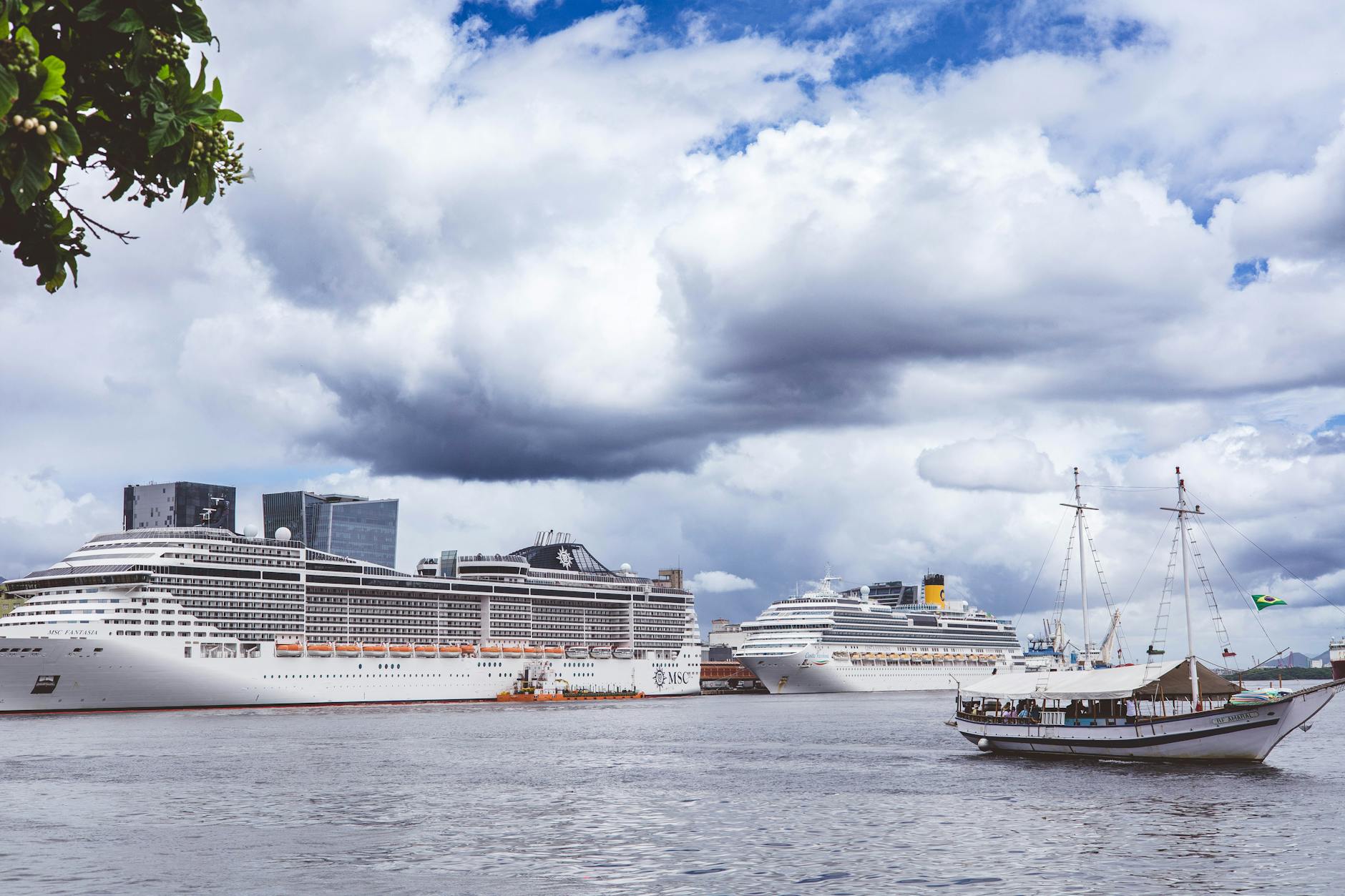

The cruise industry’s decades-old tradition of formal nights is disappearing as major lines replace elegant dining rooms with sprawling food halls that cater to passengers who prefer athleisure over evening gowns.
The Death of Dress Codes
Carnival Corporation announced this month that three of its newest ships will feature no formal dining rooms whatsoever. Instead, passengers will find 12,000-square-foot food halls with stations serving everything from Korean barbecue to artisanal pizza. The move eliminates the need for passengers to pack formal wear entirely.
Royal Caribbean has taken a hybrid approach, reducing formal nights from three to one per seven-day cruise while expanding their Windjammer buffet areas by 40%. The remaining formal night now features a “smart casual” dress code rather than the traditional black-tie requirement that once defined cruise elegance.
Norwegian Cruise Line pushed further, removing all dress codes from their main dining venues in 2023. Passengers can now eat at any restaurant in shorts and flip-flops, a decision that sparked both praise from families and criticism from traditionalists who viewed formal nights as part of the cruise experience.
The shift reflects passenger demographics that have changed dramatically over the past decade. Millennials and Gen Z cruisers represent 60% of new bookings, and surveys show they prioritize Instagram-worthy food experiences over formal dining protocols. These younger passengers often book cruises specifically to avoid the rigid social expectations they associate with their parents’ generation.
Food Halls Replace Fine Dining
Celebrity Cruises gutted the formal dining rooms on two ships last year, replacing them with expansive marketplace-style venues that stay open 20 hours daily. The new spaces feature live cooking stations, grab-and-go options, and communal seating areas designed for social media sharing rather than intimate conversation.
Virgin Voyages built their entire fleet around this concept, featuring no traditional dining rooms at all. Their ships offer 20 different food venues, from a Korean BBQ joint to a test kitchen where passengers can watch chefs experiment with molecular gastronomy techniques. The approach has proven popular enough that Virgin sold out their 2024 Caribbean season six months early.
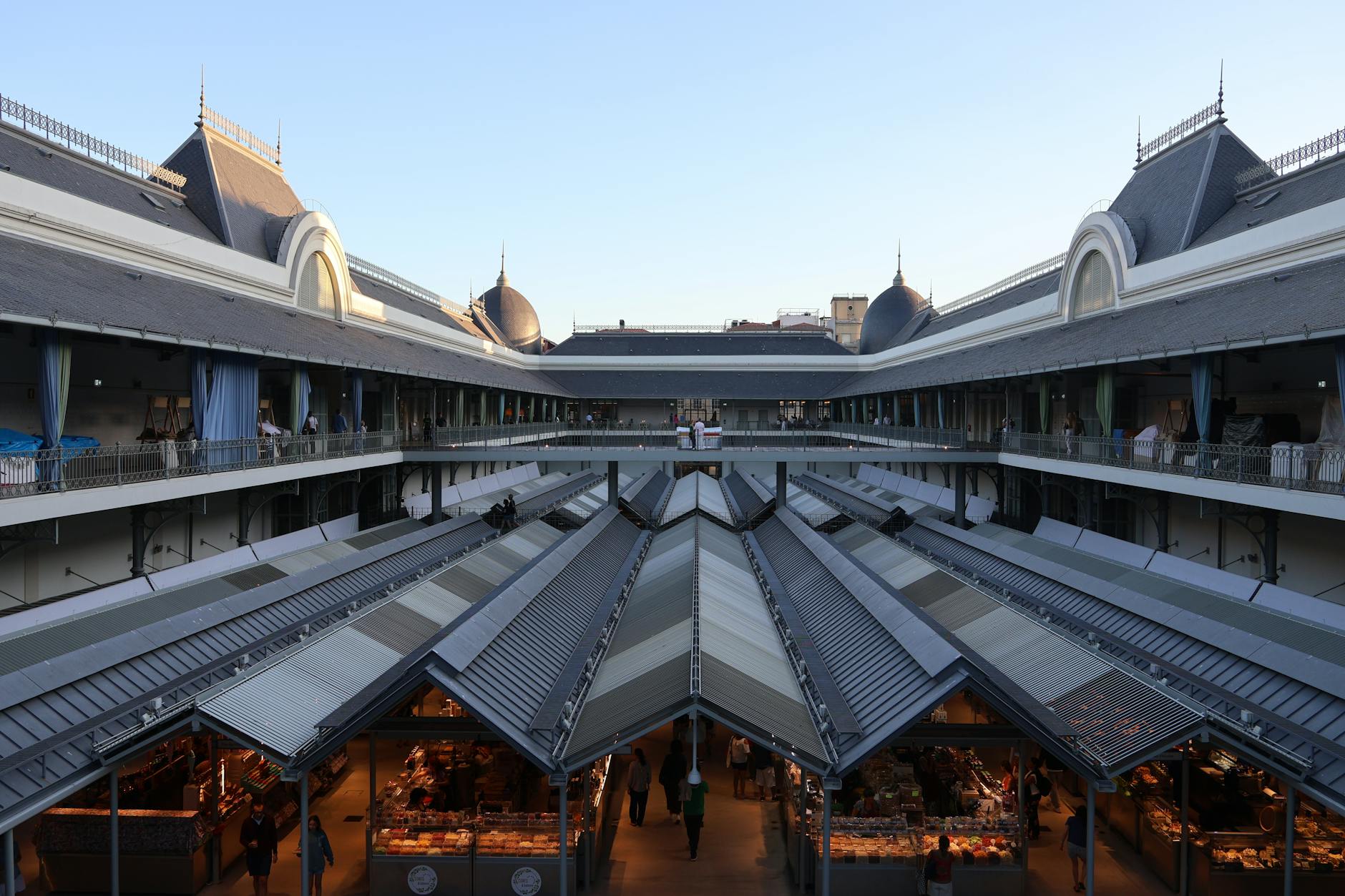
The economics drive much of this transformation. Food halls require fewer servers per passenger and eliminate the costs associated with formal table service, including specialized glassware, linens, and extensive wine programs. One industry analysis suggests cruise lines save approximately $35 per passenger per night by switching to casual dining formats.
Passenger spending patterns have also shifted toward experiences over formality. Food halls generate higher per-passenger revenue through specialty items and premium add-ons like sake tastings or chef’s table experiences. These venues encourage passengers to try multiple cuisines during a single meal, increasing overall food and beverage sales.
The change has created unexpected operational benefits. Ships no longer need to coordinate formal night photography sessions, formal wear rental programs, or the complex logistics of serving 3,000 passengers simultaneously in traditional dining rooms. Staff can be redistributed to other revenue-generating activities like spa services or excursion sales.
Resistance from Cruise Veterans
Longtime cruise passengers have organized online petitions demanding the return of formal nights, with some switching to smaller luxury lines that maintain traditional dining protocols. These premium cruise lines, including Regent Seven Seas and Silversea, have actually increased their formal night requirements, positioning themselves as alternatives for passengers seeking old-school cruise elegance.
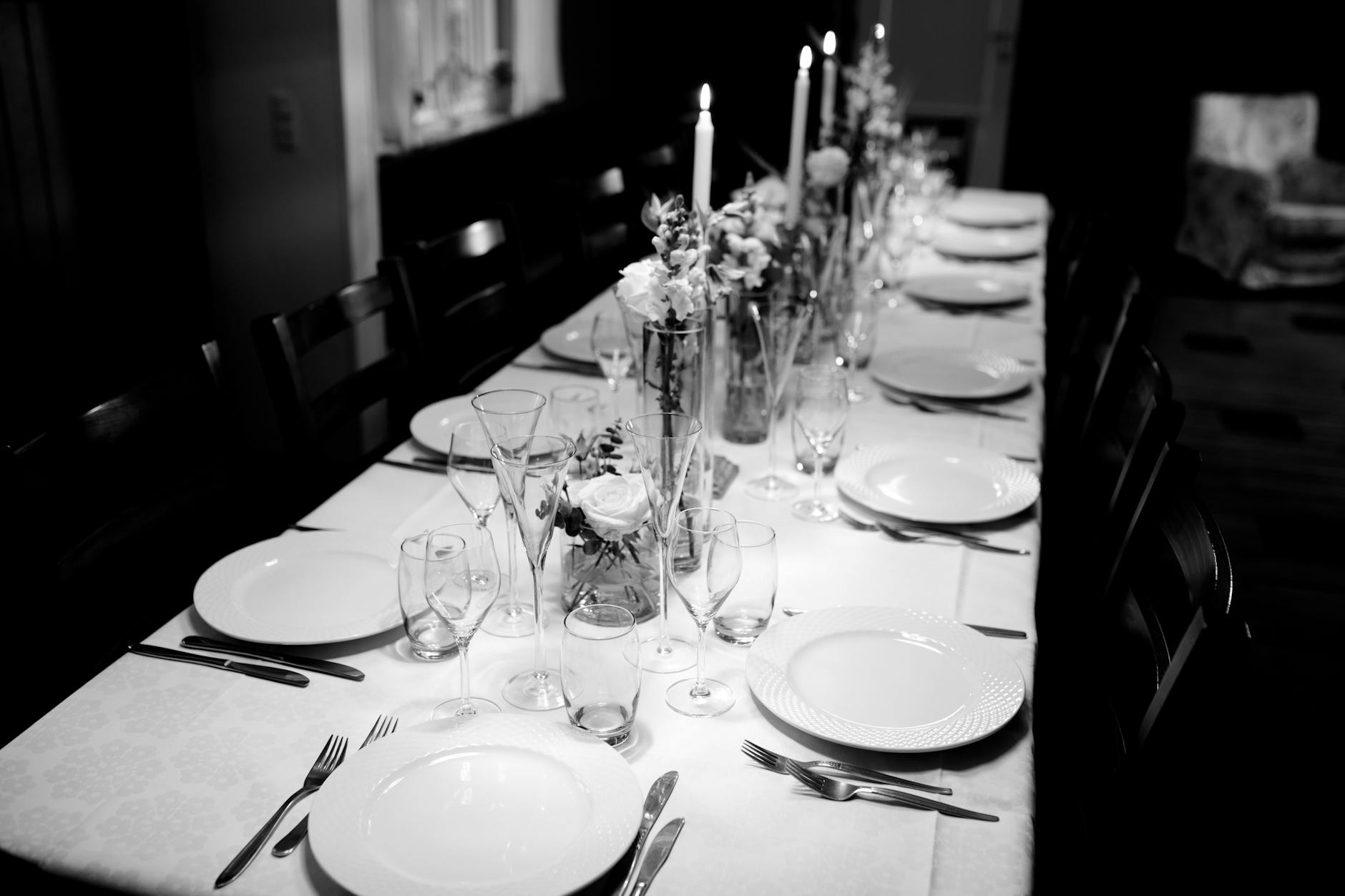
The resistance highlights a fundamental split in cruise passenger expectations. Luxury lines report that 85% of their passengers specifically choose cruises that maintain formal dining traditions, while mass-market lines find that 70% of passengers prefer casual dining options. This divide suggests the industry is permanently fracturing into distinct market segments rather than pursuing a universal approach.