Minimalist Packing Revolution: Living Out of One Carry-On for Extended Trips
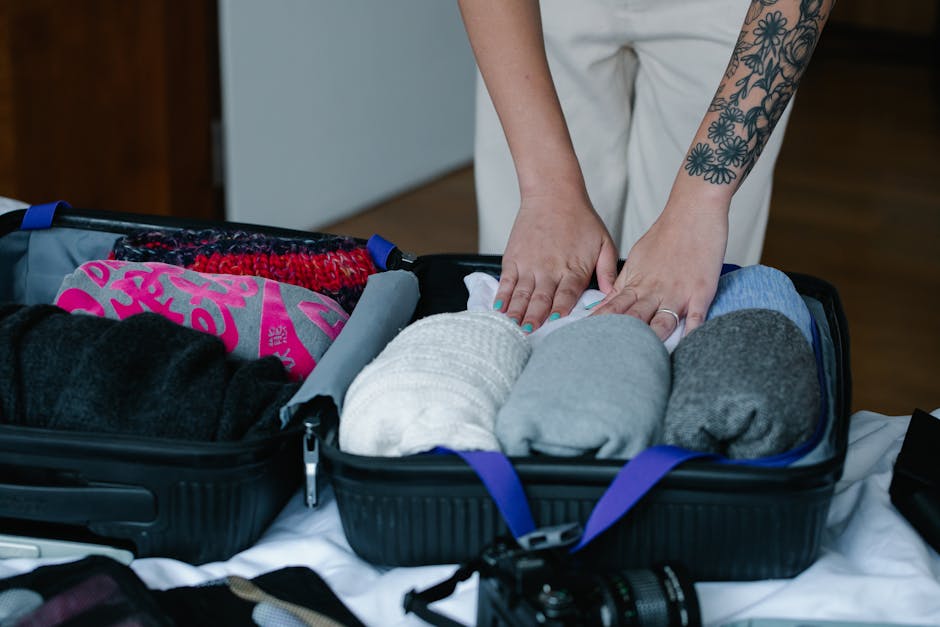
Three months in Southeast Asia. Six weeks backpacking through Europe. A digital nomad stint across South America. All with nothing but a 22-inch carry-on bag weighing less than 15 pounds.
This isn’t a fantasy—it’s the reality for thousands of minimalist travelers who’ve cracked the code on ultra-light packing. While most people struggle to fit a week’s worth of clothes into their suitcase, minimalist packers are redefining what it means to travel light in 2026. They’re proving that the secret to extended travel isn’t more luggage—it’s smarter packing.
The minimalist packing revolution has moved far beyond simply leaving items at home. It’s about strategic gear selection, multi-purpose items, and a complete mindset shift about what you actually need on the road.
The Essential Minimalist Packing Foundation
The 5-4-3-2-1 Rule
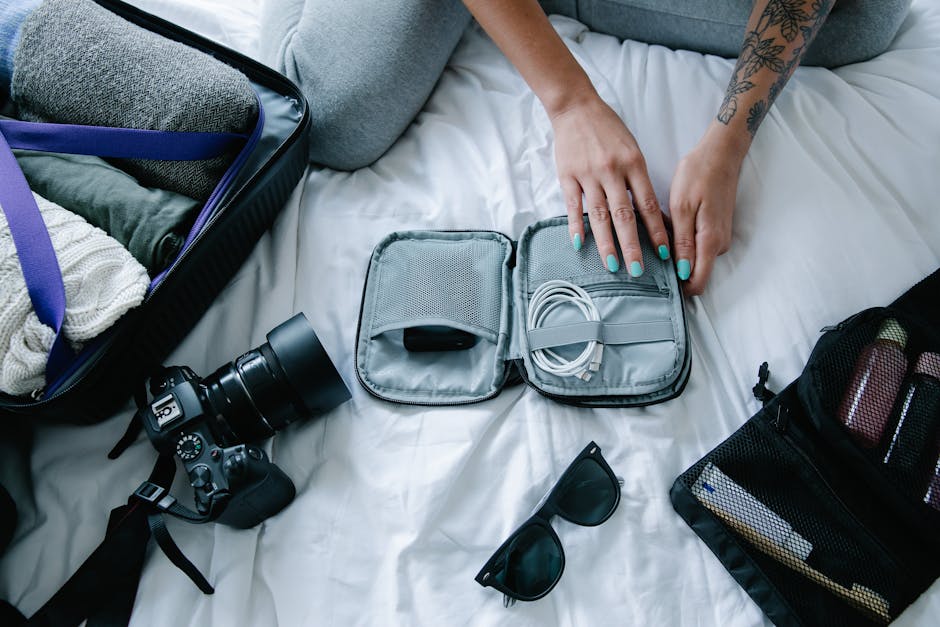
Successful one-bag travelers swear by this formula: 5 shirts, 4 pairs of underwear, 3 bottoms, 2 pairs of shoes, 1 jacket. This framework works because it ensures you have enough clothes for a full wash cycle while maintaining variety.
Sarah Martinez, a digital nomad who spent 2025 traveling through 23 countries with just a Peak Design Travel Backpack, breaks it down: “I pack five merino wool shirts that can be worn 3-4 times before washing. Four pairs of Uniqlo Airism underwear that dry overnight. Three bottoms—one pair of hiking pants, one pair of travel jeans, and one dress or shorts.”
The key is choosing fabrics that work harder. Merino wool naturally resists odors and wrinkles. Synthetic blends dry quickly and pack small. Cotton, the traditional travel fabric, has largely been abandoned by serious minimalist packers.
Multi-Purpose Gear Selection
Every item in a minimalist’s bag serves multiple functions. A sarong becomes a towel, blanket, privacy screen, and laundry bag. A packable down jacket serves as both outerwear and a pillow. Travel pants with zip-off legs eliminate the need for separate shorts.
The Patagonia Houdini jacket ($99) weighs just 3 ounces but provides wind and light rain protection while packing into its own pocket. The Outlier Slim Dungarees ($198) look like dress pants but offer the durability of technical fabric and the stretch of athletic wear.
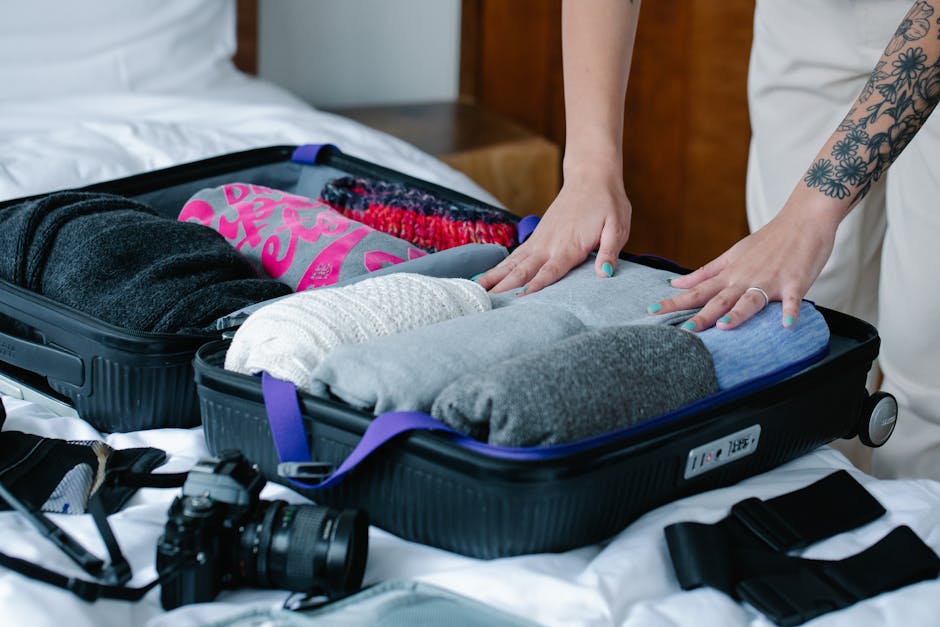
Tech consolidation proves equally crucial. A single USB-C charger can power laptop, phone, camera, and headphones. A portable battery pack with multiple outputs eliminates individual chargers. Many minimalist travelers rely on a smartphone with a quality camera app instead of carrying a separate camera.
Advanced Packing Strategies for Extended Travel
The Rotation System
Living out of one bag for months requires a systematic approach to clothing rotation. Most successful minimalist packers follow a three-pile system: clean clothes, worn once (can be worn again), and dirty clothes ready for washing.
This system works because you’re essentially carrying three days’ worth of clothes but stretching them across a week through strategic rewearing. Outer layers like jackets and pants can typically be worn multiple times, while base layers get washed more frequently.
Tom Chen, who spent eight months traveling through Africa with just a 35-liter Tortuga Setout bag, explains his rotation: “I wear each shirt twice, then wash. Pants get worn 4-5 times unless they’re visibly dirty. The jacket only gets washed monthly. This way, I’m only doing laundry twice a week maximum.”
Climate Adaptation Without Bulk
The biggest challenge for extended minimalist travel is adapting to different climates with the same limited wardrobe. The solution lies in layering systems and climate-specific swaps.
Base layers should work in all temperatures. Merino wool shirts and synthetic underwear function from tropical heat to mountain cold. The variation comes through mid-layers and outer shells.
For cold climates, a packable down jacket provides maximum warmth for minimal space. The Montbell Plasma 1000 Down Jacket weighs just 2.8 ounces but provides serious insulation. For hot, humid climates, lightweight linen-blend shirts and moisture-wicking underwear become essential.
Smart travelers also embrace local shopping for climate-specific needs. Buying a warm hat in Mongolia and leaving it behind is often more practical than carrying it through tropical Thailand.
Technology and Digital Minimalism
Modern minimalist packing extends beyond clothes into digital gear. A laptop, tablet, and smartphone often represent redundant functionality. Many 2026 minimalist travelers choose one primary device and build everything around it.
The iPad Pro with Magic Keyboard serves as laptop replacement for many digital nomads. It weighs 2.4 pounds total—half the weight of most laptops—while handling video editing, document creation, and professional communication.
Cloud storage eliminates the need for external drives. Services like Google Drive and Dropbox ensure access to files from any device. Physical books become Kindle downloads. Music collections live on Spotify.
The result is a tech setup that weighs under 3 pounds but provides full professional capability.
Making It Work Long-Term
Laundry Strategy and Hygiene
Extended minimalist travel requires efficient laundry management. Hand-washing becomes a regular routine, not an emergency measure. The Scrubba wash bag weighs 5 ounces but provides washing machine-level cleaning for small loads.
Quick-dry fabrics become non-negotiable for underwear and base layers. Merino wool socks and underwear from brands like Smartwool and Icebreaker can be worn multiple days and dry overnight when washed.
Many minimalist travelers embrace the “one nice outfit” rule—keeping one set of clothes specifically for nicer restaurants, business meetings, or cultural sites with dress codes. This outfit gets babied and only worn on special occasions.
The Psychology of Less
The mental shift to minimalist packing often proves more challenging than the physical logistics. Most people overpack due to anxiety about not having options. Minimalist packers overcome this by focusing on experiences over possessions and embracing the freedom that comes with less stuff.
Jessica Wong, who spent 14 months traveling with just a 30-liter backpack, describes the transformation: “The first month, I constantly worried about not having enough clothes. By month three, I realized I was wearing the same five outfits on repeat even when I had more options. Now I can’t imagine traveling any other way.”
Emergency Backup Plans
Even the most prepared minimalist packers need contingency plans. Key items wear out, get lost, or prove inadequate for unexpected situations.
Smart minimalists identify critical failure points and plan accordingly. They know where to buy replacement items in each destination. They carry backup essentials like an extra phone charger and one spare set of underwear. They research local clothing options before arrival.
The goal isn’t to eliminate all backup plans—it’s to minimize them while maintaining reasonable security.
Minimalist packing for extended travel isn’t about deprivation—it’s about precision. By choosing versatile, high-quality items and embracing strategic systems, you can maintain comfort and style while carrying everything you need in a single bag. The freedom of walking through airports without checking luggage, jumping on last-minute flights, and never worrying about lost bags makes every compromise worthwhile. Start with the 5-4-3-2-1 rule, invest in multi-purpose gear, and prepare for a travel experience that’s both liberating and surprisingly luxurious.