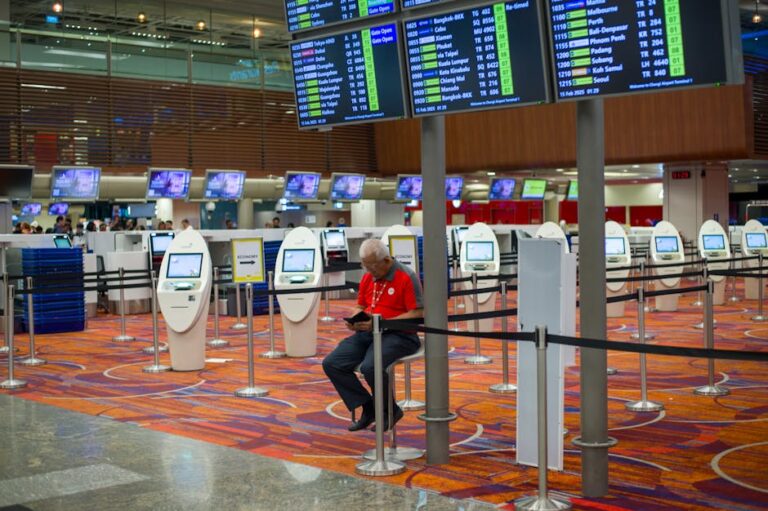
Sustainable Travel Hacks: How to Reduce Your Carbon Footprint in 2026
Air travel accounts for 2-3% of global carbon emissions, but for frequent travelers, it can represent 50% or more of their personal carbon footprint. The aviation industry promises net-zero emissions by 2050, but that timeline feels distant when you’re booking your next trip today.
The good news? Travel technology in 2026 has reached a tipping point. Electric aircraft now handle short-haul routes under 500 miles, sustainable aviation fuel (SAF) powers 15% of commercial flights, and carbon tracking has become as common as checking your bank balance. Smart travelers are leveraging these advances to cut their footprint in half without sacrificing experiences.

Choose Electric and Hybrid Transportation
Short-haul electric flights have revolutionized regional travel. Airlines like Eviation’s Alice and Heart Aerospace’s ES-19 now service routes between major cities within 300-500 miles. A flight from Los Angeles to San Francisco on United’s electric fleet produces zero direct emissions, compared to 180 kg CO2 on traditional aircraft.
Book these routes through specialized platforms like ElectricFlights.com or use airline filters on Expedia and Kayak. Electric flights cost 15-20% more but save 3-4 hours compared to high-speed rail.
For ground transportation, rental companies now stock 40% electric vehicles. Hertz, Enterprise, and Avis offer Tesla Model Y, BMW iX, and Ford Lightning pickups in major cities. Pre-book EVs for guaranteed availability and look for hotels with charging stations. Apps like ChargePoint and PlugShare show real-time charging availability along your route.
Hybrid Flight Options
Major airlines have introduced hybrid aircraft on medium-haul routes. Delta’s A320neo-H serves Atlanta to Miami with 35% lower emissions using sustainable aviation fuel and electric taxi systems. These flights cost the same as conventional options but require advance booking through airline websites.
Southwest’s 737 MAX-H covers routes like Austin to Denver with similar emission reductions. Filter for “hybrid” or “eco” flights when booking, or look for the green leaf symbol on airline booking pages.
Master Carbon-Efficient Booking Strategies
Flight booking has evolved beyond price comparison. Google Flights, Skyscanner, and Kayak now display CO2 emissions for each option. A direct flight from New York to London produces 1,100 kg CO2 per passenger, while a connection through Dublin adds 200-300 kg more.
Use Google’s “lowest emissions” filter to prioritize efficient aircraft. Newer planes like the A350 and 787 consume 25% less fuel than older models. Virgin Atlantic’s A350 from London to Los Angeles produces 2,200 kg CO2 versus 2,800 kg on older 747s.

Book premium economy when possible. The extra space costs 40-60% more than economy but generates only 20% additional emissions compared to business class’s 300% premium. Airlines allocate emissions per passenger based on seat space, making premium economy the sweet spot for comfort and sustainability.
Timing and Route Optimization
Fly during off-peak hours when airports use renewable energy. San Francisco, Amsterdam Schiphol, and Copenhagen airports run on 100% renewable power during daytime hours. Morning flights (6-10 AM) typically access cleaner grid energy.
Avoid Friday departures and Sunday returns when possible. Airlines pack more flights into these slots, leading to taxi delays that can add 15-20% to fuel consumption. Tuesday and Wednesday departures often use more efficient flight paths with less congestion.
Choose hub airports strategically. Frankfurt, Amsterdam, and Singapore have invested heavily in sustainable aviation fuel infrastructure. Connecting through these hubs increases your likelihood of flying on SAF-powered aircraft.
Leverage Carbon Tracking and Offset Technology
Personal carbon tracking apps have matured significantly. Capture (iOS/Android) automatically tracks flights, hotels, and ground transportation, providing weekly summaries and improvement suggestions. The app integrates with airline loyalty programs and suggests lower-emission alternatives for future trips.
TripCarbon syncs with your email to analyze booking confirmations and calculate accurate emissions. It accounts for aircraft type, routing efficiency, and load factors that generic calculators miss. The platform costs $4.99 monthly but pays for itself by identifying emission-heavy bookings before purchase.
For offsetting, avoid cheap forestry projects that take decades to mature. Gold Standard certified projects like direct air capture facilities in Iceland remove CO2 immediately. Climeworks offers verified offsets at $15-25 per ton, higher than forestry projects but with immediate impact.

Hotel and Accommodation Strategies
Hotel carbon intensity varies wildly. Marriott’s sustainability dashboard shows real-time energy usage at participating properties. The JW Marriott in Austin runs on 100% renewable energy, while older properties may rely on natural gas.
Use booking filters for certified green hotels. LEED Platinum properties like 1 Hotels in Brooklyn use 50% less energy than conventional hotels. Green Key certified accommodations in Europe meet strict environmental standards including renewable energy and waste reduction.
Airbnb’s carbon labeling shows estimated emissions per night. Urban apartments typically generate 8-12 kg CO2 daily, while houses in car-dependent suburbs can reach 25-30 kg from transportation needs alone.
Maximize Local Impact and Minimize Waste
Pack strategically to reduce flight weight. Every kilogram of luggage adds 0.5 kg CO2 to your flight’s emissions. Use packing cubes and limit yourself to essential items. Ship non-urgent items separately via ground transportation when staying longer than a week.
Choose destinations accessible by rail for portions of longer trips. Europe’s high-speed rail network now connects 40 major cities with 90% lower emissions than flying. Book Eurail passes through the official website for integrated ticketing across 33 countries.
Eat locally and minimize food waste. Restaurant portions in tourist areas often exceed reasonable sizes. Request half portions or share dishes to reduce food waste, which accounts for 8-10% of global emissions when including production, transportation, and disposal.
The most impactful change remains simple: travel less frequently but for longer durations. Two weeks in Southeast Asia generates 60% less emissions per day than four separate long weekends. Plan consolidated trips that combine business and leisure, or coordinate with friends and family to reduce redundant travel.
Start with one or two strategies from this guide rather than attempting everything at once. Track your baseline emissions for three months, then implement electric transportation options and carbon-efficient booking practices. The technology exists today to cut your travel footprint in half while maintaining the experiences that make travel worthwhile.