Uzbekistan’s Fergana Valley Attracts Silk Road Travelers Beyond Samarkand

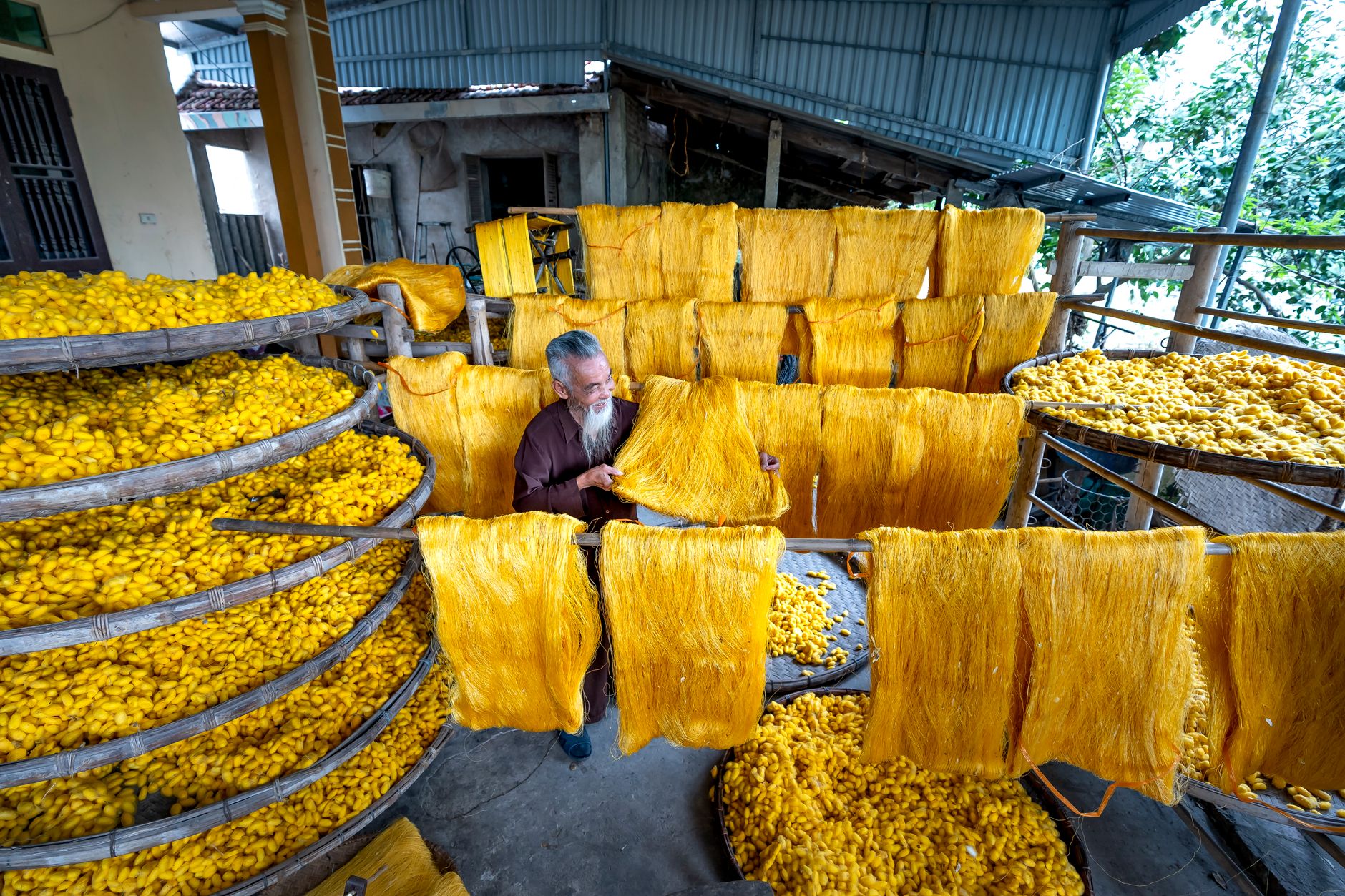
Samarkand gets the headlines, but the Fergana Valley – tucked into the eastern corner of Uzbekistan and bordered by Kyrgyzstan and Tajikistan – is quietly pulling a different kind of traveler. Not the two-day mosque circuit visitor, but the one who wants to stay longer, go slower, and actually watch a craftsman pull silk thread from a cocoon.
A Valley That Still Makes Things by Hand
The Fergana Valley has been a center of artisan production since the height of Silk Road trade, and that identity has not dissolved into tourism theater. In the city of Margilan, ikat silk weaving continues in workshops that have operated for generations. The fabric is still dyed using traditional resist-dye techniques, where threads are bound and dyed before weaving to create the blurred, jewel-toned patterns that made Fergana silk famous across Central Asia and the Middle East. A visitor can walk into an active workshop on almost any weekday and watch the entire process unfold – from the raw cocoon to the finished bolt of fabric.
Rishtan, a town roughly 35 kilometers west of Fergana city, holds a parallel reputation for ceramics. The blue-and-white glazed pottery produced here is distinctive for its use of local mineral pigments rather than synthetic dyes, a practice that gives the pieces a depth of color difficult to replicate elsewhere. Several family workshops accept visitors, and a small number of master potters teach short courses for travelers who want to work the clay themselves rather than just purchase the finished product.
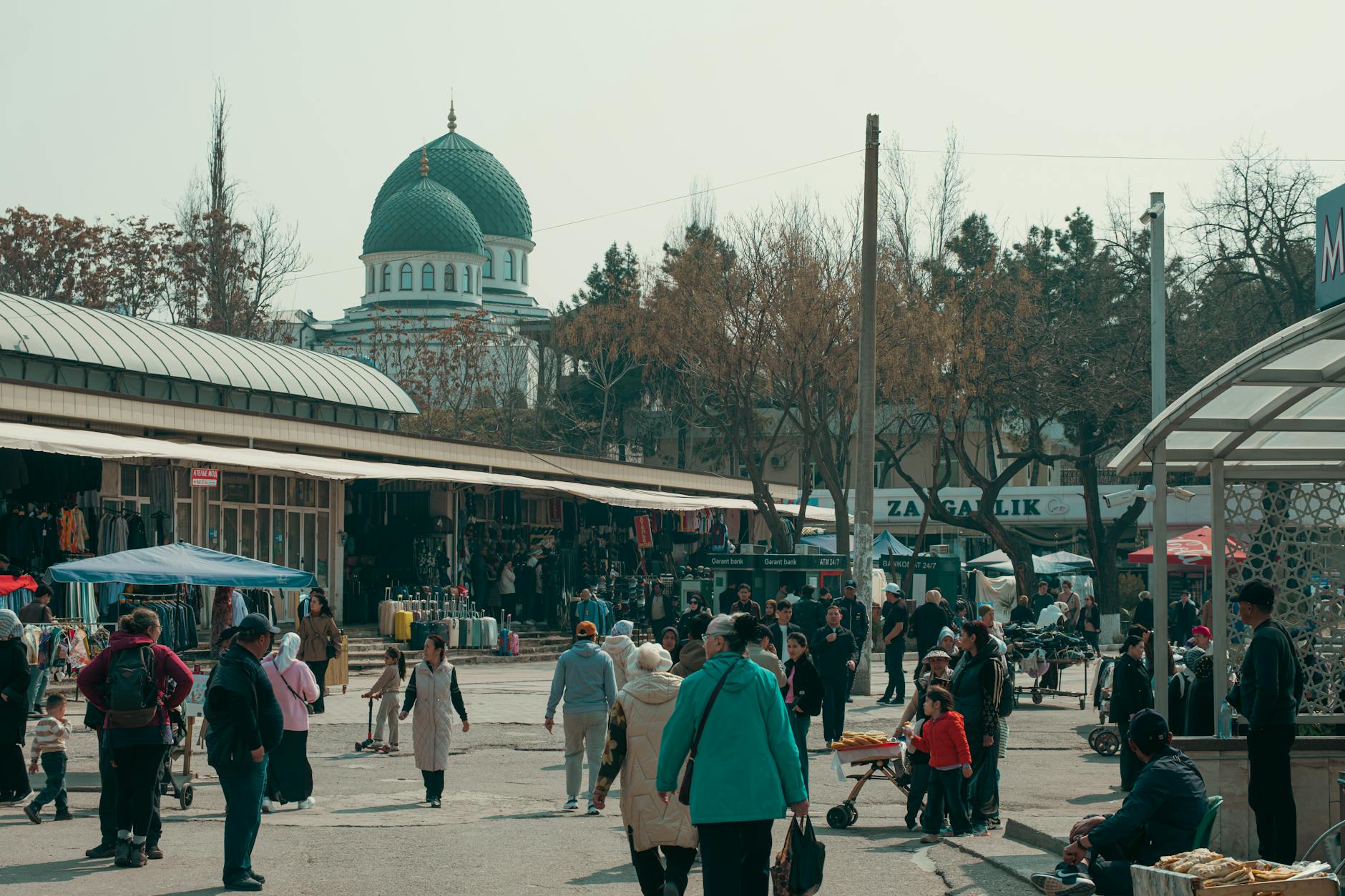
Kokand, the third city that anchors the valley’s cultural circuit, carries a heavier historical footprint. It was the capital of the Kokand Khanate until Russian imperial forces dismantled it in 1876, and the Khan’s Palace – Khudayar Khan’s former seat of power, built across multiple construction phases in the 19th century – survives as one of the more intact royal complexes in the region. The palace’s carved wooden columns and painted ceilings were restored in the Soviet period, which means they are visually striking if not entirely original. The nearby bazaar is less curated and more useful: locals shopping for spices, dried fruit, and household goods, with very few concessions to tour groups.
Andijan sits at the eastern end of the valley and sees almost no international visitors despite having the most contested modern history of any city in Uzbekistan. The 2005 massacre at Bobur Square – in which government forces opened fire on protesters – remains a sensitive subject, and its absence from official tourism narratives is deliberate. For travelers with an interest in recent Central Asian political history, the city offers a quieter, more complicated kind of encounter than the manicured monuments of Bukhara or Samarkand.
Getting There and Moving Between Cities
The valley is accessible by air, rail, and road, though each option comes with its own calculus. Uzbekistan Airways operates flights from Tashkent to Fergana city, and the journey takes under an hour – practical for travelers on a tight schedule but disconnected from the landscape in ways that matter when you are traveling a historic trade corridor. The train from Tashkent to Kokand takes around four hours and passes through the foothills of the Tian Shan range before descending into the valley floor, which is flat, agricultural, and densely populated in a way that feels genuinely different from the desert cities to the west.
Moving between the valley’s main cities by shared taxi is the fastest and cheapest local option. Marshrutka minibuses run the same routes but stop frequently. Neither is particularly comfortable over long distances, but both put travelers in direct contact with how ordinary Uzbeks navigate daily life in a region where the road infrastructure is better than in most of Central Asia but the distances are still real. Renting a car with a driver – easily arranged through most Fergana city hotels – gives more flexibility and is worth considering for anyone planning to reach villages like Shakhimardan, a mountain enclave south of Fergana city that is technically Uzbek territory surrounded by Kyrgyzstan and accessible only through a specific border arrangement.
Accommodation in the valley ranges from Soviet-era hotels that have been minimally updated to a growing number of small guesthouses operating out of converted family compounds. The guesthouse model is better suited to the way the valley works – breakfast is often included, owners tend to know which workshops are currently active and which have gone quiet, and the experience of staying in a working residential neighborhood rather than a hotel zone changes the texture of the trip considerably.
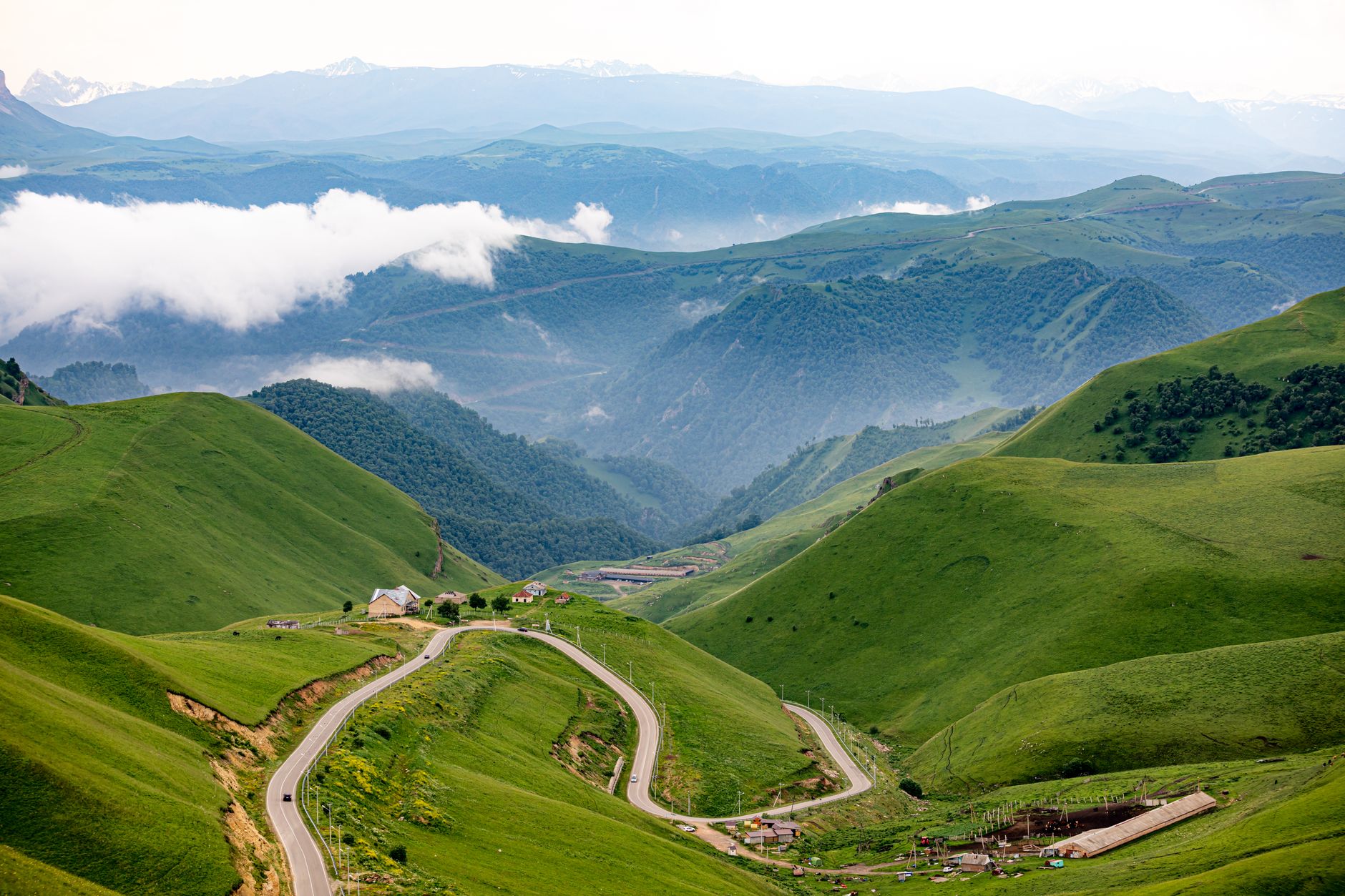
Cross-border movement is genuinely possible from the Fergana Valley, and this is one of the factors drawing more experienced Silk Road travelers. The Kyrgyz border near Osh is crossable by land, and the road through the Fergana range toward Tajikistan offers some of the more dramatic mountain scenery in the region. These crossings require advance planning – visa situations in Central Asia vary, and some border posts are closed to non-citizens of the relevant countries. Travelers who do the research, however, can build a valley-centered itinerary that connects Uzbekistan, Kyrgyzstan, and Tajikistan without doubling back through Tashkent.
The valley also sits within practical distance of other destinations where travelers are discovering that the less-promoted option often delivers a more authentic experience – a pattern playing out across slow-travel circuits globally. In the Fergana Valley’s case, the contrast with Samarkand is not about quality but about pace. Samarkand is managed for volume. The Fergana Valley is not, at least not yet.
What the Valley Demands of a Traveler
The Fergana Valley is not difficult, but it does require more initiative than a standard itinerary. Signage in English is sparse outside of Fergana city itself. Workshop visits often go better with a local fixer or guide who has existing relationships with artisan families – not because access is restricted, but because a cold approach in a working studio is a different experience than an introduction from someone who has visited before. The valley rewards travelers who have done basic research and are willing to navigate some ambiguity in exchange for encounters that feel less staged.
The best time to visit runs from April through June and again from September through October – the summer heat in the valley is intense, pushing above 40 degrees Celsius in July and August, and the agricultural landscape is at its most photogenic in spring when fruit orchards bloom across the flatlands. Mulberry season, which typically peaks in late May and early June, carries its own significance: mulberry leaves feed the silkworms that feed the workshops in Margilan, and the connection between the landscape and the craft is most visible when both are in active production at the same time.