
A Crater Lake That Rewrites the Ecuador Itinerary
Most travelers booking a trip to Ecuador build their entire schedule around the Galapagos Islands – the wildlife, the diving, the Charles Darwin Research Station. The mainland, by comparison, tends to get a long weekend at best. That calculus is starting to shift as the Quilotoa Loop, a multi-day trekking circuit in the central Andes, earns a reputation serious enough to pull hikers off the island boats and onto dirt trails at 12,000 feet.
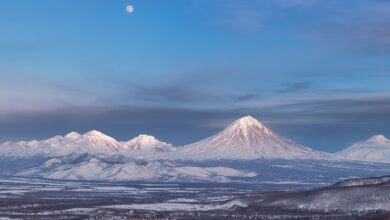
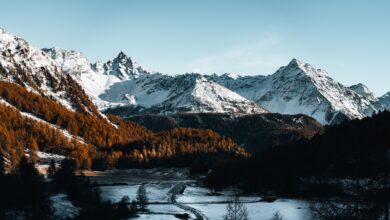
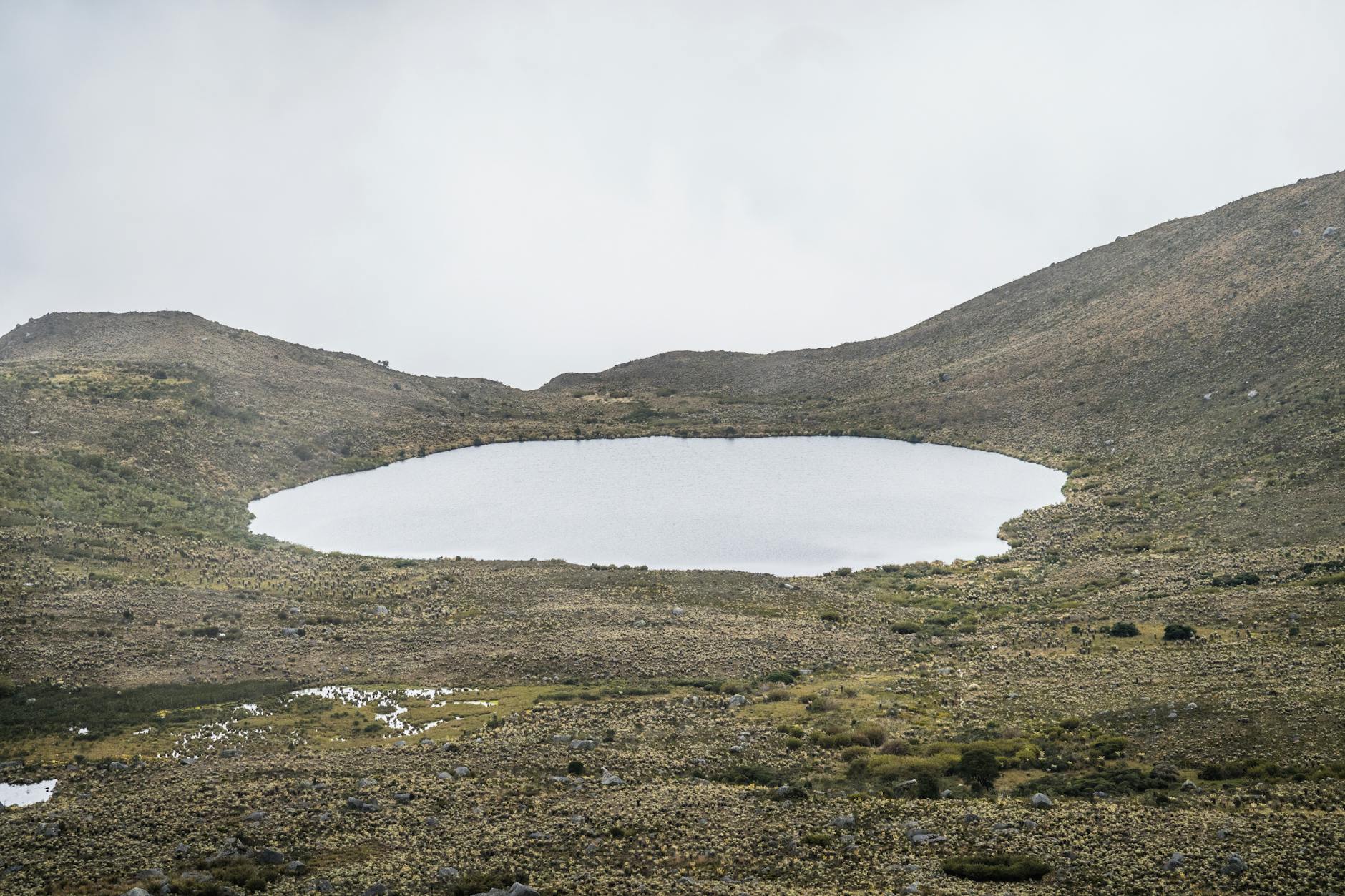
The loop centers on Quilotoa, a volcanic caldera whose crater holds a deep-green lake roughly three kilometers wide. The water shifts color with the light – turquoise by midday, a darker jade when clouds roll in from the west. Villages along the circuit, including Chugchilan, Isinlivi, and Sigchos, are connected by ridgeline paths that were trade routes long before anyone marketed them as a trek. The full circuit typically runs four to five days on foot, with shorter variations available for travelers with limited time.
The Route and What It Actually Demands
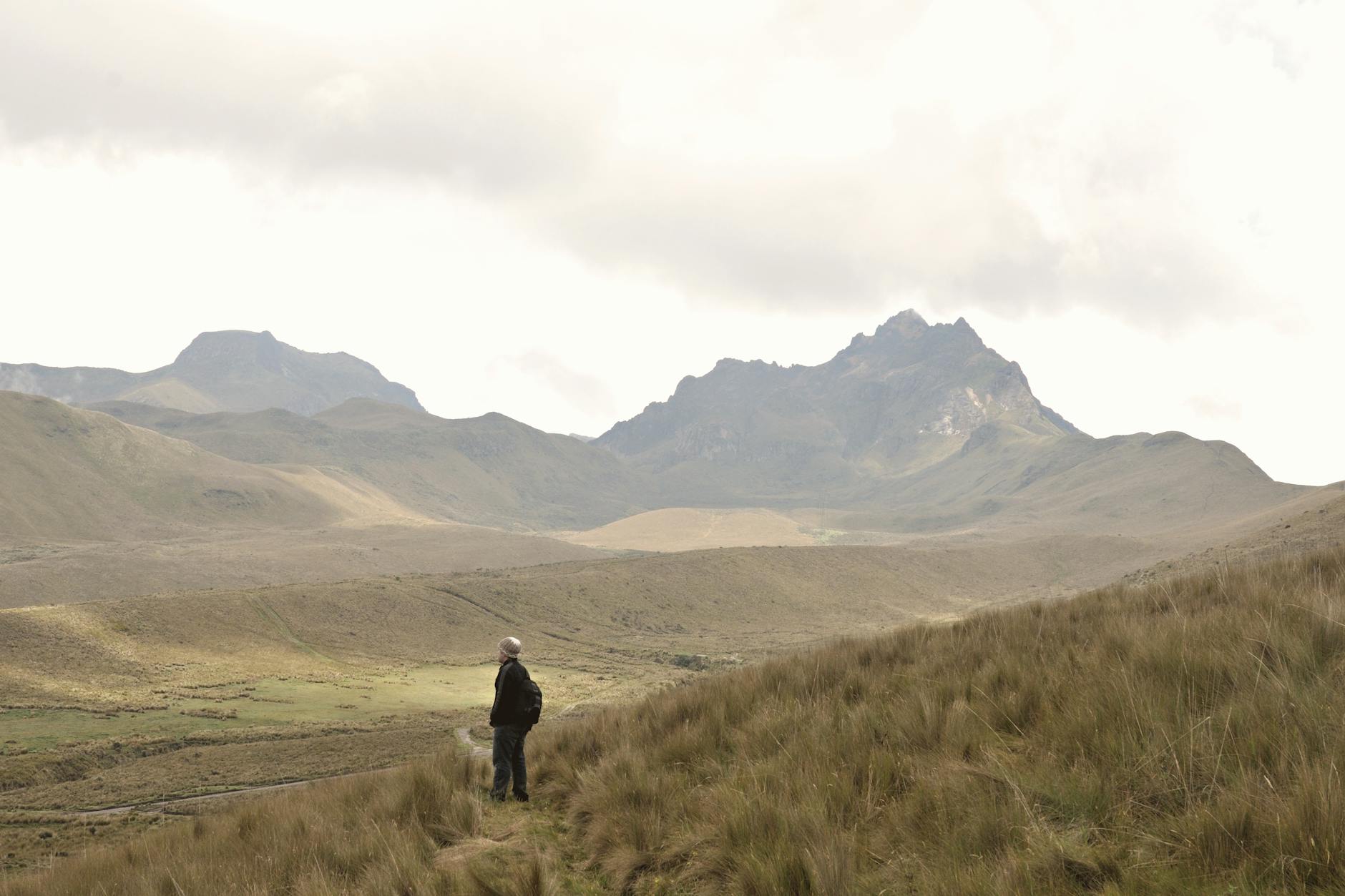
The Quilotoa Loop is not a technically difficult trek, but it is a physically demanding one. Altitude is the main variable. Most of the trail sits above 3,000 meters, with some sections pushing closer to 3,900. Acclimatization days in Quito or the market town of Latacunga – the standard staging point – matter more here than pace or fitness level. Hikers who skip that adjustment period tend to pay for it by day two, when the longer canyon descents and steep re-ascents combine with thin air in ways that no amount of training at sea level fully prepares for.
Trail conditions change significantly by season. The dry months running roughly from June through September offer the clearest skies and firmest footing, though afternoon fog is common year-round in the highlands. The wet season, November through April, turns some of the canyon paths into mud channels, but also fills the surrounding farmland with a vivid green that makes the landscape look almost artificial against the grey volcanic soil. Neither window is objectively better – they just produce different treks.
Most hikers move between villages carrying a daypack while small hostels or family-run guesthouses hold the rest of their gear or arrange mule transport for heavier loads. The accommodation along the loop is basic – wood-framed rooms, thick wool blankets, meals that run heavily toward potato-based soups and roasted corn – but that simplicity is part of what makes the circuit feel distinct from the more polished eco-lodge routes available elsewhere in South America. There is no resort at the end of the trail.
The Villages as the Actual Draw
Quilotoa the lake gets the photographs, but the villages are why trekkers come back. Chugchilan sits in a valley below the Toachi River canyon and operates at a pace that feels genuinely unhurried rather than performed for visitors. The community has invested in small textile workshops where travelers can watch the production of traditional woven pieces – not as a staged cultural demonstration, but as an active business that happens to be visible. Buying directly from the workshop has a different weight than buying the same item from an airport stall in Quito.
Isinlivi, smaller and higher, is known for its woodcarving tradition. The pieces range from utilitarian kitchen tools to detailed religious figures, and prices are set by the makers themselves rather than through any intermediary. These are not tourist markets engineered to feel authentic – they are local economies that happen to be accessible to anyone willing to walk the trail to reach them.
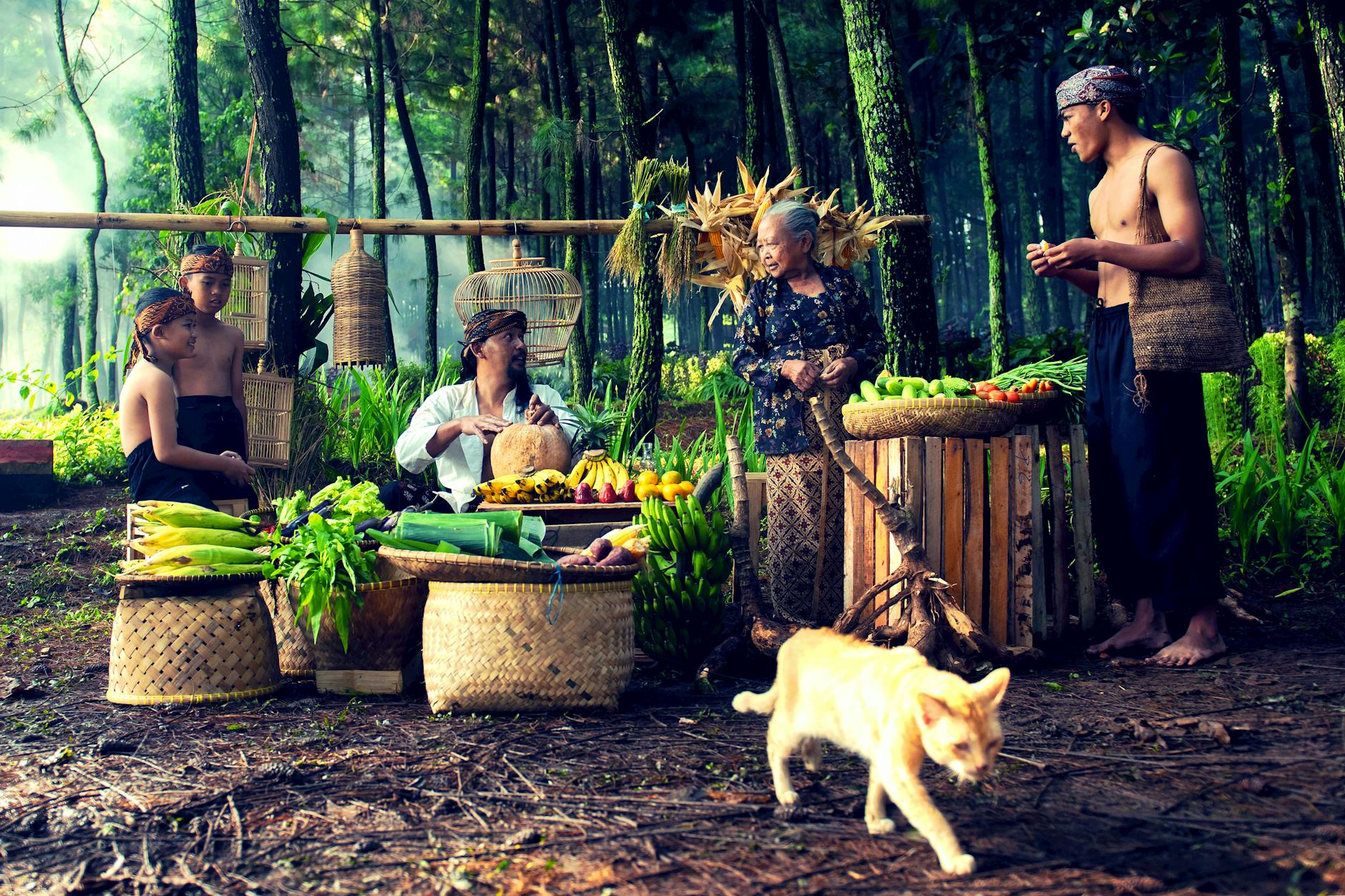
The indigenous Kichwa communities throughout the loop have maintained a level of cultural continuity that makes the region unusual even by Andean standards. The Saturday market in Zumbahua, reachable as a side trip from the caldera, operates almost entirely for local commerce – produce, livestock, tools – with travelers as peripheral spectators rather than the intended audience. Showing up early, before 9 a.m., means arriving before that balance tips.
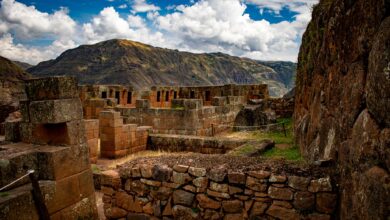
That cultural texture is what separates the Quilotoa Loop from many heavily trafficked Andean routes. The Inca Trail in Peru delivers extraordinary scenery and a famous endpoint, but the trail itself has become so managed – permits, regulated campsites, licensed agencies – that the experience is partly one of logistics. Quilotoa remains loosely structured by comparison. A trekker can extend a stay in a village, take an unmarked shortcut down a canyon wall, or skip a section entirely and catch a local bus between stops without consequence. The route accommodates improvisation.
Getting There and Managing the Logistics
Latacunga is the practical base, roughly two hours south of Quito by bus or shuttle. From Latacunga, direct transportation to the Quilotoa crater rim runs daily, with service concentrated in the morning. Most hikers start at the rim and move counter-clockwise through the villages, finishing in Sigchos and busing back to Latacunga – though the direction can be reversed without much difficulty, and a number of trekkers begin in Isinlivi to spread altitude gain more gradually.
Guided options exist but are far from required. The trail between villages is marked well enough that navigational errors are rare in clear weather, and locals along the route are accustomed to redirecting hikers who miss a turn. Independent travel here costs a fraction of what a guided package runs, and the difference in experience is minimal for anyone with basic outdoor confidence. The main argument for a guide is language – Spanish is helpful along the loop, and Kichwa is the primary language in some of the smaller settlements. A guide who speaks both opens conversations that a solo English-speaking traveler might not otherwise access.
Quilotoa has been drawing a steady trickle of trekkers for years, but coverage outside specialized hiking publications has remained thin. That is changing. Travel forums in Spanish, German, and French show a noticeable uptick in detailed trip reports from 2023 onward, with recurring mentions of the loop as a reason to extend an Ecuador trip beyond the Galapagos rather than treat the mainland as a brief stopover. Budget travelers, in particular, note that the full circuit including transportation, accommodation, and food can run under $200 – a figure that compares favorably with almost any comparable multi-day trek in the region. Whether the trail’s infrastructure can absorb significantly more foot traffic without losing what makes it worth walking is a question the route hasn’t had to answer yet.