
The Road That Winds Away from the Shore
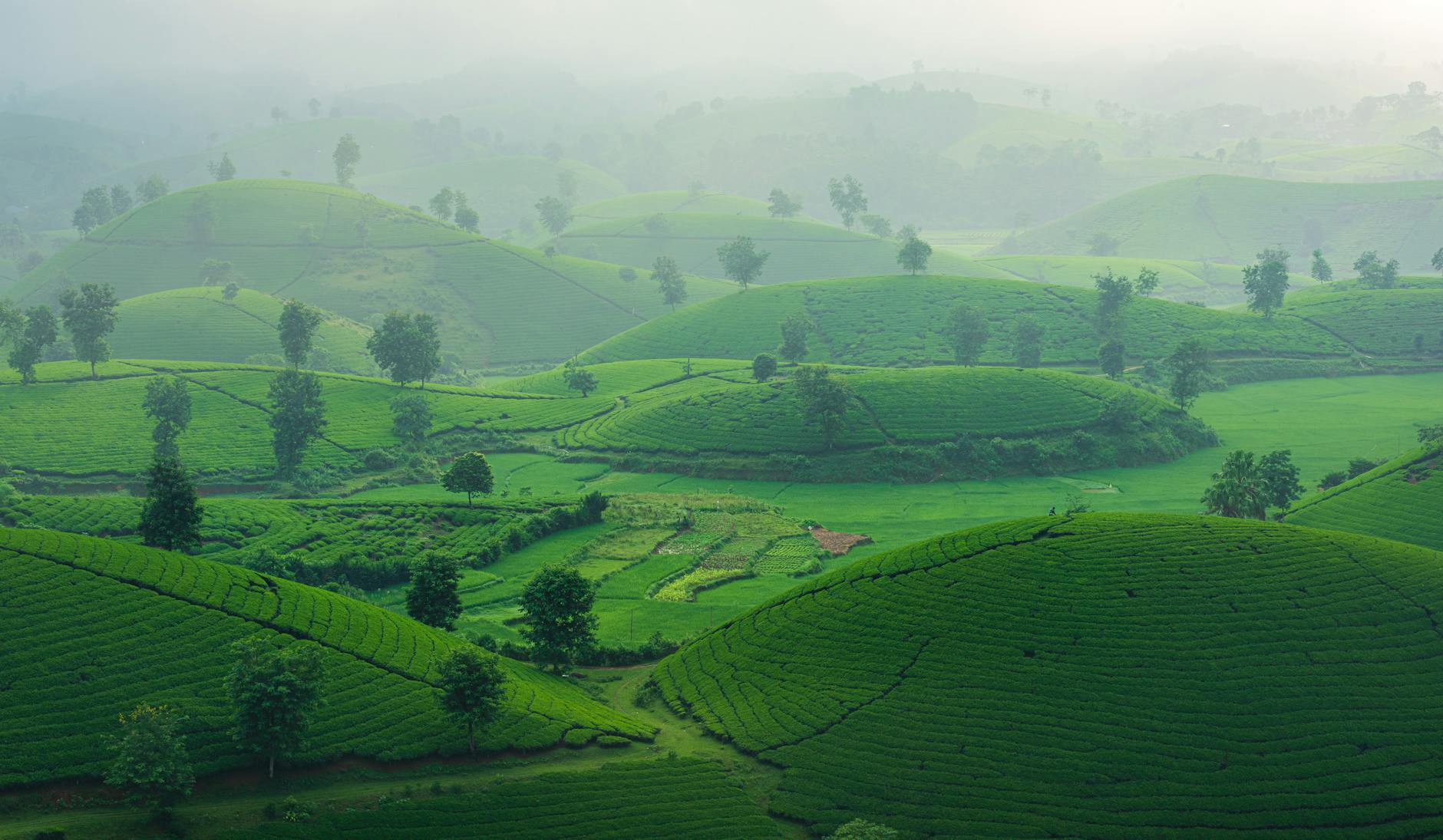
Sri Lanka’s southern beaches have long been the default stop for visitors who land in Colombo, spend a few days in the capital, then head straight for Mirissa or Unawatuna. The formula works, and the coastline delivers. But a growing number of travelers are peeling off that circuit entirely, turning inland toward the central highlands where the air cools noticeably after dark and the landscape shifts from palm-fringed flatlands to steep, mist-covered ridges carpeted in tea.
The Hill Country – a loose term covering Kandy, Ella, Nuwara Eliya, and the valleys and villages between them – has always existed on the tourist map. What’s changed is the type of traveler arriving there, and how long they’re staying.
Slow travel, broadly understood as spending more time in fewer places, fits the highlands better than almost anywhere else on the island.
Why the Highlands Reward Extended Stays
The practical case for slowing down in the Hill Country starts with elevation. Nuwara Eliya sits above 1,800 meters, which means midday temperatures in the low twenties even during Sri Lanka’s hottest months. For travelers arriving from the humid coast, the shift is physical, not just scenic. The body relaxes differently at altitude. Mornings are genuinely cold enough for a jacket, which changes how you move through a day entirely.
The tea estates that blanket the hillsides around Hatton and Dickoya are not just photography backdrops. Many of them still operate working factories that accept visitors during processing hours, and a handful of colonial-era bungalows on estate grounds have been converted into accommodation where guests wake to the sound of pluckers moving through the rows at first light. Staying inside an estate – rather than driving through one – produces a completely different understanding of how the industry actually functions. The sorting floors, the withering racks, the grading rooms: none of it makes sense in under an hour.
The train between Kandy and Ella remains one of the more discussed rail journeys in South Asia, frequently photographed at the Nine Arch Bridge near Demodara. What gets less attention is the behavior of the light through those carriage windows on a clear morning, the way fog sits in the valley floors at dawn before the sun burns it off, and the stops at minor stations where vendors board with fresh-cut pineapple and paper bags of roasted peanuts. The journey takes between six and seven hours depending on the service, and that length is the point.
What Slow Travelers Are Actually Doing Up There
The Hill Country has developed a quiet infrastructure for travelers who aren’t in a rush. Ella, in particular, has shifted in character over the past decade. What was once a backpacker corridor of cheap guesthouses and banana pancake cafes now mixes those with boutique properties tucked into the slopes above town, small-batch coffee roasters, and a restaurant scene that draws on both Sri Lankan cooking traditions and the kind of ingredient focus you’d expect from somewhere with extraordinary access to fresh produce. The high altitude farms around Nuwara Eliya supply strawberries, carrots, leeks, and cabbages that bear no resemblance to what you’ll find at lower elevations.
Hiking culture has taken hold seriously. The walk up Little Adam’s Peak above Ella is easy enough to do before breakfast and crowded by midday, but the routes beyond it – toward Namunukula or through the Knuckles Mountain Range north of Kandy – require planning, a local guide, and a willingness to be genuinely far from anything. The Knuckles range in particular, a UNESCO-listed zone of cloud forest and endemic wildlife, sees a fraction of the visitor numbers that the Ella area attracts, and the trails there involve river crossings, leeches, and views that have no social media competition because almost nobody photographs them.
Kandy anchors the western edge of the highland circuit and operates at a different pace from the smaller hill towns. The city has genuine cultural weight: the Temple of the Tooth draws worshippers three times daily, and the evening puja ceremony is not performed for tourists but happens to include them. The lake at the city’s center is walkable in under thirty minutes and flanked by old colonial buildings, a market, and tea shops where conversations tend to run long. Travelers who give Kandy more than a single night usually find that the city opens up in layers.
The Question of Timing and Access
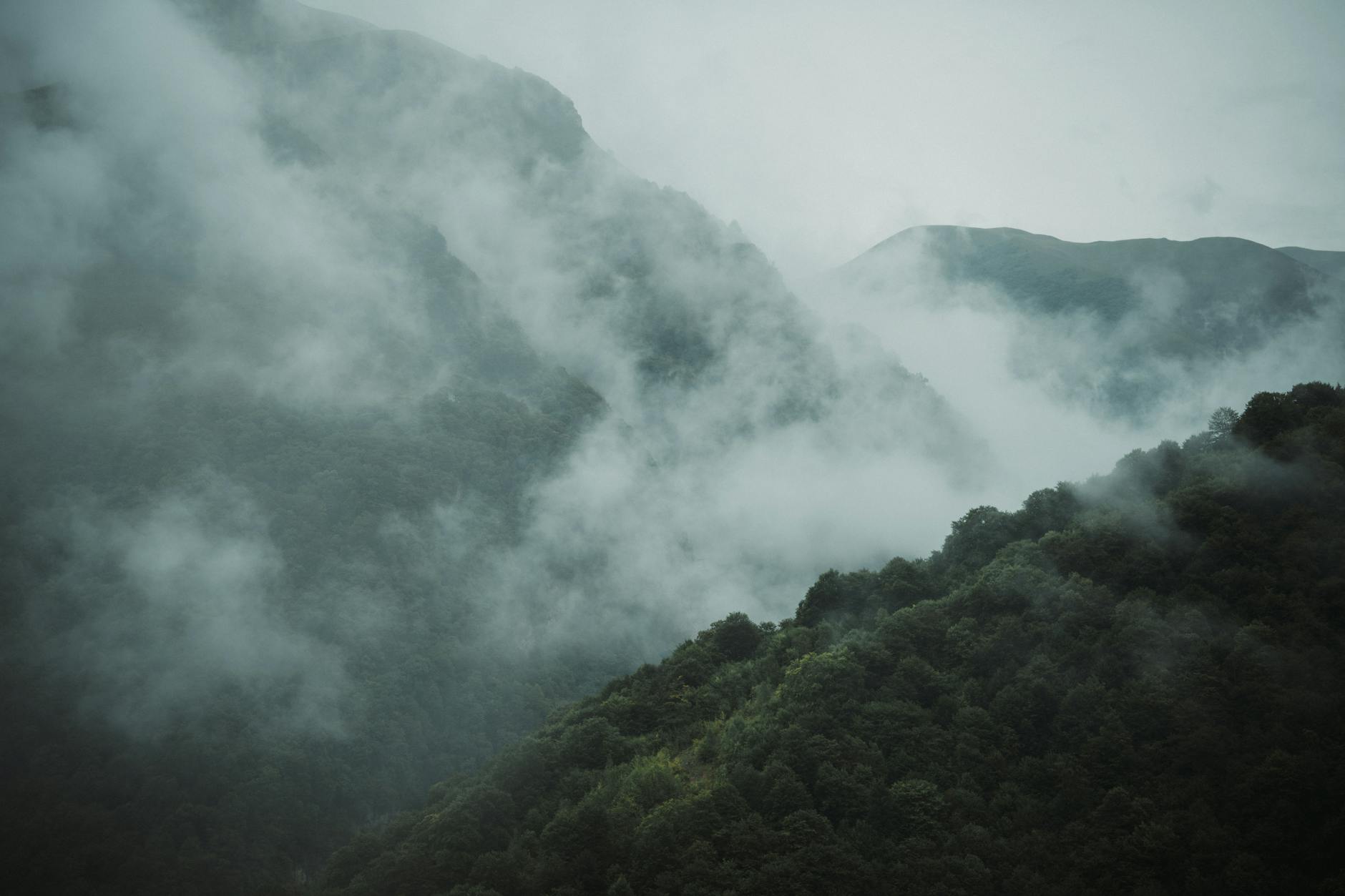
The Hill Country’s weather runs on its own schedule, separate from the coastal monsoon patterns that most Sri Lanka itineraries are built around. The highlands receive rainfall from both the southwest monsoon between May and September and the northeast monsoon between October and January, meaning there is no single dry season that applies cleanly across the whole region. The clearest windows tend to be February through April and, briefly, August – but a morning of heavy mist followed by sharp afternoon light is entirely normal throughout the year, and many travelers consider that atmospheric range part of the draw rather than an obstacle. The tea estates actually look their most saturated green in the weeks after rain, and the waterfalls that spill off the escarpments near Horton Plains run hardest in the wet months, when visitor numbers are lowest and the prices in the guesthouses drop noticeably. Horton Plains itself – a high, windswept plateau where the edge drops away at World’s End in a sheer cliff of several hundred meters – is best visited early, before the clouds close in around nine or ten in the morning. The park entrance opens at six, and the walk to both World’s End and Baker’s Falls takes around three hours at a relaxed pace. Those who arrive at eight find solitude; those who arrive at ten find a crowd and a wall of white.