
Medellín gets the headlines, the Netflix documentaries, and the Instagram traffic. Meanwhile, about three hours west by road, Colombia’s Coffee Region – known locally as the Eje Cafetero – has been quietly building something that city-focused tourists keep missing: a boutique travel circuit with genuine character, farm-to-cup culture, and Andean landscapes that require no filter to look extraordinary.
Why the Coffee Region Is Having Its Moment
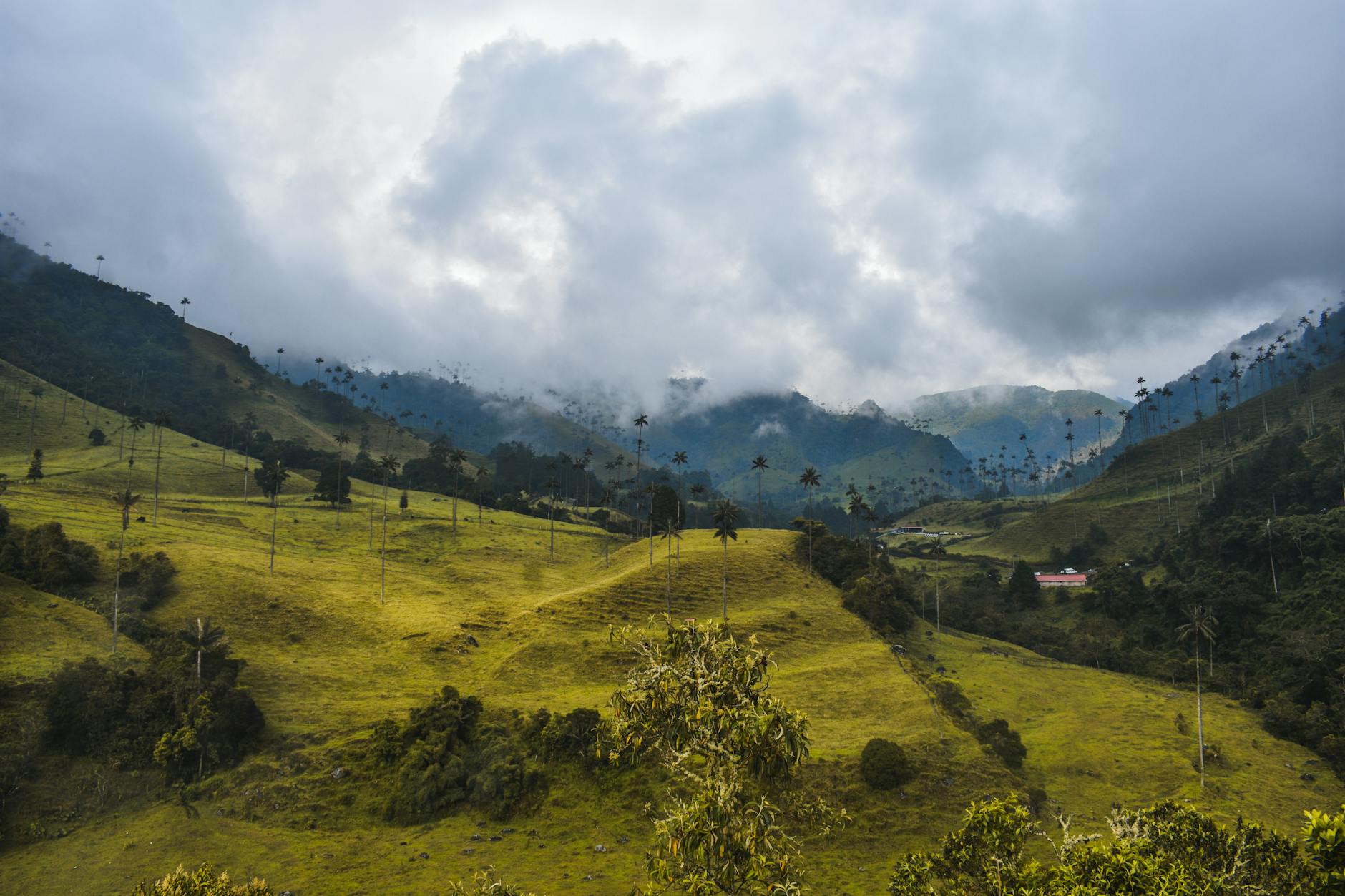
The Eje Cafetero covers the departments of Caldas, Quindío, and Risaralda, anchored by cities like Manizales, Armenia, and Pereira. But the real draw isn’t urban – it’s the countryside between them. Wax palms tower over the Cocora Valley like something out of a Tolkien landscape. UNESCO recognized the coffee cultural landscape here in 2011, acknowledging not just the agriculture but the entire way of life that has grown around it. That recognition has aged well. What it signaled then, boutique travelers are only now acting on.
The region’s rise as a travel destination tracks closely with a broader shift in how independent travelers think about Colombia. Medellín earned its rehabilitation story. Cartagena has long been the postcard. But the Coffee Region offers something harder to package and therefore more appealing to a certain kind of traveler – the kind who wants to stay in a working finca, eat what the family grows, and understand the supply chain of the espresso they drink every morning at home. That kind of immersion doesn’t scale easily, and the region has been slow enough to develop that it hasn’t needed to.
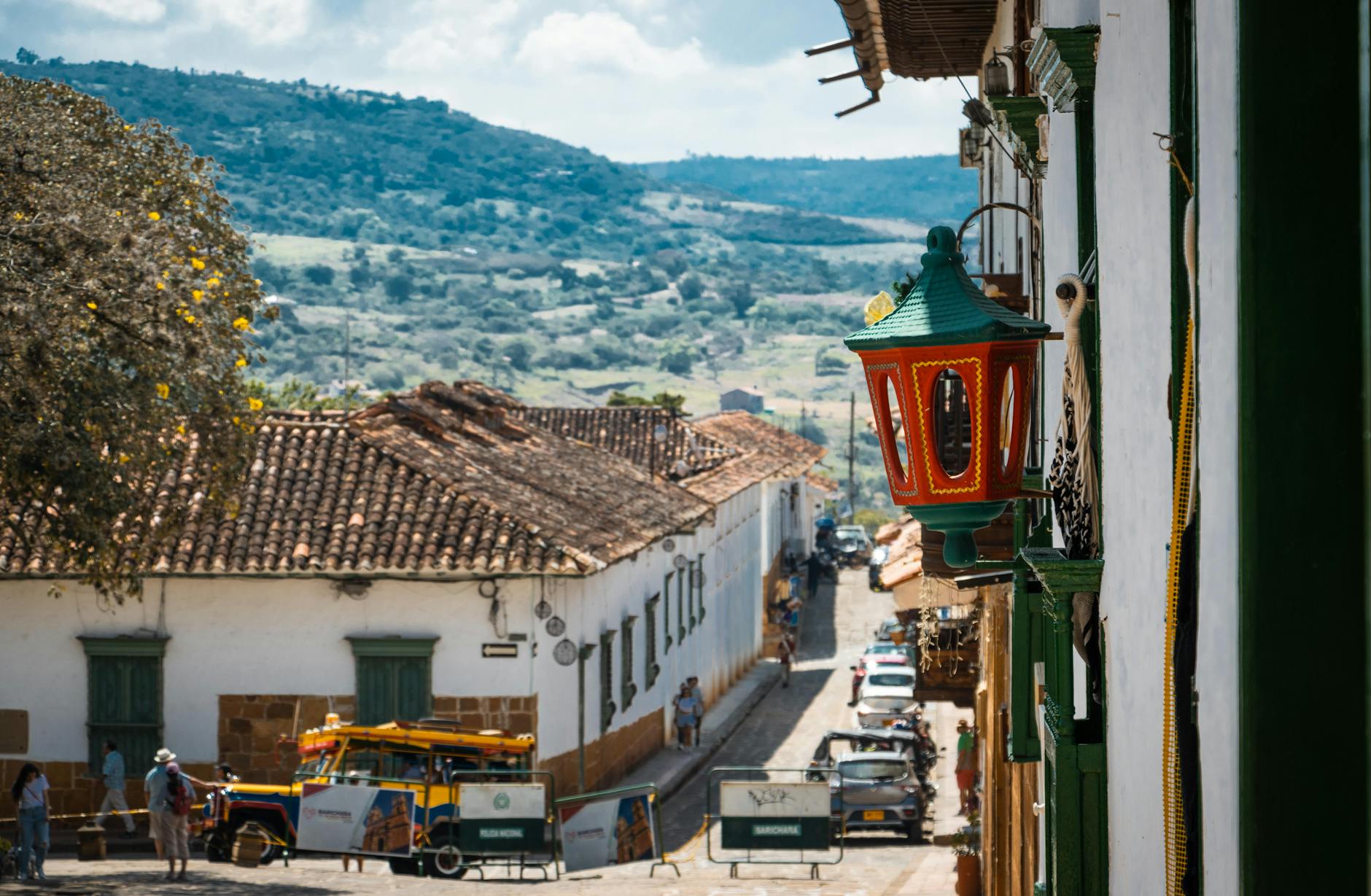
Salento, a small town in Quindío, has become the de facto base for travelers entering the circuit. Its colonial architecture is well-preserved, its streets are narrow enough to walk end-to-end in twenty minutes, and its proximity to the Cocora Valley makes it the kind of place where people arrive planning to stay two nights and leave five days later. The town has developed a small but confident hospitality scene – boutique hostels, specialty coffee bars, and restaurants that use regional produce without making it a performance. It avoids the self-conscious artisanal energy that can make places like this feel like theme parks.
Filandia, another small town nearby, is drawing visitors looking to avoid even the modest crowds Salento now pulls on weekends. Smaller, quieter, and with a mirador that looks out over the valley, it represents the region’s capacity to offer alternatives within alternatives. The pattern holds across the Eje Cafetero – every time one town tips toward discovery, another is sitting just down the road, barely touched.
The Finca Experience That Sets This Region Apart
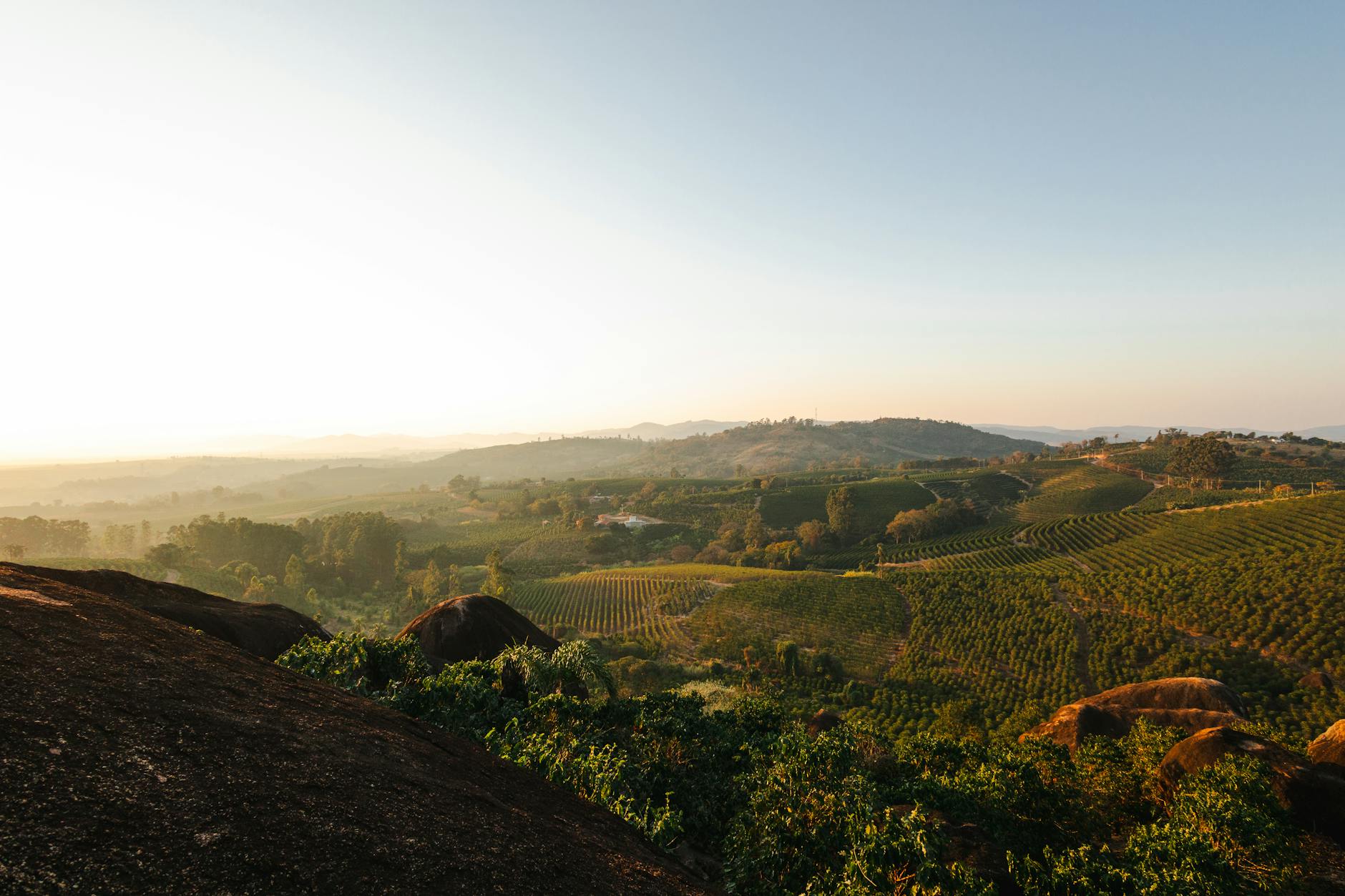
The accommodation model that defines the Coffee Region isn’t a hotel trend – it’s an extension of how the land has always been used. Fincas, the family-owned coffee farms that cover the hillsides, have been opening their doors to travelers not as a marketing strategy but as an economic adaptation. When global coffee prices fluctuate, tourism provides stability. That practical origin gives finca stays an authenticity that manufactured agritourism rarely achieves. Guests aren’t consuming a staged version of rural life. They’re participating, however briefly, in one that actually exists.
A typical finca stay means waking before the heat sets in, walking the coffee plants with someone whose grandparents planted the original trees, and learning to identify ripe cherries by touch. The processing – washing, drying, milling – happens on-site at many farms, and watching green coffee become something recognizable is its own kind of education. For travelers who have spent years treating coffee as a morning habit rather than an agricultural product, the experience reorders things. It’s difficult to drink a cup the same way afterward.
The food at fincas tends toward the traditional without apology. Bandeja paisa – the loaded regional platter of beans, rice, chicharrón, egg, and plantain – appears in some form at nearly every table. Fresh-squeezed juices made from fruits that don’t export well, like lulo and tomate de árbol, show up at breakfast. The cooking isn’t innovative in the way that draws food media attention, but it’s deeply local in a way that destination restaurants often spend years and considerable money trying to approximate.
Some fincas have added touches that make them competitive with more conventional boutique properties: hammock terraces overlooking the valley, outdoor showers with mountain views, curated coffee tasting sessions that rival anything a specialty roaster in Brooklyn or East London would offer. But the ceiling on luxury here is deliberately low. The region hasn’t attracted the kind of investment that transforms fincas into resorts, and that restraint – whether intentional or economic – is exactly what makes the experience work.
For travelers who have already explored Colombia’s cities and want a reason to return, the Coffee Region delivers a version of the country that feels structurally different. The pace is slower, the scale is human, and the connection to place is direct rather than mediated by nightlife or street food tours. It sits in the same mental category as Tanzania’s Usambara Mountains – regions that reward travelers willing to look past the headline destination in the same country.
Getting There and Getting the Timing Right
The Coffee Region is accessible from Medellín by road in roughly three hours, or from Bogotá in a similar window via either driving or a short domestic flight into Armenia or Pereira. Neither airport is large, but both handle regular service from the major Colombian cities. The road from Medellín, specifically the stretch through the mountains before the descent into coffee country, is itself a reason to rent a car rather than take a bus – the views through the cloud forest are the kind that stop conversation mid-sentence.
The dry seasons, running roughly December through February and June through August, bring clearer skies and easier access to the Cocora Valley trails. But the Coffee Region’s green is a product of its rain, and traveling in the shoulder months means thinner crowds and a landscape that looks genuinely alive. The harvest season, typically from October through January depending on elevation and farm, adds another layer to a visit – the farms run at full energy, and the cherries on the hillsides turn the whole region into something that doesn’t look quite real until you’re standing in the middle of it.