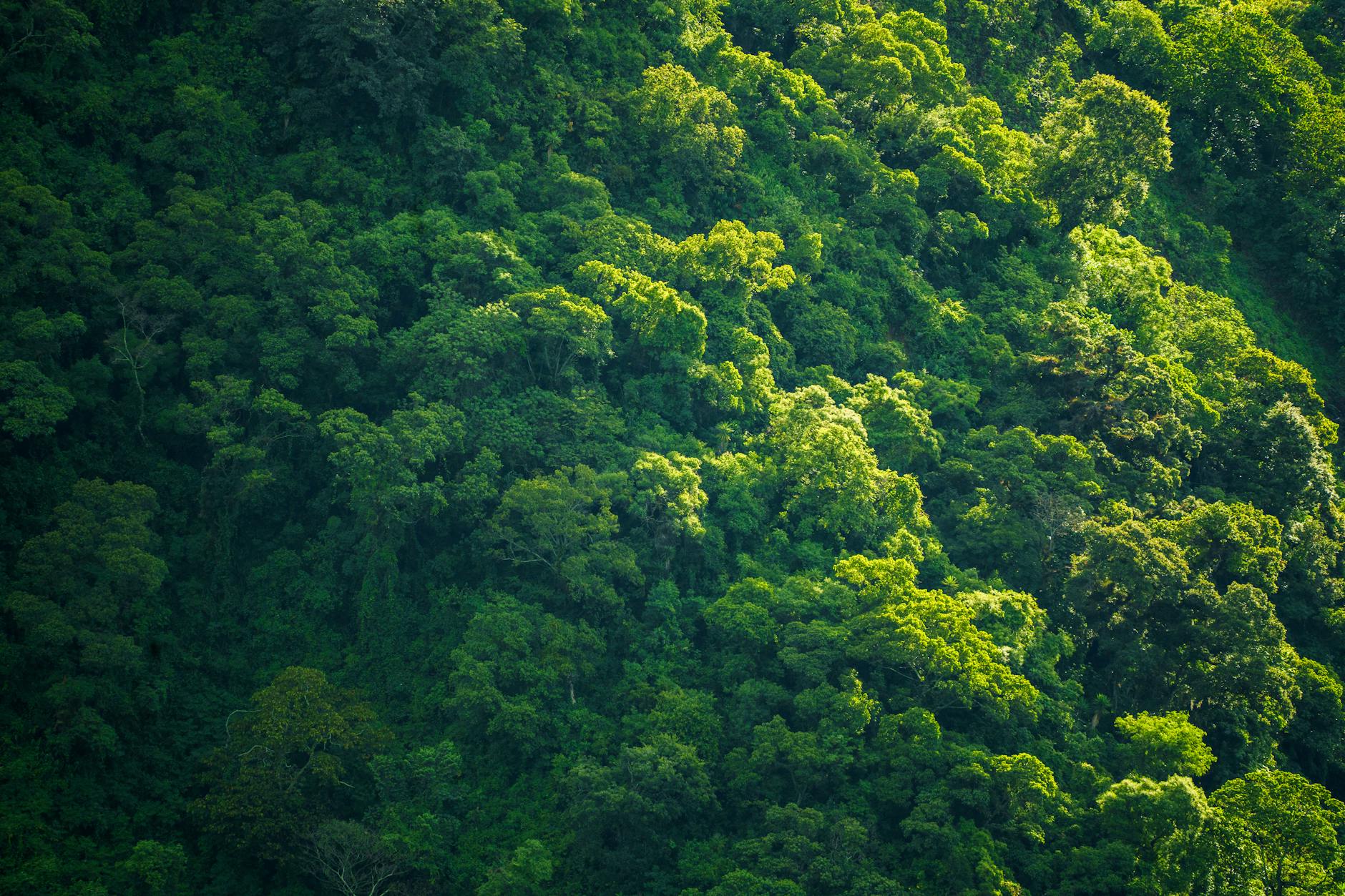

The Osa Peninsula holds roughly 2.5 percent of the world’s biodiversity on a landmass smaller than Rhode Island. That density pulls a particular kind of visitor – not the beach-resort crowd, but field researchers, conservation biologists, and doctoral candidates who now find themselves sleeping in the same lodges as paying guests.
Where Science and Hospitality Share a Roof
A growing number of ecotourism properties along the Osa’s Golfo Dulce coast have quietly repositioned themselves as dual-use facilities – part luxury nature lodge, part working research station. The arrangement is practical on both sides. Lodges gain scientific credibility that justifies premium pricing. Researchers gain access to private land that buffers Corcovado National Park, the kind of old-growth primary rainforest that is almost impossible to study from government-managed territory alone, where permitting backlogs can stretch years.
The model typically works like this: a lodge carves out a dedicated research wing or a set of utilitarian cabins adjacent to its guest quarters. Visiting scientists pay a reduced facility fee in exchange for agreeing to lead two or three naturalist walks per week for paying guests. The guests, most of whom have flown from North America or Europe specifically for wildlife encounters, get interpretive depth that a standard nature guide cannot replicate. A herpetologist cataloguing glass frogs at 2 a.m. is a very different tour leader than a local birding guide working a fixed trail – and guests consistently rate those encounters as the highlight of their stay.
Private reserves throughout the peninsula now hold monitoring stations for jaguars, tapirs, scarlet macaws, and several species of sea turtle. The data collected on lodge land is increasingly cited in peer-reviewed conservation literature, giving these properties a scientific footprint that extends well beyond hospitality. Some lodges have formalized this by partnering with universities in Costa Rica, the United States, and Germany, hosting graduate cohorts for two- to three-month field seasons during the wet season months when tourist volume naturally dips.
The economics reward this timing. The Osa’s wet season – roughly May through November – has historically been the dead period for bookings. Filling those cabins with researchers who need stable, dry workspace and reliable Wi-Fi for data uploads solves an occupancy problem while keeping permanent staff employed year-round. It is one of the more quietly effective revenue-smoothing strategies in ecotourism, and it requires almost no marketing budget because the academic pipeline brings its own referral network.
What the Collaboration Actually Looks Like on the Ground
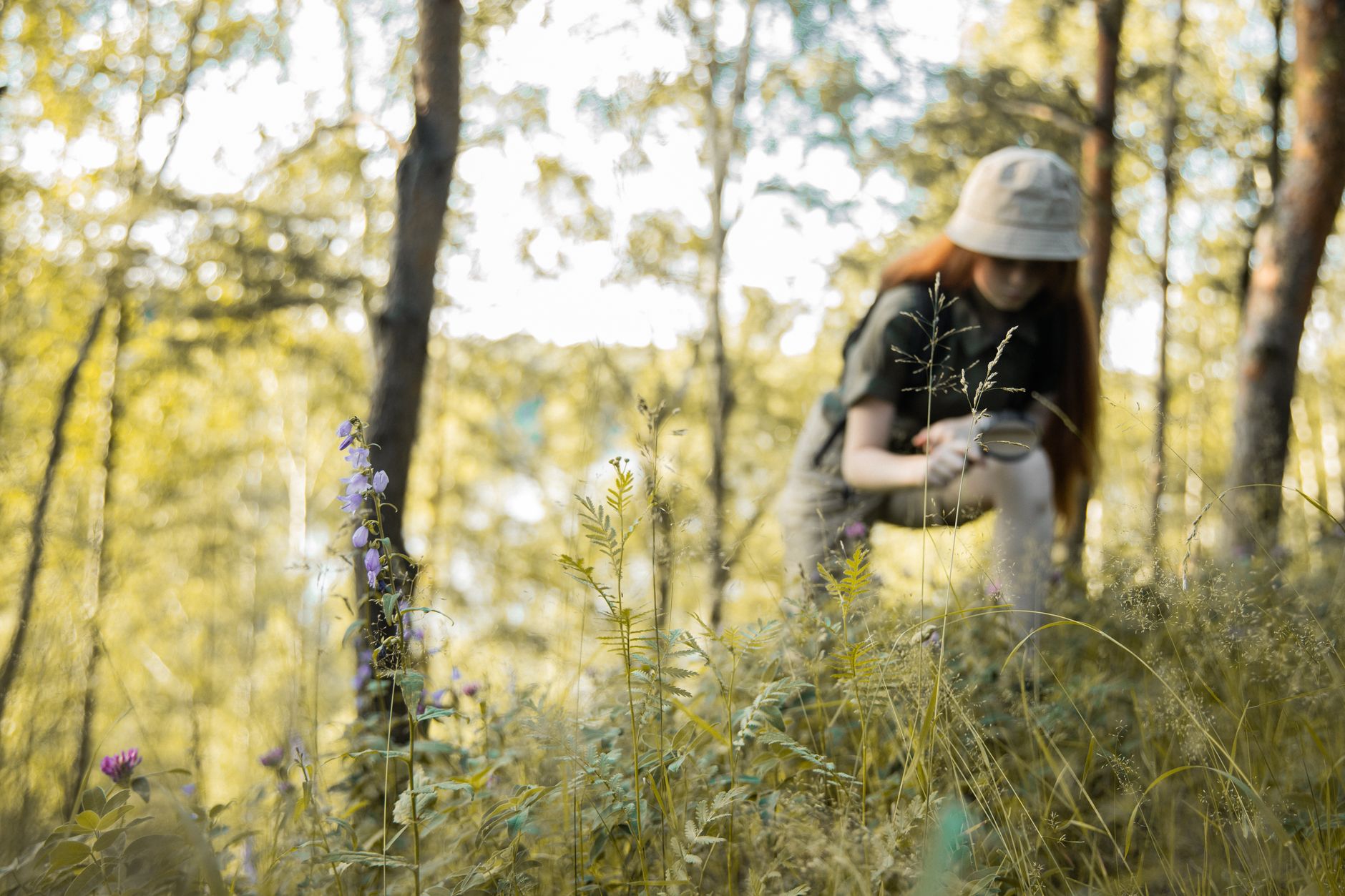
Guests who book a week at one of these properties will notice the difference from the moment they arrive. Whiteboards covered in species tallies appear in common dining areas. Camera trap memory cards sit in labeled envelopes on the front desk. A researcher might be sorting beetle specimens at a table next to someone eating breakfast after a dawn bird walk. The atmosphere is closer to a field station than a resort, which is exactly what a specific segment of traveler is now paying to experience.
Itineraries at research-integrated lodges are less scripted than at conventional nature resorts. Rather than rotating guests through fixed excursions – waterfall hike, kayak tour, cooking class – these properties build flexibility around what is actually happening in the forest. If a camera trap has recorded jaguar activity on a particular trail, that morning’s walk shifts accordingly. If a marine biologist is tagging dolphins in the gulf, guests with the right permits can observe from a research tender rather than a tourist boat. The spontaneity is a draw, not a liability.
The food system at many of these lodges has also adapted. Because researchers tend to stay longer than tourists, kitchens have moved toward locally sourced meal programs that work across weeks rather than just a few days. Relationships with small farms in the Palmar Norte and Puerto Jimenez areas have strengthened as a result, and some lodges now grow a portion of their own produce on cleared land that once threatened adjacent forest edge. It is an unglamorous detail, but it matters for the carbon accounting that conservation-minded guests increasingly scrutinize before booking.
Access to the peninsula shapes everything. The road into Puerto Jimenez from the Pan-American Highway is paved but punishing, and many lodges sit beyond that on dirt tracks that require four-wheel drive. Some properties are accessible only by boat from Sierpe or by small charter aircraft. That barrier filters the visitor base naturally – the guests who make the effort tend to be genuinely committed to the experience rather than treating it as a casual add-on to a San Jose city break. Lodges have found that this self-selection produces guests who follow protocols, stay quiet on forest trails, and generate fewer complaints than visitors at more accessible destinations.
The permit structure that governs research on and near Corcovado adds another layer of complexity. Costa Rica’s SINAC system, which manages protected areas, requires detailed project proposals before scientists can operate within national park boundaries. Private land adjacent to the park operates under different rules, which is part of why lodge-based research has expanded so quickly – a property owner can authorize scientific work on their land without navigating the same queue. The tradeoff is that data collected on private reserves does not always integrate smoothly into national monitoring databases, a gap that conservationists are actively working to close.
The Tension That Comes With Growth
Success in this niche creates its own complications. As the research-lodge model attracts attention, properties that lack genuine scientific partnerships have started marketing themselves with the same language – field station aesthetics, species lists on the website, vague mentions of conservation programs – without the actual infrastructure. A traveler booking based on the promise of a research-integrated stay and arriving at what amounts to a standard jungle lodge with a microscope on display is a different kind of disappointed than someone who simply had a bad meal. It damages the credibility of properties doing the work seriously.
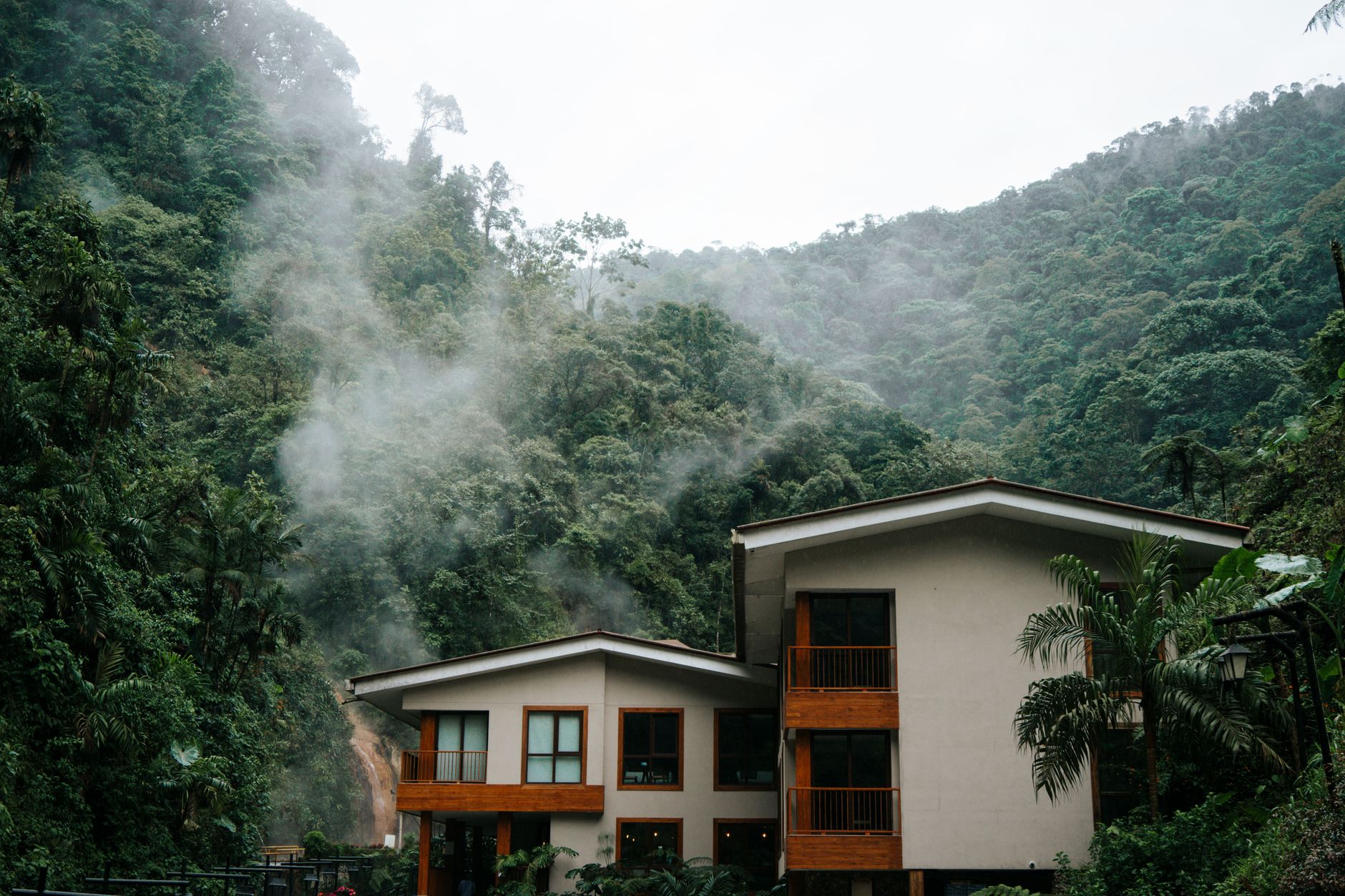
The more established lodges are aware of this and have started pursuing third-party verification through organizations that audit conservation claims rather than simply taking self-reported data. Whether that certification layer will become standard practice across the peninsula before the marketing gap widens further is an open question – one that matters as much to the researchers who depend on these facilities as to the guests who book them.
Frequently Asked Questions
What makes Osa Peninsula lodges different from standard ecotourism resorts?
Many Osa Peninsula properties operate as dual-use facilities, hosting field researchers alongside paying guests and offering itineraries shaped by active scientific work rather than fixed excursion schedules.
When is the best time to visit research-integrated lodges on the Osa Peninsula?
The dry season from December through April is peak tourist season, but some lodges offer a richer scientific atmosphere during the wet season when university research cohorts are in residence.