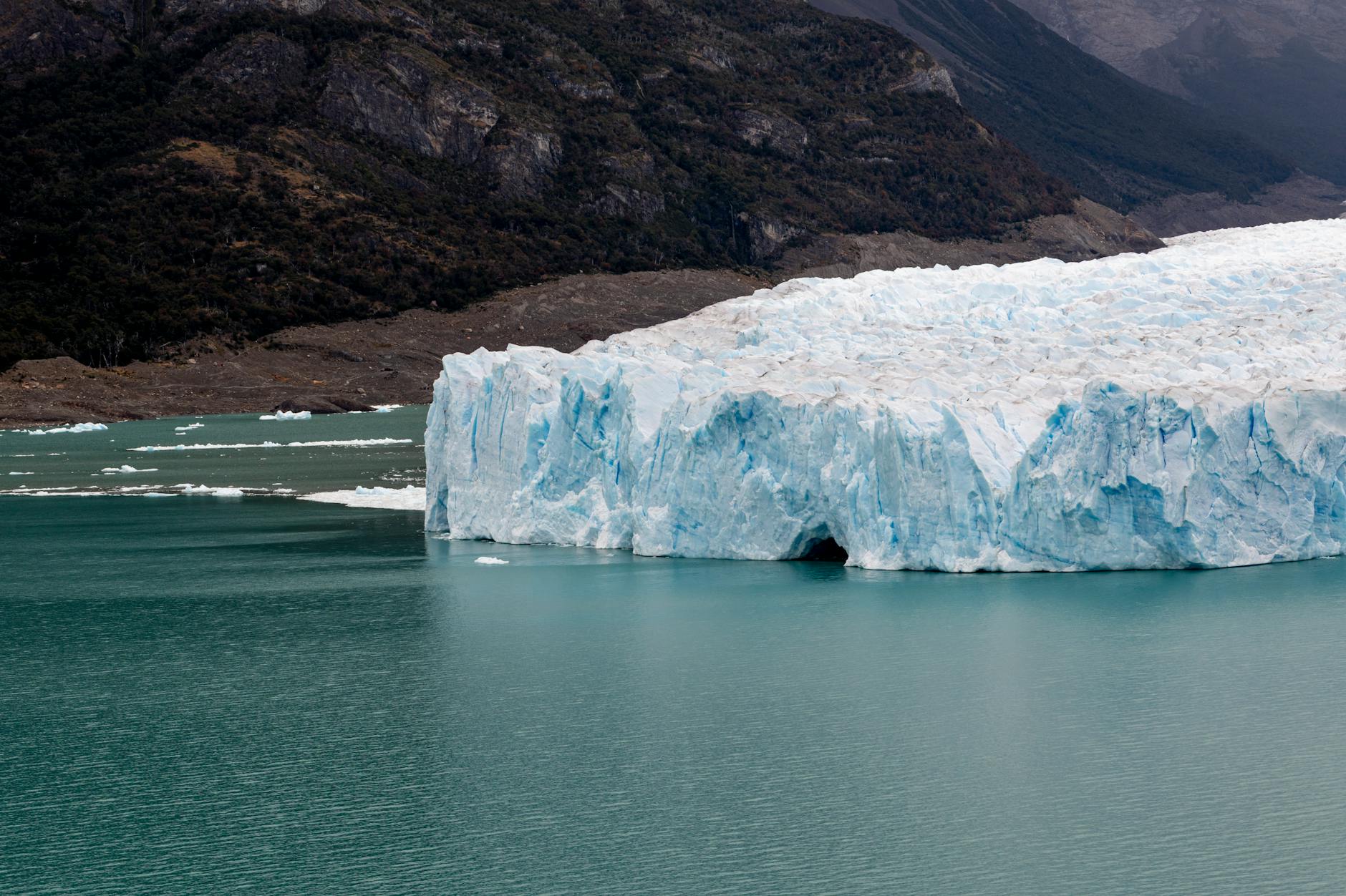

Glaciers at the Edge of the World, Now With a Place to Sleep
Los Glaciares National Park in Argentine Patagonia has long been the kind of place that humbles even seasoned travelers. Spanning more than 700,000 hectares across the Andes borderlands of Santa Cruz province, it holds the Southern Patagonian Ice Field – the largest continental ice mass outside the polar regions. Until recently, accessing its most remote corridors meant multi-day trekking with everything on your back, or turning around before you ever reached the good part.
That is changing. A series of remote basecamp lodges – small, fixed-structure camps built to strict environmental guidelines within the park’s buffer zones – are now opening to travelers seeking extended access to areas that were previously the domain of mountaineers and park rangers. These are not luxury eco-resorts with infinity pools. They are purpose-built shelters designed to keep people in the field longer, safely, without compromising the landscape that makes the whole trip worth attempting.
The timing matters, because the window to experience this terrain is narrowing.
What the New Basecamps Actually Offer
The lodges are positioned at strategic intervals along routes that branch away from the heavily trafficked corridors near El Chalten and Lago Argentino. Think four to eight beds per structure, composting systems, solar-powered lighting, and guide stations stocked with emergency gear and weather monitoring equipment. They are staging points, not destinations – places to rest, rehydrate, review maps, and push further the next morning.
Access still requires physical effort. Most basecamps sit between six and twelve kilometers from the nearest vehicle road, reached by marked trail or, in some cases, by water crossing. The Argentine national parks authority, Administracion de Parques Nacionales, has been involved in the permitting and site approval process, which means each location was assessed for ecological impact before construction began. That includes restrictions on how close any structure can be built to glacier runoff channels and nesting zones for the Andean condor, which nests in the park’s cliff faces.
Capacity is deliberately small. Groups are capped to limit compaction on the surrounding terrain, and no single camp is designed to feel like an outpost village. The goal is invisibility from a distance – these structures are meant to disappear into the rock and scrub rather than announce themselves. One operator working in the area described the design brief simply: build what you need, nothing you don’t.
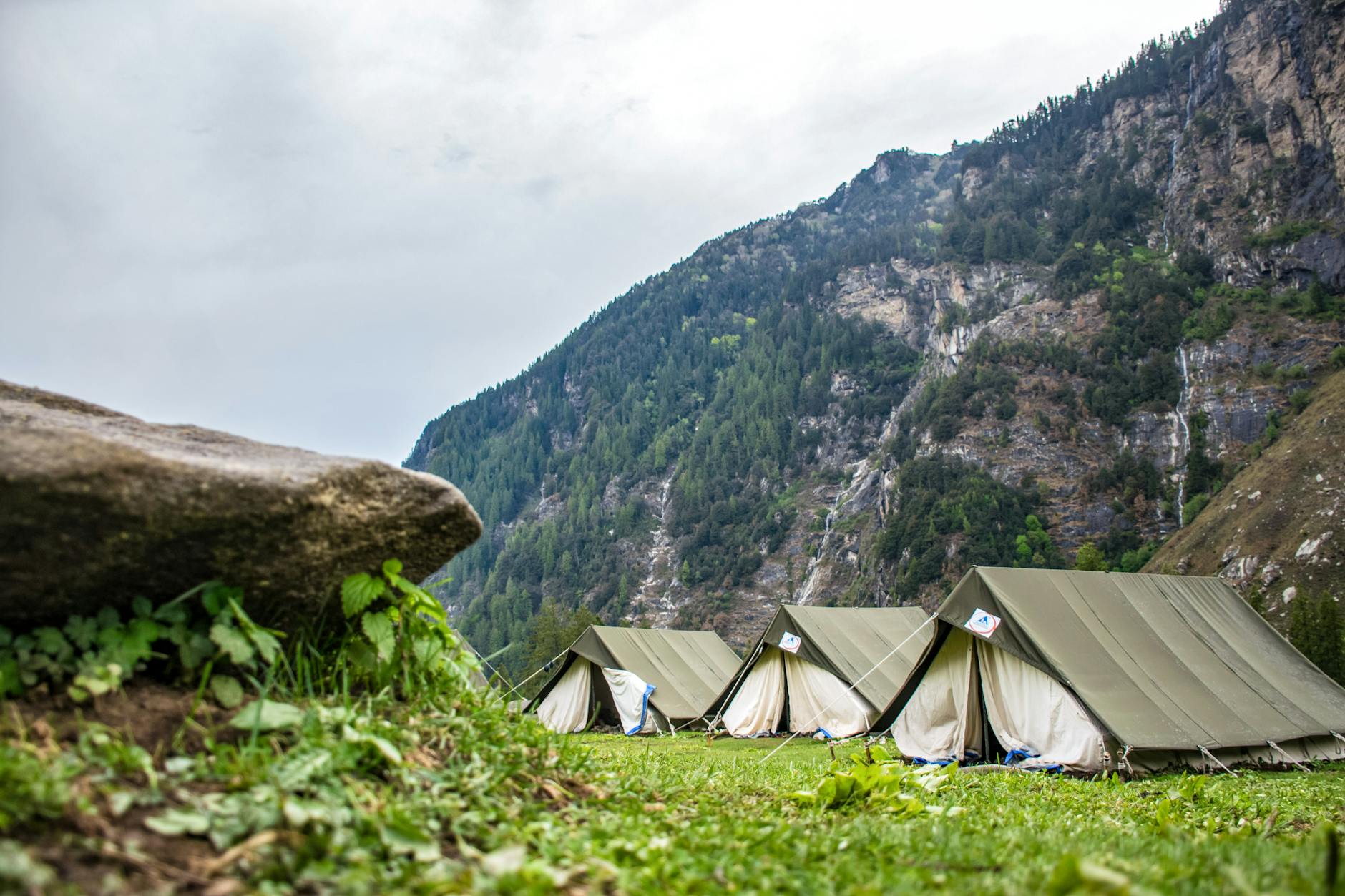
Why This Changes the Visitor Experience
For travelers who have always wanted to spend serious time in Los Glaciares but couldn’t commit to a full expedition-style trip, the basecamp model opens a real middle ground. You no longer have to choose between a day hike from El Chalten and a two-week mountaineering permit. A four or five night basecamp itinerary, guided or self-guided with ranger check-ins, puts terrain like the Marconi Pass glacier approach or the less-visited southern arm of Lago Viedma within reach of people who are fit and motivated but not technically trained.
The experience of staying overnight in the park’s interior is qualitatively different from anything a day visit offers. Dawn light on the Fitz Roy massif from a ridgeline camp, without another person in sight, is the kind of thing that changes how someone thinks about what travel can be. Condors ride thermals overhead in the early morning. The glacier ice groans and shifts at night. Weather rolls in from the Pacific with almost no warning, turning a clear afternoon into a full whiteout in under an hour – and being in a basecamp when that happens, rather than racing back to a trailhead, gives you a front-row seat to the park’s actual personality.
Guides working these routes are already reporting that multi-night basecamp bookings are filling faster than single-day excursion slots, which tells you something about where traveler appetite is right now. People are not just visiting Patagonia – they are trying to live inside it, if only for a few days.
Practical Realities Before You Book
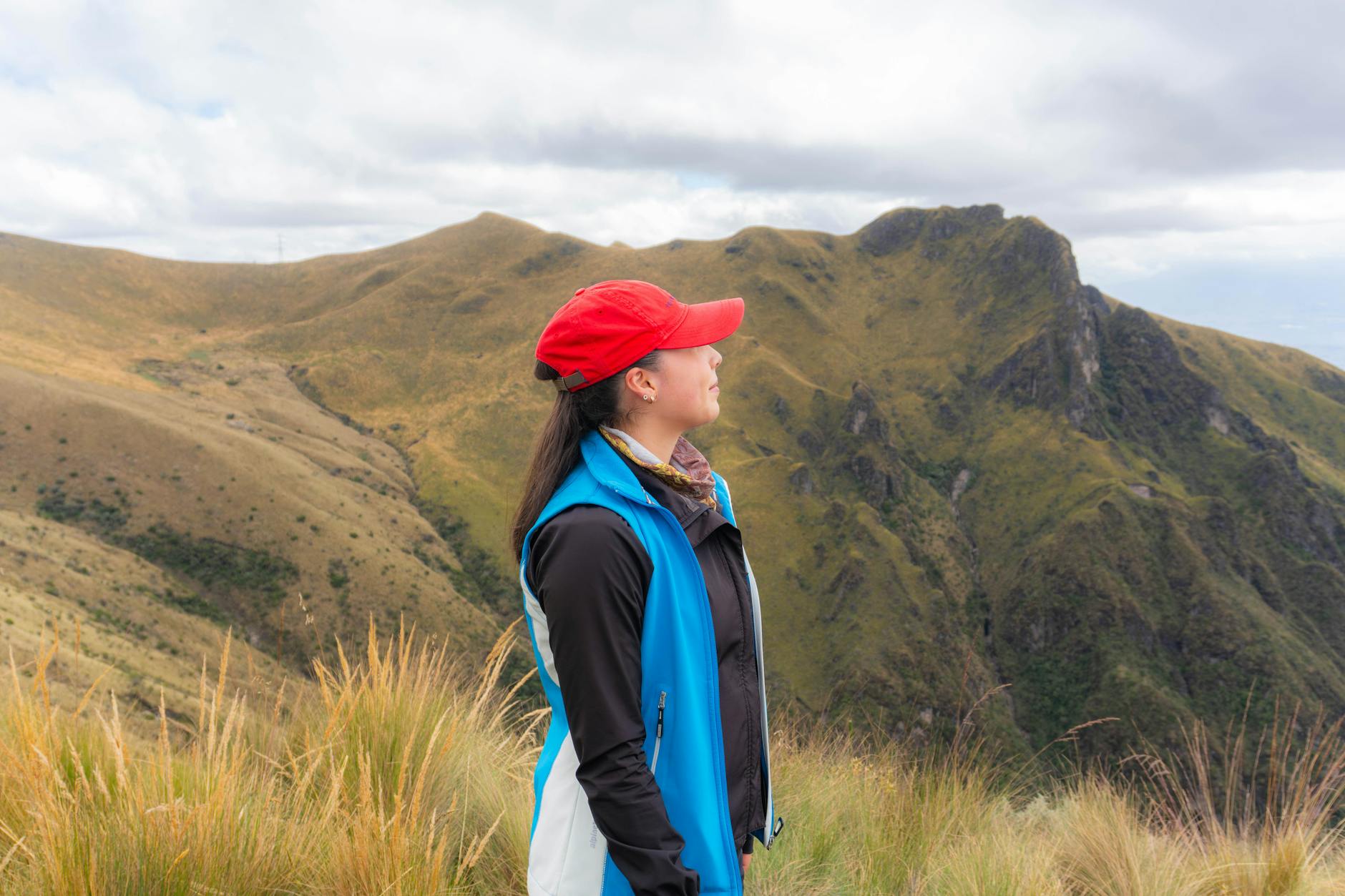
Los Glaciares is a UNESCO World Heritage Site, and Argentine Patagonia’s weather is notoriously indifferent to travel plans. The trekking season runs roughly from November through March, with January and February offering the most stable conditions. Flights route through Buenos Aires or Bariloche to the nearest regional airport at El Calafate, about 220 kilometers from El Chalten. Basecamp reservations are currently limited and require advance coordination with certified operators holding park concessions – walk-in access to these structures is not permitted. If you are considering this for the 2025-2026 season, the booking window is already open, and the camps closest to the Fitz Roy sector are reported to be nearing capacity for the peak weeks.